Birdr

Black-faced Bunting vs Lark Sparrow

Emberiza spodocephala versus Chondestes grammacus

Play a quiz with Black-faced Bunting and Lark Sparrow
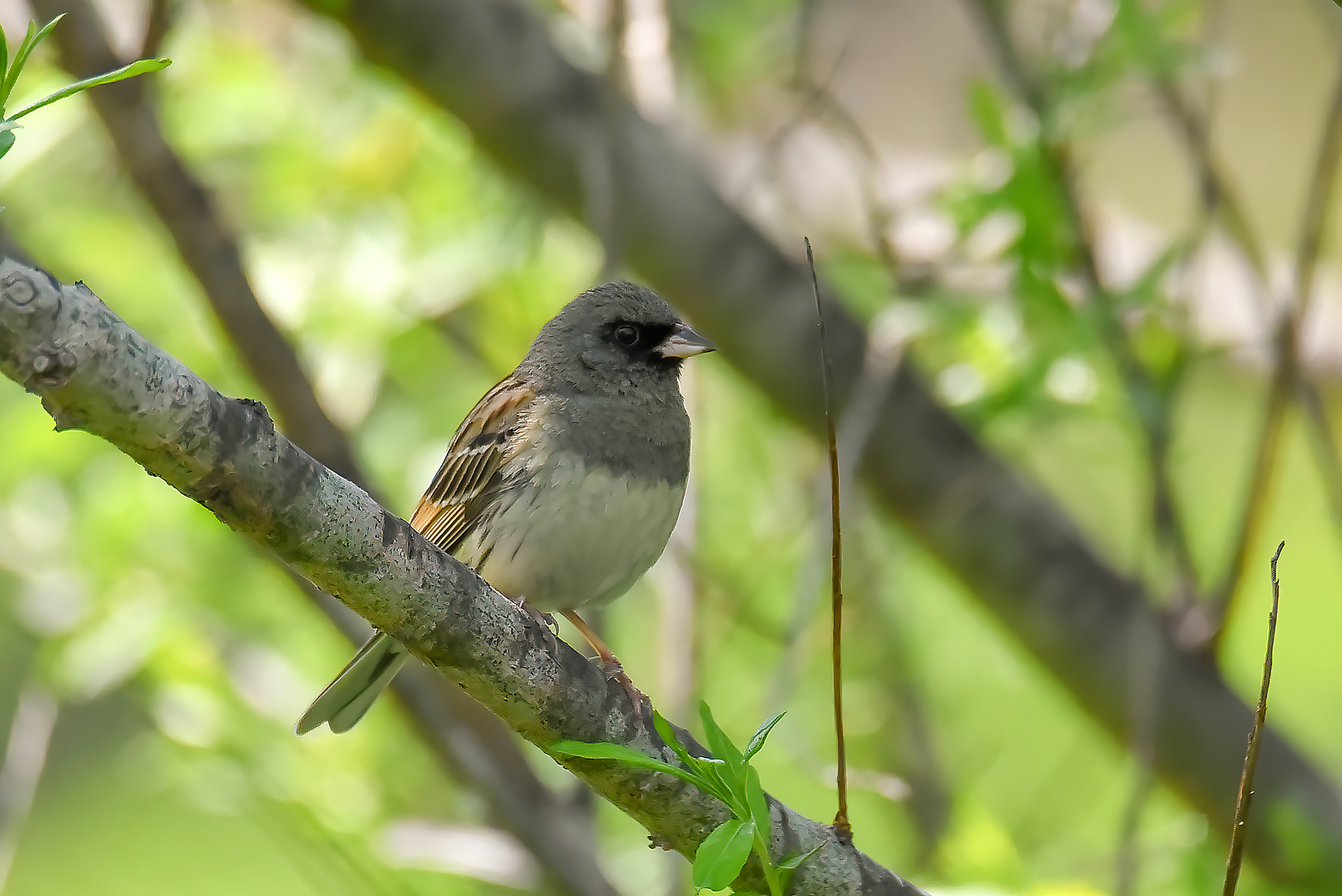
Black-faced Bunting (Emberiza spodocephala) Black-faced Bunting
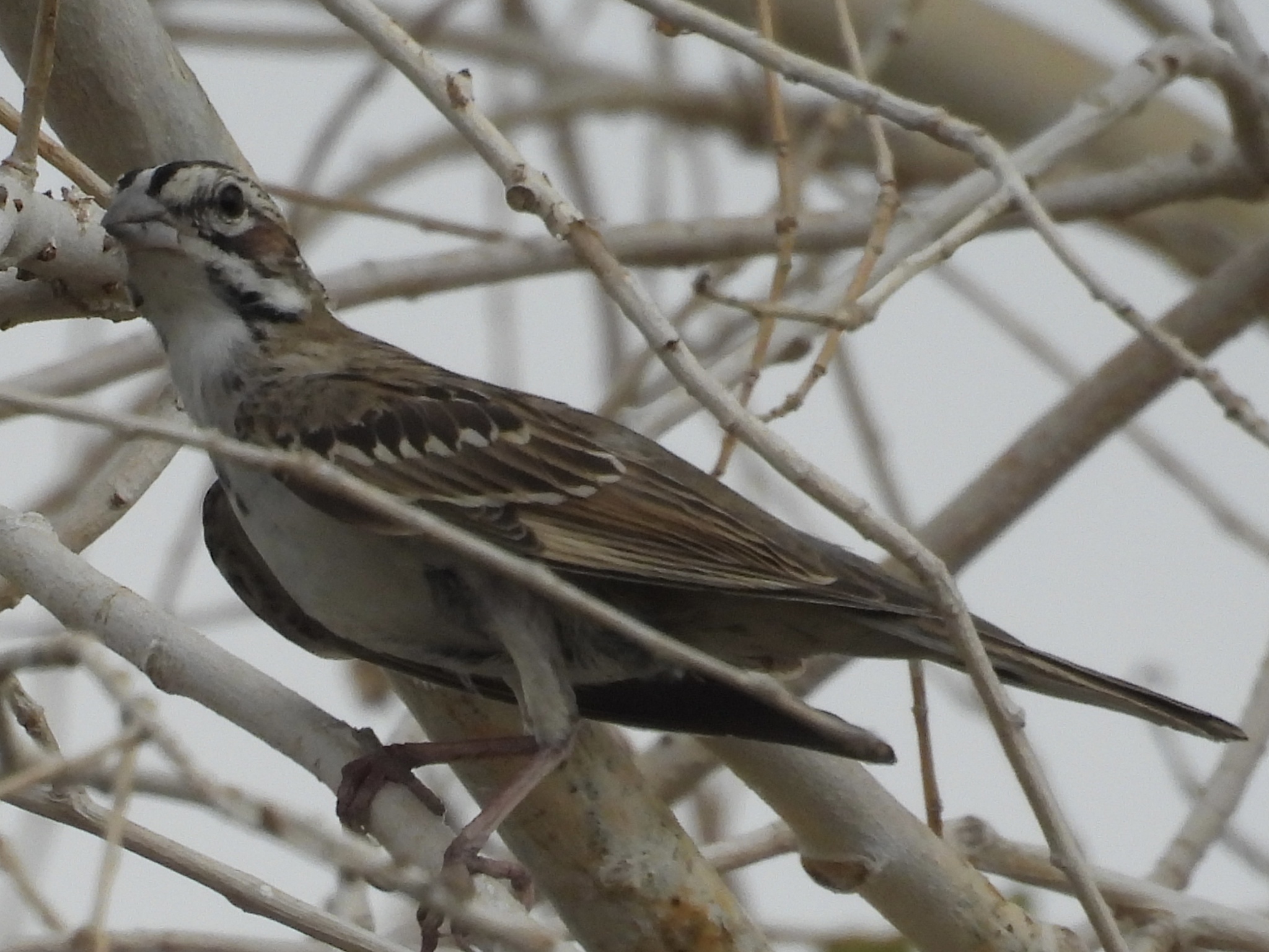
Lark Sparrow (Chondestes grammacus) Lark Sparrow

Media

Loading…

In short

The Black-faced Bunting and Lark Sparrow differ significantly in appearance and habitat preference. The Black-faced Bunting has a streaked appearance with a slight bill, while the Lark Sparrow is known for its distinctive facial pattern and preference for open, edge habitats.

Identification tips

1. Bill Shape: Black-faced Bunting has a slight bill, while Lark Sparrow has a more robust bill. 2. Facial Pattern: Look for the bold facial pattern of the Lark Sparrow. 3. Streaking: Black-faced Bunting is heavily streaked, unlike the Lark Sparrow. 4. Habitat: Consider the habitat; Lark Sparrows prefer open areas, while Black-faced Buntings are found in more wooded regions.

Size

The Lark Sparrow is generally larger and more robust than the Black-faced Bunting.

Plumage

The Black-faced Bunting has a gray head and breast with rich brown upperparts and broad black streaking, while the Lark Sparrow features a striking facial pattern with a bold black eye line and chestnut crown stripes. The Lark Sparrow lacks the extensive streaking found on the Black-faced Bunting.

Behaviour

Lark Sparrows exhibit unique behaviors such as passing a twig during copulation and using abandoned nests. Black-faced Buntings do not display these behaviors.

Habitat

Black-faced Buntings are found in eastern and southern China, Taiwan, and northern Indochina, preferring more wooded or shrubby areas. Lark Sparrows prefer open, edge habitats like grasslands and shrublands in North America.

Voice

Vocalizations are not detailed in the provided notes, but generally, Lark Sparrows have a distinctive song that differs from the typical bunting calls.

Submit a better description

Use the same sections as the comparison. Your text is published immediately.

The Black-faced Bunting and Lark Sparrow differ significantly in appearance and habitat preference. The Black-faced Bunting has a streaked appearance with a slight bill, while the Lark Sparrow is known for its distinctive facial pattern and preference for open, edge habitats.

1. Bill Shape: Black-faced Bunting has a slight bill, while Lark Sparrow has a more robust bill. 2. Facial Pattern: Look for the bold facial pattern of the Lark Sparrow. 3. Streaking: Black-faced Bunting is heavily streaked, unlike the Lark Sparrow. 4. Habitat: Consider the habitat; Lark Sparrows prefer open areas, while Black-faced Buntings are found in more wooded regions.

The Lark Sparrow is generally larger and more robust than the Black-faced Bunting.

The Black-faced Bunting has a gray head and breast with rich brown upperparts and broad black streaking, while the Lark Sparrow features a striking facial pattern with a bold black eye line and chestnut crown stripes. The Lark Sparrow lacks the extensive streaking found on the Black-faced Bunting.

Lark Sparrows exhibit unique behaviors such as passing a twig during copulation and using abandoned nests. Black-faced Buntings do not display these behaviors.

Black-faced Buntings are found in eastern and southern China, Taiwan, and northern Indochina, preferring more wooded or shrubby areas. Lark Sparrows prefer open, edge habitats like grasslands and shrublands in North America.

Vocalizations are not detailed in the provided notes, but generally, Lark Sparrows have a distinctive song that differs from the typical bunting calls.

Discard your changes?

You have unsaved edits. If you leave now, those changes will be lost.

Black-faced Bunting · Lark Sparrow · My Tricky Birds