
Black-headed Gull vs White-faced Storm-Petrel
Chroicocephalus ridibundus versus Pelagodroma marina
Play a quiz with Black-headed Gull and White-faced Storm-Petrel
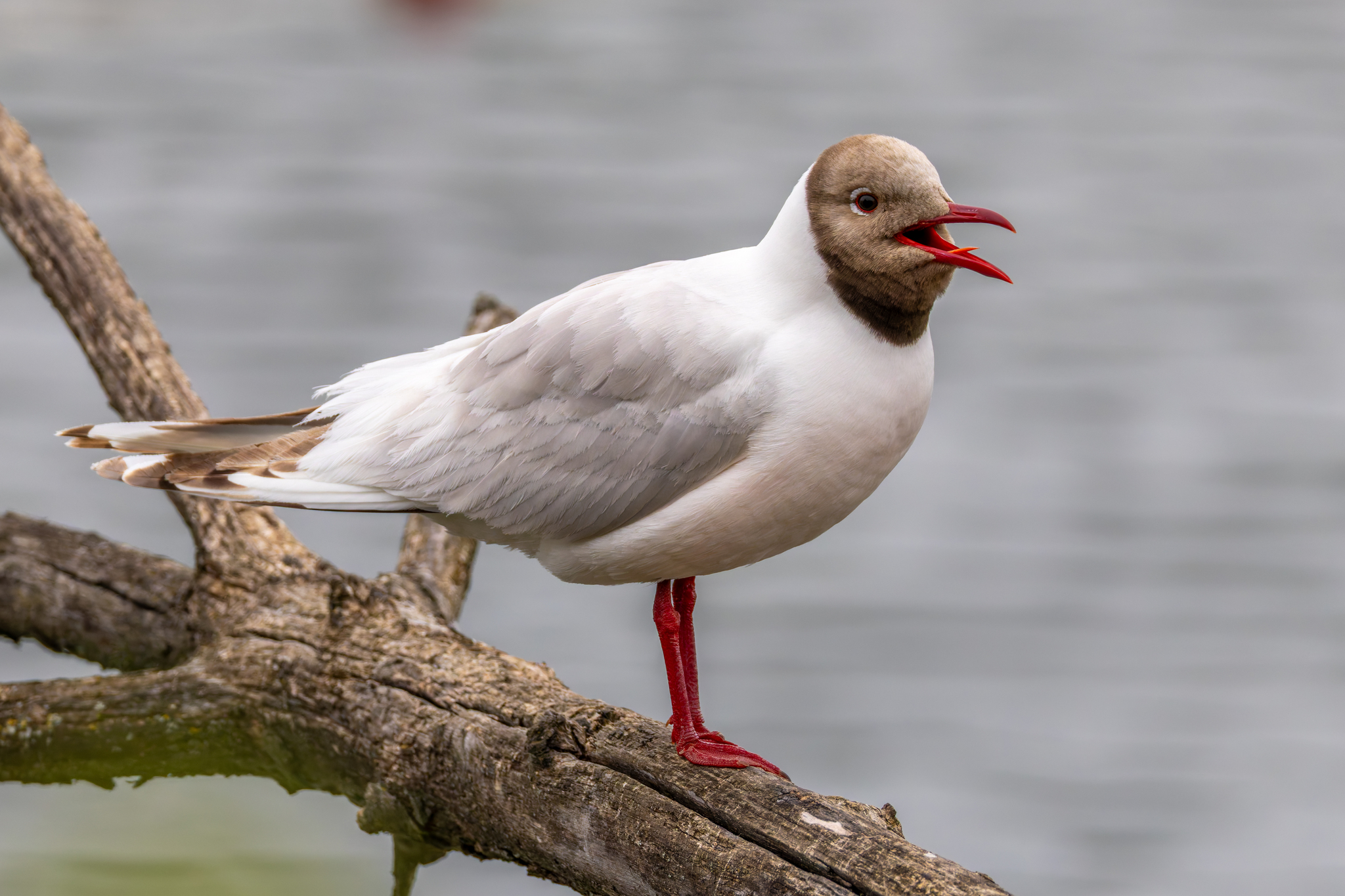 Black-headed Gull
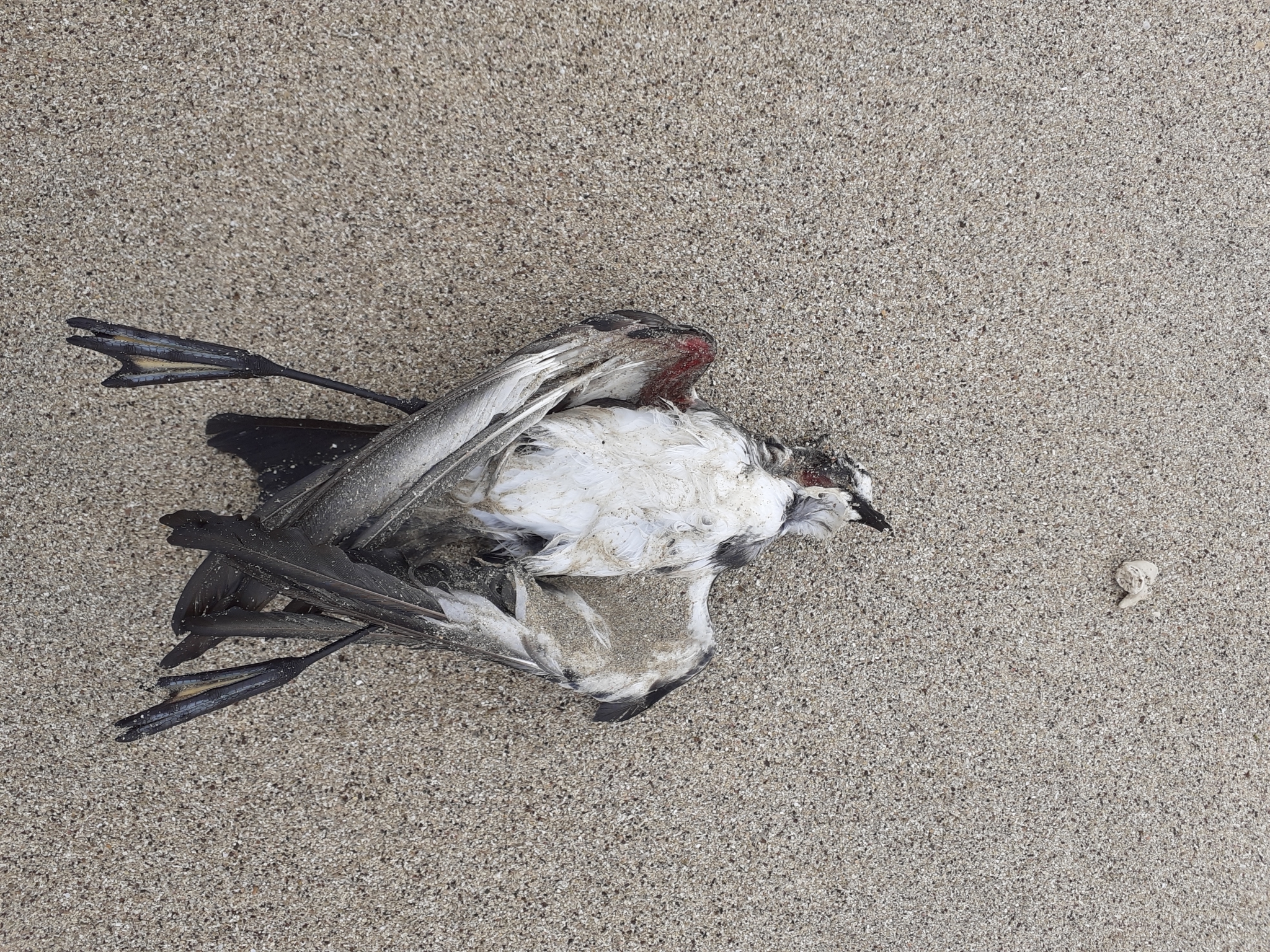 White-faced Storm-Petrel
In short
The Black-headed Gull and White-faced Storm-Petrel are distinct in both appearance and behavior. The gull is a familiar sight near coasts and inland waters, while the storm-petrel is a pelagic species known for its unique flight pattern at sea. Key differences include head markings and flight style.
Identification tips
- Head markings: Look for the dark chocolate-brown head of the Black-headed Gull in breeding season versus the white head with a dark cap of the White-faced Storm-Petrel.
- Flight style: Observe the flight; Black-headed Gulls have a more typical gull flight, while White-faced Storm-Petrels have a unique bounding flight.
- Habitat: Consider the location; Black-headed Gulls are often near land, whereas White-faced Storm-Petrels are seen offshore.
Size
The Black-headed Gull is larger and more robust compared to the smaller, more delicate White-faced Storm-Petrel.
Plumage
The Black-headed Gull has a dark chocolate-brown head in breeding plumage (white in winter), pale gray upperparts, and white underparts. The White-faced Storm-Petrel has a white head with a dark cap and eye patch, brown upperparts, and white underparts.
Behaviour
Black-headed Gulls are often seen in flocks, foraging on land or water. In contrast, White-faced Storm-Petrels exhibit a distinctive 'pogo-stick' flight, bounding low over the water and using their feet to push off the surface.
Habitat
Black-headed Gulls are found near coasts, estuaries, and inland waters. White-faced Storm-Petrels are pelagic, typically seen far offshore and breeding on remote islands.
Voice
Black-headed Gulls are known for their loud, harsh calls. The White-faced Storm-Petrel is generally silent at sea, with vocalizations primarily heard at breeding colonies.
Black-headed Gull · White-faced Storm-Petrel · My Tricky Birds