Birdr

Black Lark vs Woodlark

Melanocorypha yeltoniensis versus Lullula arborea

Play a quiz with Black Lark and Woodlark
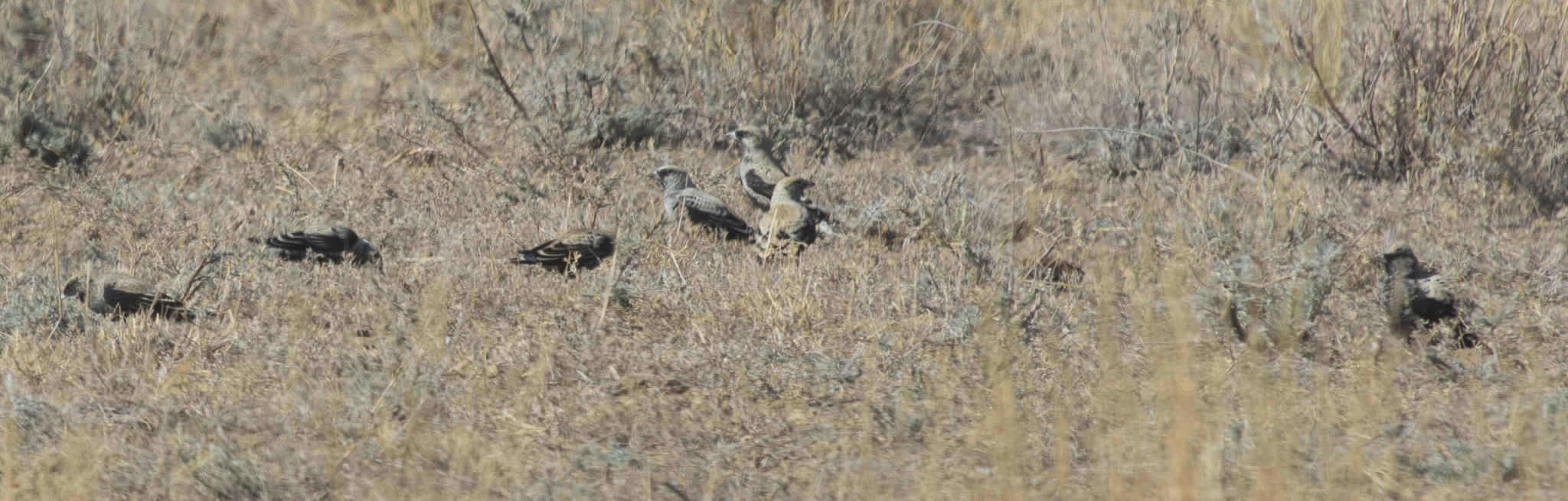
Black Lark (Melanocorypha yeltoniensis) Black Lark
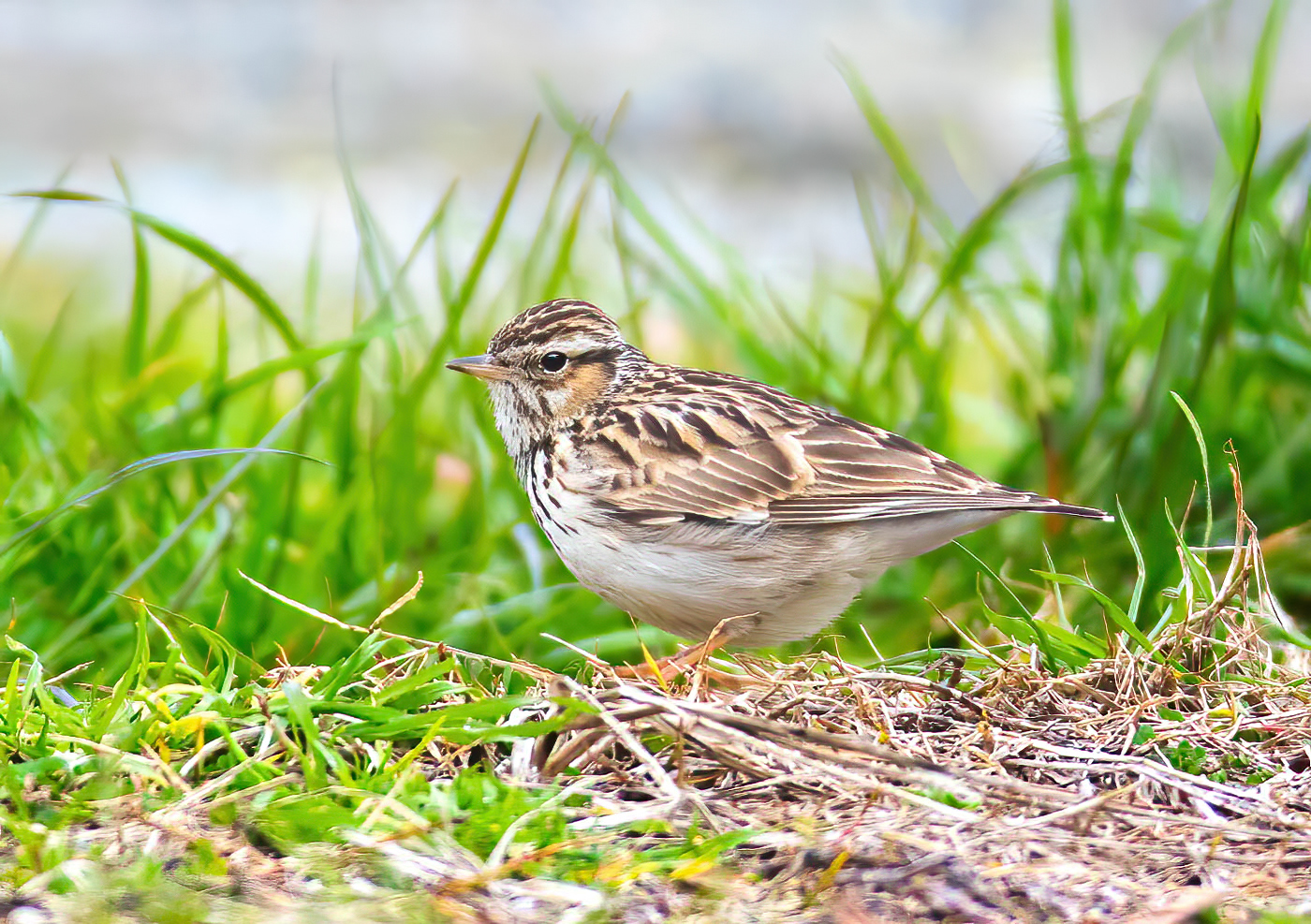
Woodlark (Lullula arborea) Woodlark

Media

Loading…

In short

The Black Lark and Woodlark are both larks but differ significantly in appearance and habitat. The Black Lark is larger and predominantly black, while the Woodlark is smaller with a distinctive white supercilium and brown streaked plumage. Habitat preferences also differ, with Black Larks favoring open steppes and Woodlarks preferring wooded areas.

Identification tips

  1. Size and shape: Note the larger size and bulkier shape of the Black Lark. 2. Plumage: Look for the black coloration of the Black Lark versus the brown and white streaked appearance of the Woodlark. 3. Supercilium: The Woodlark has a clear white supercilium, absent in the Black Lark. 4. Habitat: Consider the habitat; open steppes suggest Black Lark, while wooded areas suggest Woodlark. 5. Song: Listen for the Woodlark's fluty song, which is a reliable identifier.

Size

The Black Lark is larger and more robust than the Woodlark.

Plumage

Black Larks are mostly black with some white in the wings, whereas Woodlarks have a brown, streaked plumage with a prominent white supercilium.

Behaviour

Black Larks often form flocks, especially outside the breeding season, while Woodlarks are more solitary or found in pairs.

Habitat

Black Larks inhabit open steppes and grasslands, while Woodlarks are found in open woodlands and heathlands.

Voice

Woodlarks have a melodious, fluty song that is quite distinct from the Black Lark's simpler calls.

Submit a better description

Use the same sections as the comparison. Your text is published immediately.

The Black Lark and Woodlark are both larks but differ significantly in appearance and habitat. The Black Lark is larger and predominantly black, while the Woodlark is smaller with a distinctive white supercilium and brown streaked plumage. Habitat preferences also differ, with Black Larks favoring open steppes and Woodlarks preferring wooded areas.

  1. Size and shape: Note the larger size and bulkier shape of the Black Lark. 2. Plumage: Look for the black coloration of the Black Lark versus the brown and white streaked appearance of the Woodlark. 3. Supercilium: The Woodlark has a clear white supercilium, absent in the Black Lark. 4. Habitat: Consider the habitat; open steppes suggest Black Lark, while wooded areas suggest Woodlark. 5. Song: Listen for the Woodlark's fluty song, which is a reliable identifier.

The Black Lark is larger and more robust than the Woodlark.

Black Larks are mostly black with some white in the wings, whereas Woodlarks have a brown, streaked plumage with a prominent white supercilium.

Black Larks often form flocks, especially outside the breeding season, while Woodlarks are more solitary or found in pairs.

Black Larks inhabit open steppes and grasslands, while Woodlarks are found in open woodlands and heathlands.

Woodlarks have a melodious, fluty song that is quite distinct from the Black Lark's simpler calls.

Discard your changes?

You have unsaved edits. If you leave now, those changes will be lost.

Black Lark · Woodlark · My Tricky Birds