Birdr

Black Scoter vs Black-necked Stilt

Melanitta americana versus Himantopus mexicanus

Play a quiz with Black Scoter and Black-necked Stilt
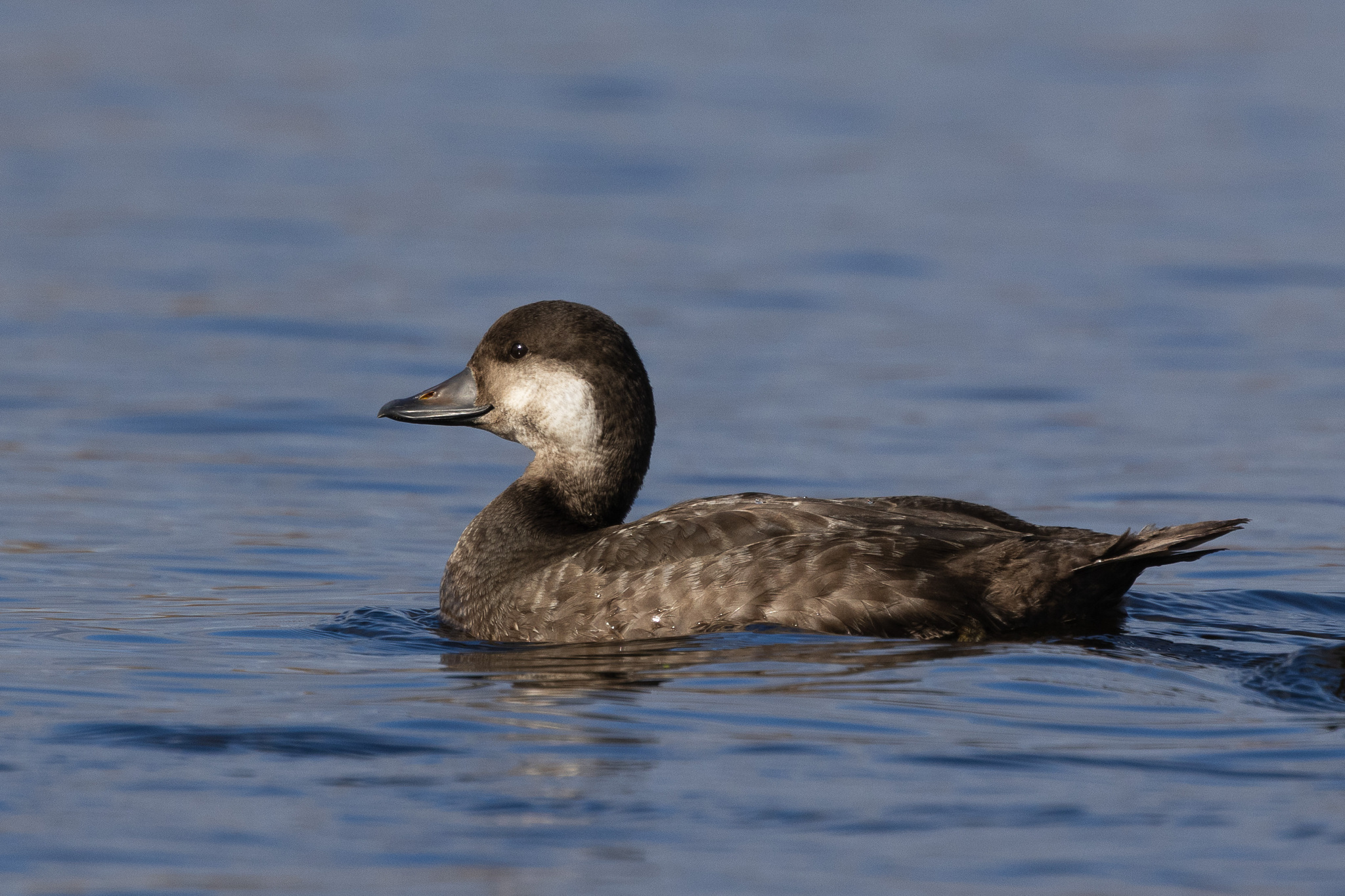
Black Scoter (Melanitta americana) Black Scoter
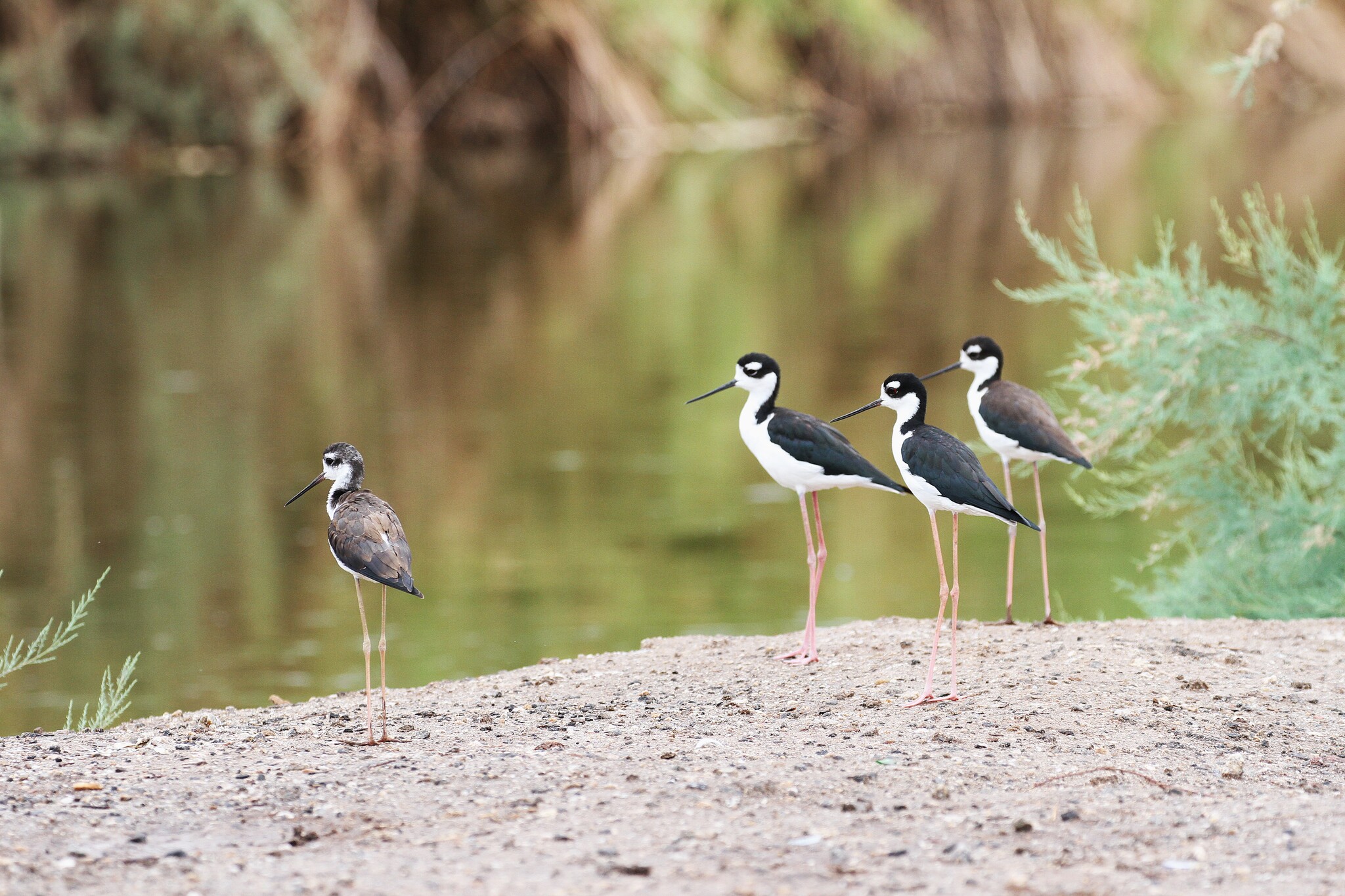
Black-necked Stilt (Himantopus mexicanus) Black-necked Stilt

Media

Loading…

In short

The Black Scoter and Black-necked Stilt are easily distinguishable by their habitats and physical appearance. Black Scoters are sea ducks with dark plumage, while Black-necked Stilts are waders with striking black-and-white coloration and long pink legs.

Identification tips

1. Look for the habitat: Black Scoters are in coastal waters, while Black-necked Stilts are in wetlands. 2. Note the leg color: Black-necked Stilts have long pink legs, unlike the short legs of Black Scoters. 3. Observe plumage: Black Scoters are uniformly dark; Black-necked Stilts have a stark black-and-white pattern. 4. Listen for calls: Black Scoters whistle, while Black-necked Stilts have a sharp 'kek' call.

Size

Black Scoters are medium-sized sea ducks, while Black-necked Stilts are slender waders with long legs.

Plumage

Black Scoters have dark brown to black plumage with a contrasting light cheek in females. Black-necked Stilts have a distinctive black-and-white pattern with a black back and white underparts, and their long pink legs are a key feature.

Behaviour

Black Scoters are often found in large, monospecific flocks, especially during molting. Black-necked Stilts are less gregarious, often seen in pairs or small groups, and are known for their conspicuous antipredator displays.

Habitat

Black Scoters are typically found in shallow coastal waters, especially in winter. Black-necked Stilts inhabit lowland coastal wetlands and are often seen in shallow freshwater or brackish environments.

Voice

Black Scoters are known for the mellow, plaintive whistling sound of the males. Black-necked Stilts have a high-pitched, sharp call, often described as a 'kek-kek-kek'.

Submit a better description

Use the same sections as the comparison. Your text is published immediately.

The Black Scoter and Black-necked Stilt are easily distinguishable by their habitats and physical appearance. Black Scoters are sea ducks with dark plumage, while Black-necked Stilts are waders with striking black-and-white coloration and long pink legs.

1. Look for the habitat: Black Scoters are in coastal waters, while Black-necked Stilts are in wetlands. 2. Note the leg color: Black-necked Stilts have long pink legs, unlike the short legs of Black Scoters. 3. Observe plumage: Black Scoters are uniformly dark; Black-necked Stilts have a stark black-and-white pattern. 4. Listen for calls: Black Scoters whistle, while Black-necked Stilts have a sharp 'kek' call.

Black Scoters are medium-sized sea ducks, while Black-necked Stilts are slender waders with long legs.

Black Scoters have dark brown to black plumage with a contrasting light cheek in females. Black-necked Stilts have a distinctive black-and-white pattern with a black back and white underparts, and their long pink legs are a key feature.

Black Scoters are often found in large, monospecific flocks, especially during molting. Black-necked Stilts are less gregarious, often seen in pairs or small groups, and are known for their conspicuous antipredator displays.

Black Scoters are typically found in shallow coastal waters, especially in winter. Black-necked Stilts inhabit lowland coastal wetlands and are often seen in shallow freshwater or brackish environments.

Black Scoters are known for the mellow, plaintive whistling sound of the males. Black-necked Stilts have a high-pitched, sharp call, often described as a 'kek-kek-kek'.

Discard your changes?

You have unsaved edits. If you leave now, those changes will be lost.

Black Scoter · Black-necked Stilt · My Tricky Birds