Birdr

Black Swan vs Ruddy Turnstone

Cygnus atratus versus Arenaria interpres

Play a quiz with Black Swan and Ruddy Turnstone
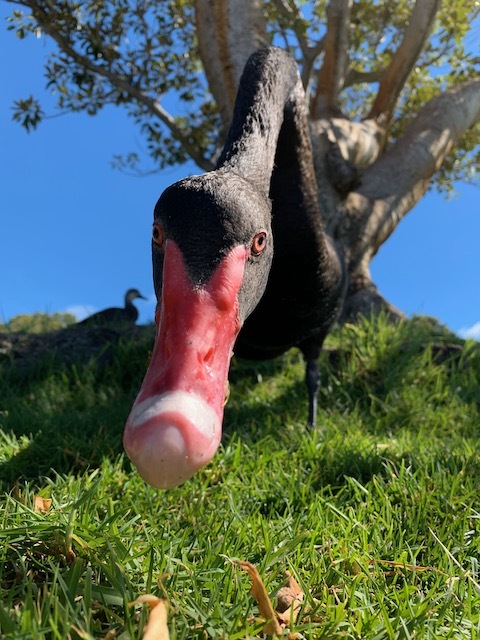
Black Swan (Cygnus atratus) Black Swan
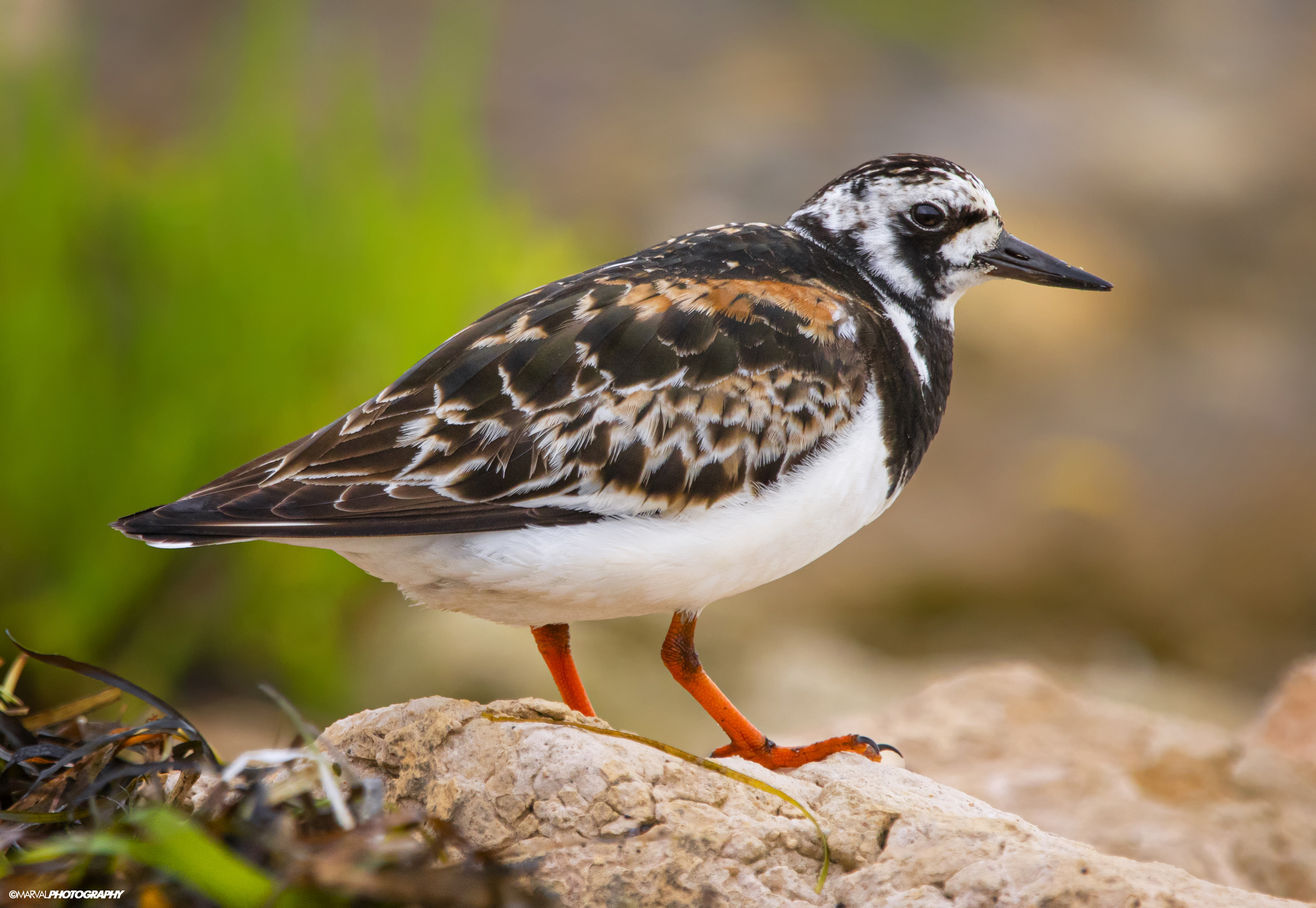
Ruddy Turnstone (Arenaria interpres) Ruddy Turnstone

Media

Loading…

In short

The Black Swan and Ruddy Turnstone are easily distinguished by their size and habitat preferences. Black Swans are large, entirely black waterfowl with red bills, while Ruddy Turnstones are small, patterned shorebirds with distinctive orange legs.

Identification tips

Look for the large size and all-black plumage with a red bill to identify a Black Swan. For Ruddy Turnstones, note the smaller size, orange legs, and the distinctive black and white facial pattern. Observe the habitat: swans on freshwater bodies and turnstones on coastal shores.

Size

Black Swans are significantly larger than Ruddy Turnstones, with a wingspan that can exceed 2 meters, compared to the turnstone's compact size and wingspan of about 50 cm.

Plumage

Black Swans are uniformly black with a striking red bill, while Ruddy Turnstones have a mottled brown and white plumage with a distinctive black and white pattern on the face and chest, and bright orange legs.

Behaviour

Black Swans are often seen gliding gracefully on water, while Ruddy Turnstones are active foragers, flipping over stones and debris along shorelines.

Habitat

Black Swans are typically found in freshwater lakes, rivers, and wetlands, whereas Ruddy Turnstones inhabit coastal areas, especially rocky shores and mudflats.

Voice

Black Swans produce a musical bugling or trumpeting sound, whereas Ruddy Turnstones have a sharp, rattling call.

Submit a better description

Use the same sections as the comparison. Your text is published immediately.

The Black Swan and Ruddy Turnstone are easily distinguished by their size and habitat preferences. Black Swans are large, entirely black waterfowl with red bills, while Ruddy Turnstones are small, patterned shorebirds with distinctive orange legs.

Look for the large size and all-black plumage with a red bill to identify a Black Swan. For Ruddy Turnstones, note the smaller size, orange legs, and the distinctive black and white facial pattern. Observe the habitat: swans on freshwater bodies and turnstones on coastal shores.

Black Swans are significantly larger than Ruddy Turnstones, with a wingspan that can exceed 2 meters, compared to the turnstone's compact size and wingspan of about 50 cm.

Black Swans are uniformly black with a striking red bill, while Ruddy Turnstones have a mottled brown and white plumage with a distinctive black and white pattern on the face and chest, and bright orange legs.

Black Swans are often seen gliding gracefully on water, while Ruddy Turnstones are active foragers, flipping over stones and debris along shorelines.

Black Swans are typically found in freshwater lakes, rivers, and wetlands, whereas Ruddy Turnstones inhabit coastal areas, especially rocky shores and mudflats.

Black Swans produce a musical bugling or trumpeting sound, whereas Ruddy Turnstones have a sharp, rattling call.

Discard your changes?

You have unsaved edits. If you leave now, those changes will be lost.

Black Swan · Ruddy Turnstone · My Tricky Birds