Birdr

Black Turnstone vs Great Knot

Arenaria melanocephala versus Calidris tenuirostris

Play a quiz with Black Turnstone and Great Knot
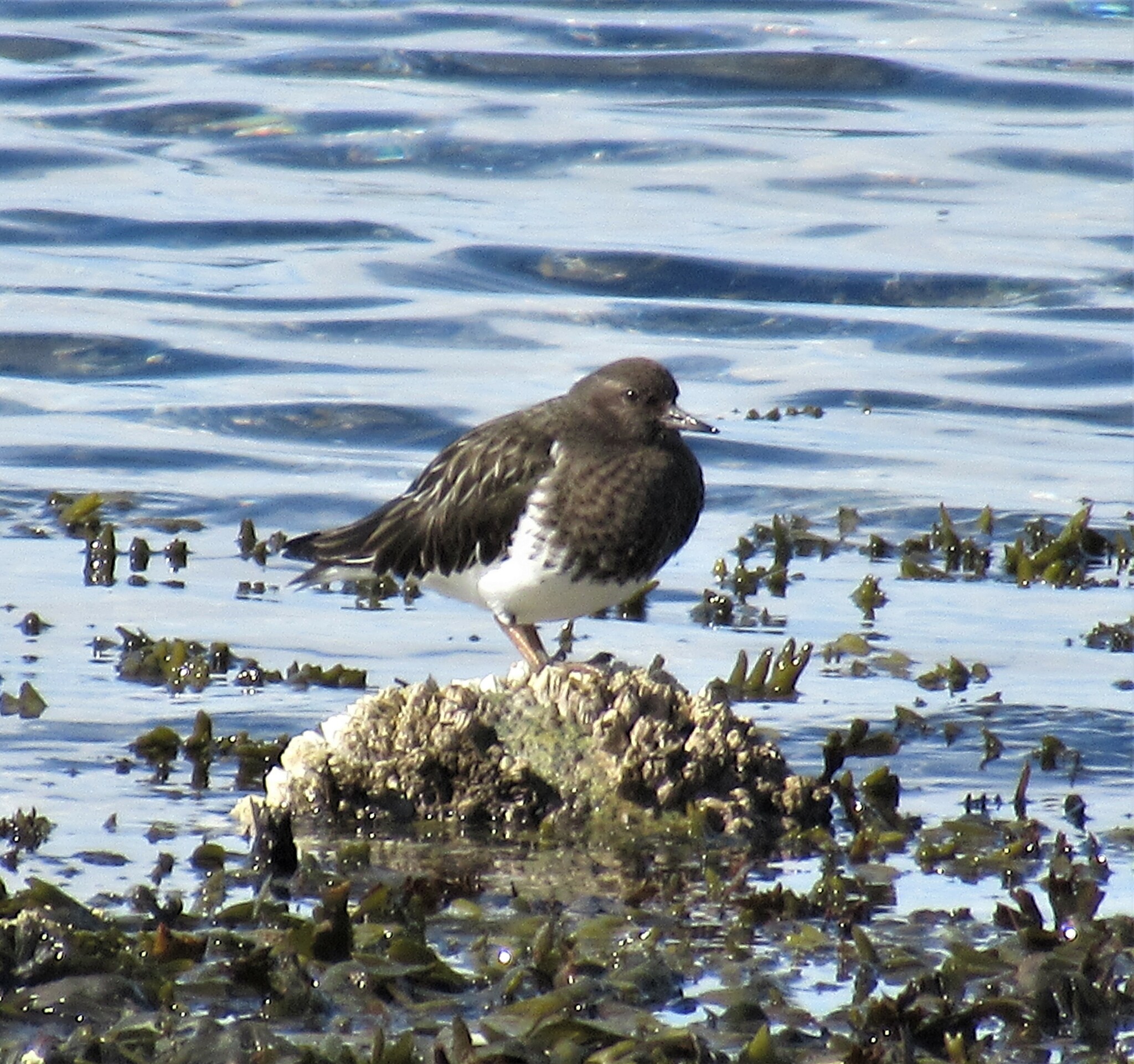
Black Turnstone (Arenaria melanocephala) Black Turnstone
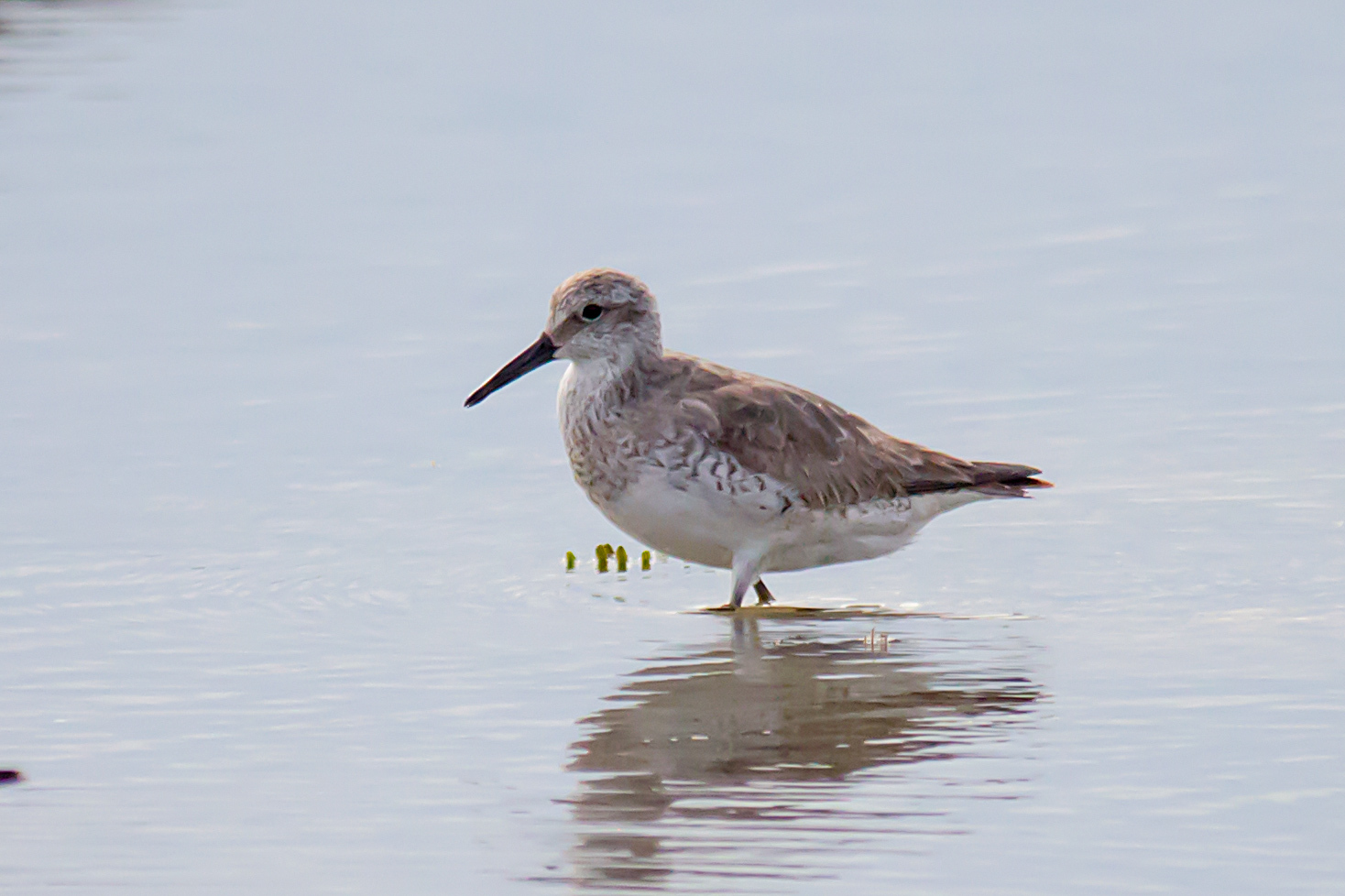
Great Knot (Calidris tenuirostris) Great Knot

Media

Loading…

In short

The Black Turnstone and Great Knot are both shorebirds but differ significantly in habitat preference and plumage. The Black Turnstone is adapted to rocky Pacific coasts, while the Great Knot is more commonly found on sandy or muddy shores. Their plumage and behavior also offer clues for identification.

Identification tips

  1. Habitat: Look for Black Turnstones on rocky coastlines; Great Knots are more likely on sandy or muddy shores. 2. Plumage: Black Turnstones have a stark black and white pattern, while Great Knots are mottled gray and brown. 3. Behavior: Observe feeding behavior; Black Turnstones flip stones, whereas Great Knots probe mud. 4. Size: Note that Great Knots are larger than Black Turnstones.

Size

The Great Knot is generally larger than the Black Turnstone.

Plumage

The Black Turnstone has a distinctive black and white plumage with a striking black head and chest, contrasting with its white belly. The Great Knot, on the other hand, has a more mottled gray and brown appearance, lacking the stark black and white contrast.

Behaviour

Black Turnstones are known for flipping over stones and debris to find food, a behavior not typically observed in Great Knots. Great Knots are more likely to be seen probing in mudflats.

Habitat

Black Turnstones are typically found on rocky coasts and are rarely seen away from marine environments. Great Knots prefer sandy or muddy shores and are often found in estuaries and tidal flats.

Voice

Black Turnstones are known for their raucous, scolding calls, especially when disturbed. Great Knots are generally quieter and less vocal.

Submit a better description

Use the same sections as the comparison. Your text is published immediately.

The Black Turnstone and Great Knot are both shorebirds but differ significantly in habitat preference and plumage. The Black Turnstone is adapted to rocky Pacific coasts, while the Great Knot is more commonly found on sandy or muddy shores. Their plumage and behavior also offer clues for identification.

  1. Habitat: Look for Black Turnstones on rocky coastlines; Great Knots are more likely on sandy or muddy shores. 2. Plumage: Black Turnstones have a stark black and white pattern, while Great Knots are mottled gray and brown. 3. Behavior: Observe feeding behavior; Black Turnstones flip stones, whereas Great Knots probe mud. 4. Size: Note that Great Knots are larger than Black Turnstones.

The Great Knot is generally larger than the Black Turnstone.

The Black Turnstone has a distinctive black and white plumage with a striking black head and chest, contrasting with its white belly. The Great Knot, on the other hand, has a more mottled gray and brown appearance, lacking the stark black and white contrast.

Black Turnstones are known for flipping over stones and debris to find food, a behavior not typically observed in Great Knots. Great Knots are more likely to be seen probing in mudflats.

Black Turnstones are typically found on rocky coasts and are rarely seen away from marine environments. Great Knots prefer sandy or muddy shores and are often found in estuaries and tidal flats.

Black Turnstones are known for their raucous, scolding calls, especially when disturbed. Great Knots are generally quieter and less vocal.

Discard your changes?

You have unsaved edits. If you leave now, those changes will be lost.

Black Turnstone · Great Knot · My Tricky Birds