
Blackburnian Warbler vs Chestnut-sided Warbler
Setophaga fusca versus Setophaga pensylvanica
Play a quiz with Blackburnian Warbler and Chestnut-sided Warbler
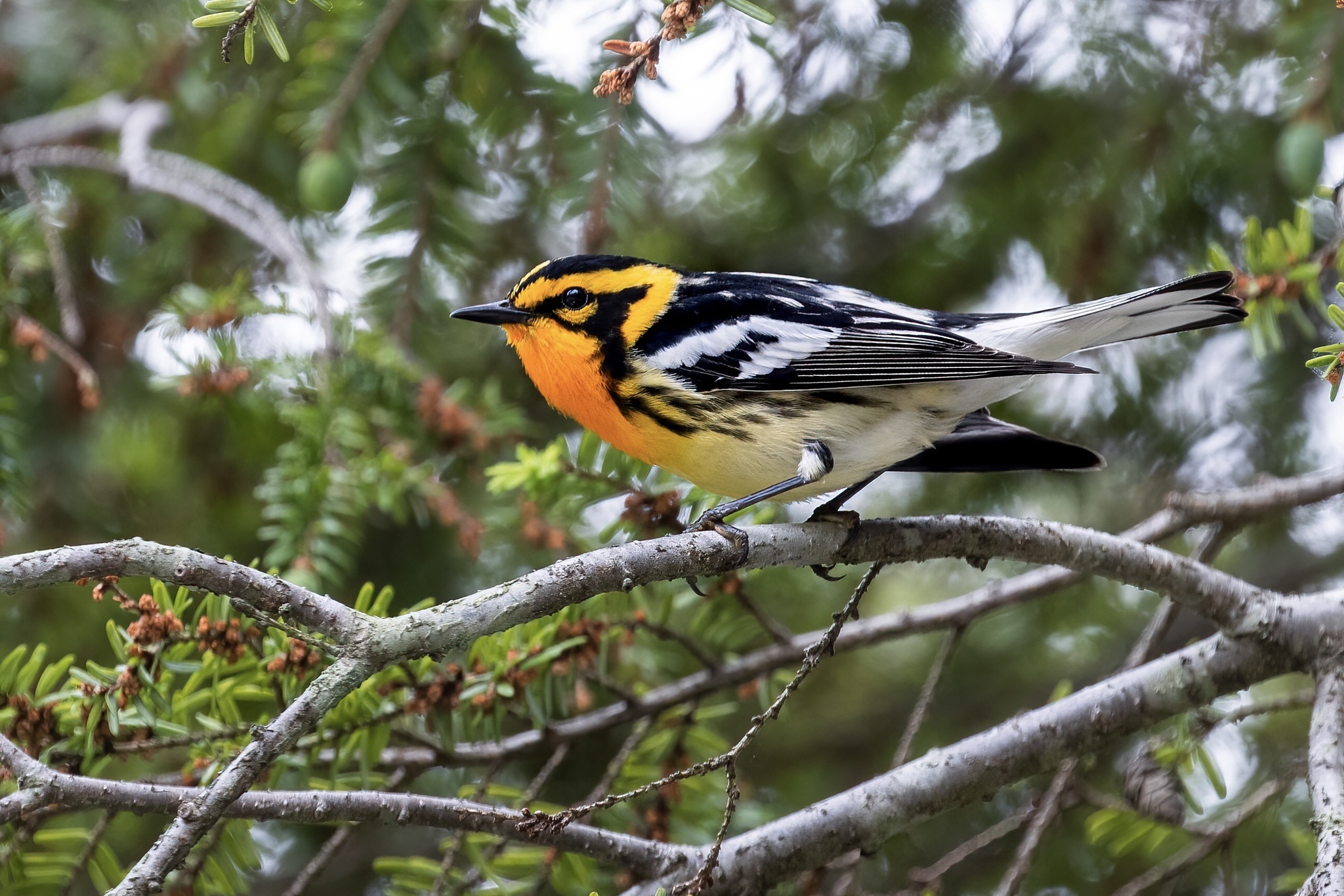 Blackburnian Warbler
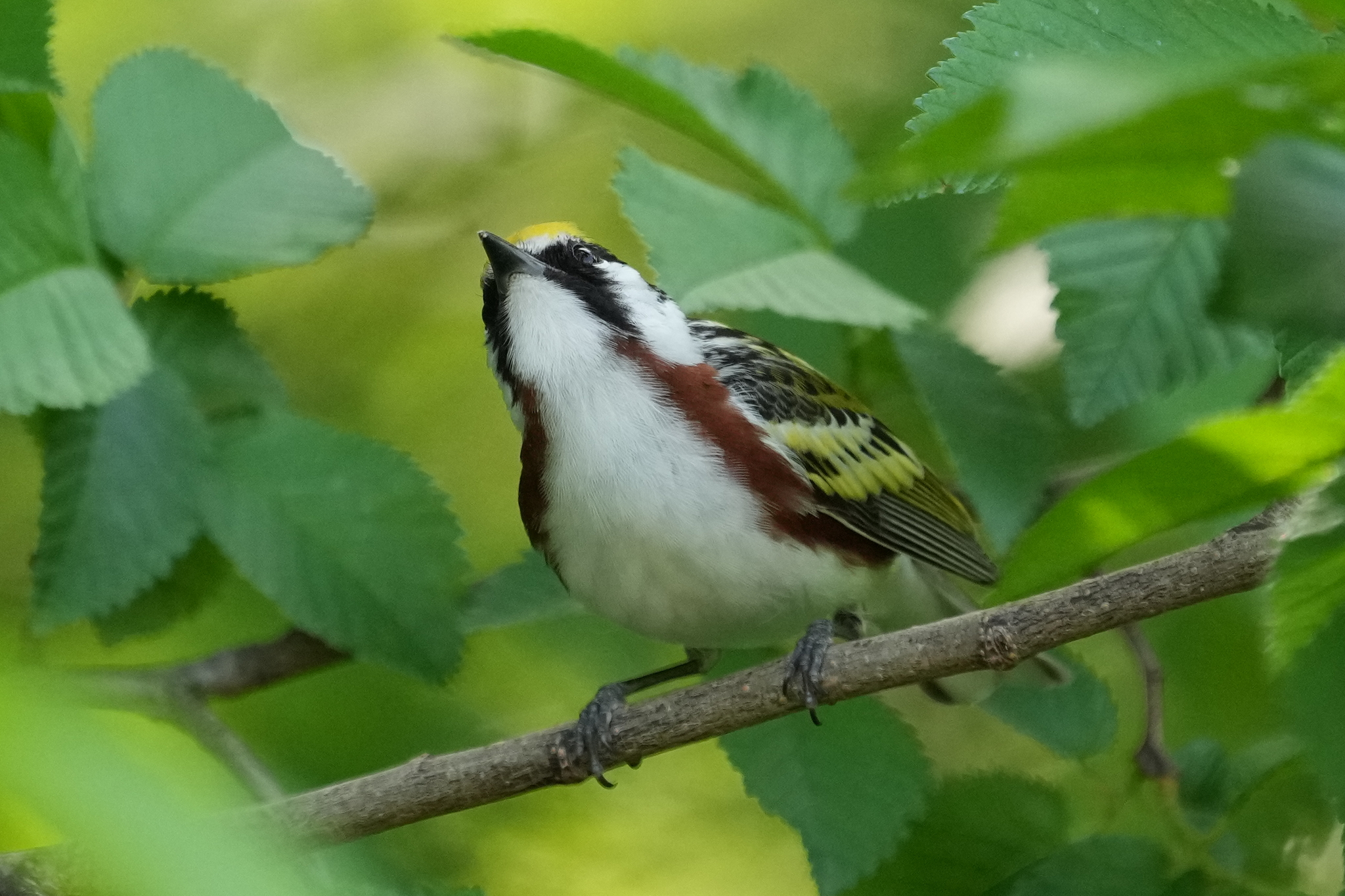 Chestnut-sided Warbler
In short
The Blackburnian Warbler and Chestnut-sided Warbler can be distinguished by their distinct plumage patterns and habitat preferences. Blackburnian Warblers are known for their striking orange throat and face, while Chestnut-sided Warblers have a distinctive chestnut-colored flank. Both species are found in different forest types during the breeding season.
Identification tips
- Look for the orange throat and face of the Blackburnian Warbler, especially in males.
- Note the chestnut flanks and yellow crown of the Chestnut-sided Warbler.
- Consider the habitat: Blackburnian in coniferous forests, Chestnut-sided in deciduous or mixed forests.
- Listen for the distinctive songs: Blackburnian's rising notes versus Chestnut-sided's 'pleased to meetcha.'
Size
Both species are similar in size, typical of small warblers.
Plumage
The Blackburnian Warbler features a vibrant orange throat and face with black streaks on the back and wings. In contrast, the Chestnut-sided Warbler displays a white face and underparts with a prominent chestnut stripe along its flanks and a yellow crown.
Behaviour
Both species are active foragers, often seen gleaning insects from foliage. The Blackburnian Warbler tends to forage higher in the canopy, while the Chestnut-sided Warbler is more often found in lower vegetation.
Habitat
During the breeding season, Blackburnian Warblers prefer coniferous forests, especially hemlocks, while Chestnut-sided Warblers are more common in deciduous and mixed forests, often in regenerating or disturbed areas.
Voice
The Blackburnian Warbler's song is a high-pitched series of notes that rise in pitch, while the Chestnut-sided Warbler's song is often described as 'please, please, pleased to meetcha.'
Blackburnian Warbler · Chestnut-sided Warbler · My Tricky Birds