
Blue-headed Vireo vs Townsend's Solitaire
Vireo solitarius versus Myadestes townsendi
Play a quiz with Blue-headed Vireo and Townsend's Solitaire
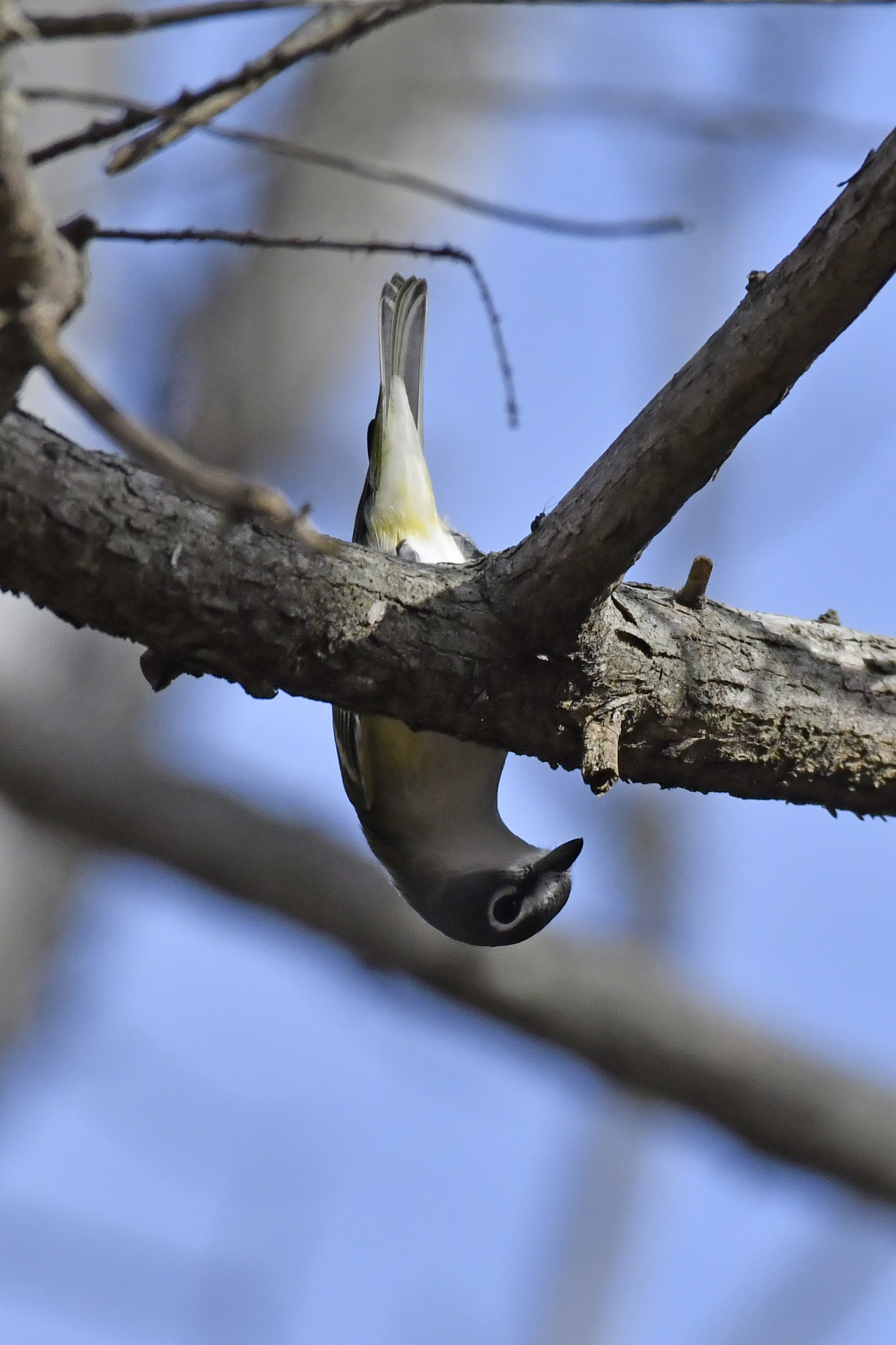 Blue-headed Vireo
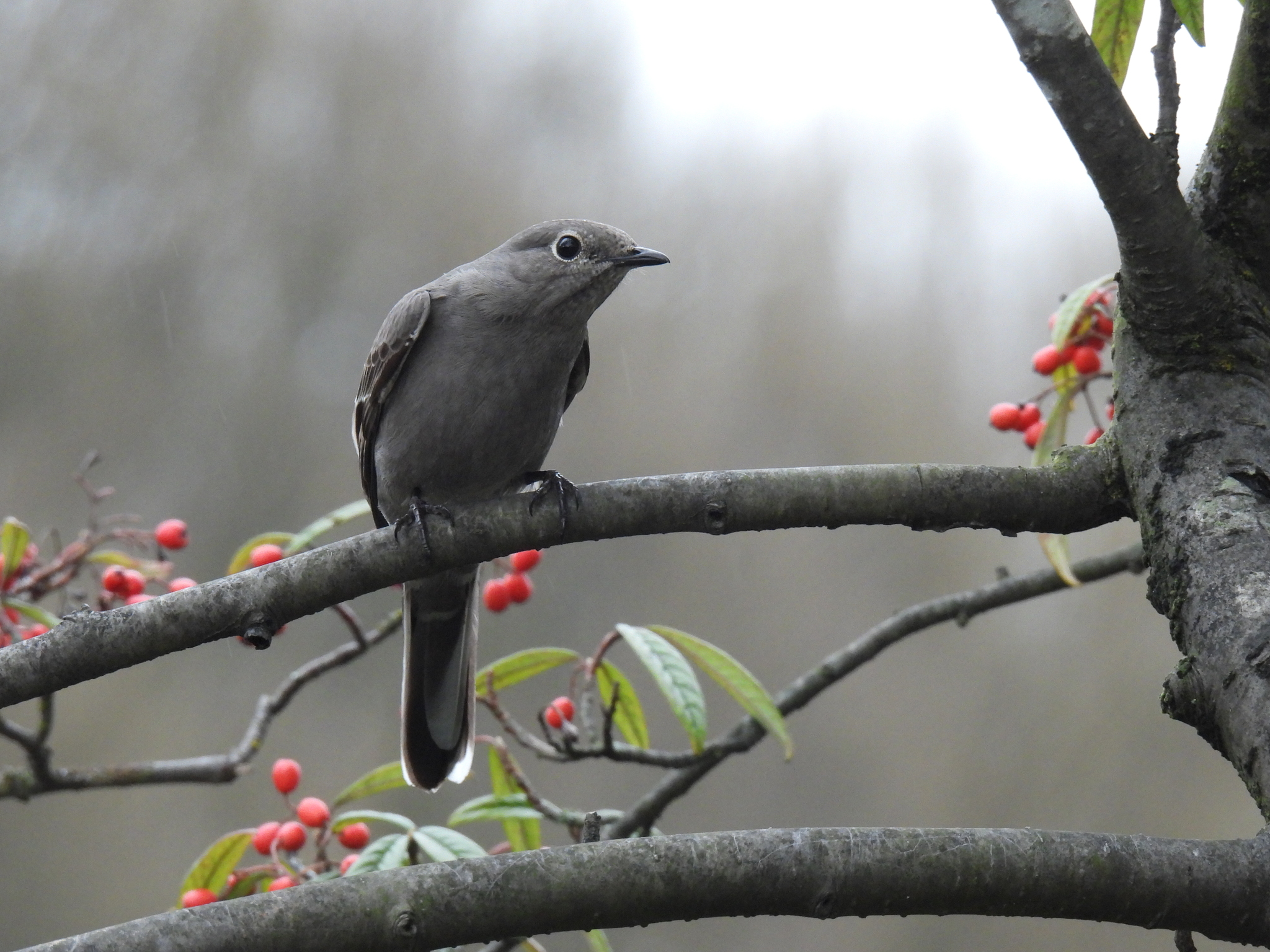 Townsend's Solitaire
In short
The Blue-headed Vireo and Townsend's Solitaire can be distinguished primarily by their habitat preferences and plumage. The vireo is often found in coniferous forests and has a distinctive blue-gray head with white spectacles, while the solitaire is associated with montane regions and has a uniform gray plumage with a white eye-ring.
Identification tips
- Location: Check the habitat; Blue-headed Vireo prefers coniferous forests, while Townsend's Solitaire is associated with montane regions. 2. Plumage: Look for the blue-gray head and white spectacles of the vireo versus the uniform gray plumage and white eye-ring of the solitaire. 3. Behavior: Note foraging behavior; vireos are more likely to be seen foraging at mid-height, while solitaires may be seen sallying for insects. 4. Song: Listen for the more elaborate song of the solitaire.
Size
Townsend's Solitaire is generally larger and more thrush-like compared to the smaller, more compact Blue-headed Vireo.
Plumage
Blue-headed Vireo has a blue-gray head, white spectacles, and olive-green back, contrasting with the Townsend's Solitaire's uniform gray plumage, white eye-ring, and subtle buff wing markings.
Behaviour
Blue-headed Vireo forages at mid-height in forests, often snatching insects in flight, whereas Townsend's Solitaire is known for its flycatcher-like sallying for insects and ground nesting habits.
Habitat
Blue-headed Vireo prefers coniferous and mixed forests in eastern North America, while Townsend's Solitaire is found in montane coniferous forests and descends to juniper woodlands in winter.
Voice
Townsend's Solitaire has a more elaborate and musical song compared to the simpler song of the Blue-headed Vireo.