Birdr

Blue-headed Vireo vs Western Tanager

Vireo solitarius versus Piranga ludoviciana

Play a quiz with Blue-headed Vireo and Western Tanager
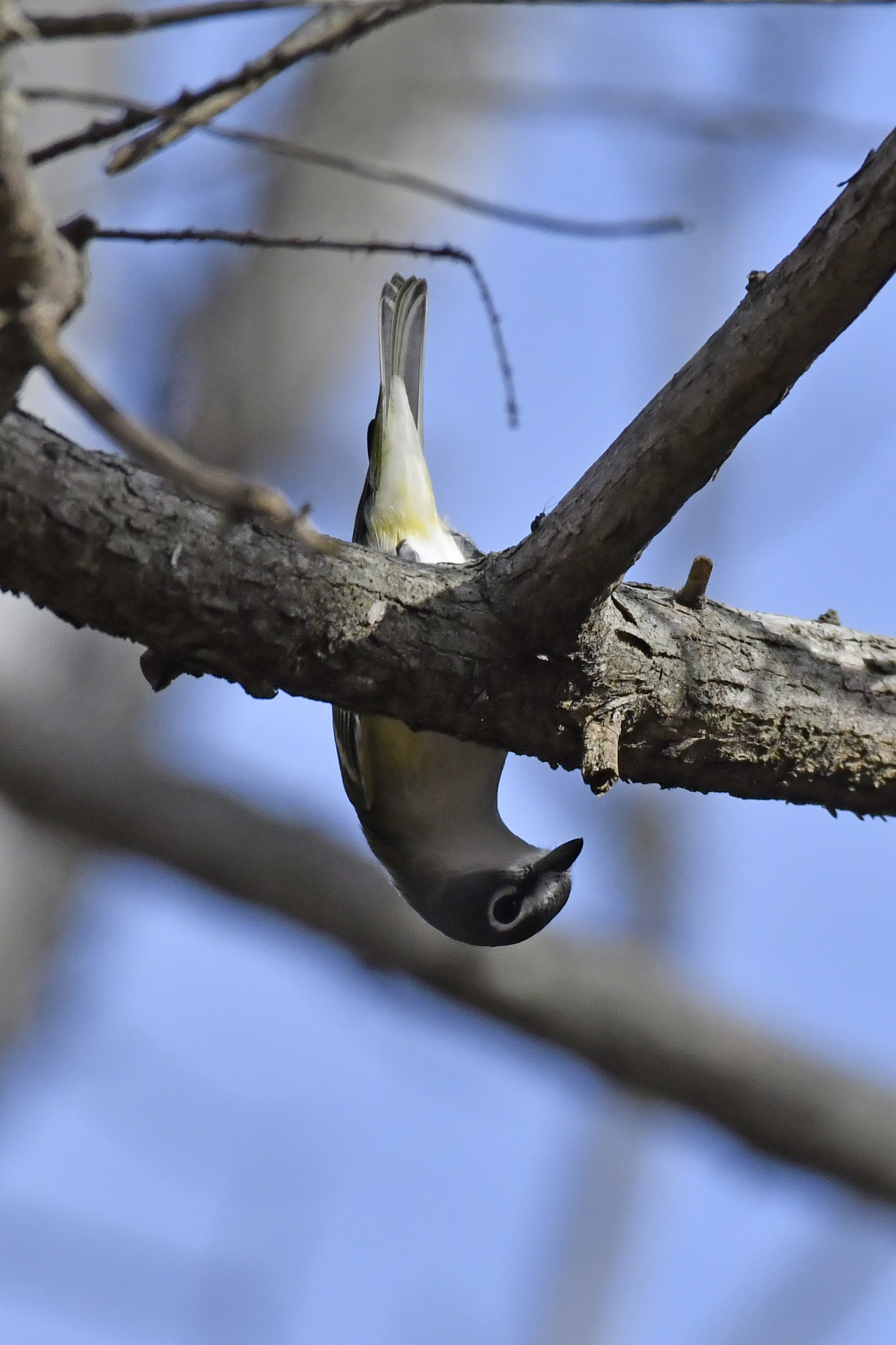
Blue-headed Vireo (Vireo solitarius) Blue-headed Vireo
Western Tanager (Piranga ludoviciana) Western Tanager

Media

Loading…

In short

The Blue-headed Vireo and Western Tanager can be distinguished by their plumage and habitat preferences. The vireo has a distinctive blue-gray head with white spectacles, while the tanager is known for its bright yellow body and red head. Both species inhabit forested areas, but the vireo prefers coniferous forests in the east, whereas the tanager is found in open coniferous and mixed woodlands in the west.

Identification tips

Look for the blue-gray head and white spectacles of the Blue-headed Vireo versus the red head and yellow body of the male Western Tanager. Note the habitat: vireos in eastern coniferous forests, tanagers in western woodlands. During migration, tanagers may appear in parks and open areas.

Size

The Western Tanager is generally larger than the Blue-headed Vireo, with a more robust body.

Plumage

The Blue-headed Vireo has a blue-gray head with white spectacles and olive-green upperparts, while the Western Tanager male is bright yellow with a striking red head and black wings. Female tanagers are more subdued but still show yellow tones.

Behaviour

Both species forage for insects, but the vireo moves slowly among branches, while the tanager is more sluggish and often remains in the shade.

Habitat

The Blue-headed Vireo is found in coniferous forests in the eastern U.S. and Canada, while the Western Tanager inhabits open coniferous and mixed woodlands in western North America.

Voice

The Blue-headed Vireo has a slow, deliberate song with pauses, while the Western Tanager's song is stronger and more deliberate, but less conspicuous.

Submit a better description

Use the same sections as the comparison. Your text is published immediately.

The Blue-headed Vireo and Western Tanager can be distinguished by their plumage and habitat preferences. The vireo has a distinctive blue-gray head with white spectacles, while the tanager is known for its bright yellow body and red head. Both species inhabit forested areas, but the vireo prefers coniferous forests in the east, whereas the tanager is found in open coniferous and mixed woodlands in the west.

Look for the blue-gray head and white spectacles of the Blue-headed Vireo versus the red head and yellow body of the male Western Tanager. Note the habitat: vireos in eastern coniferous forests, tanagers in western woodlands. During migration, tanagers may appear in parks and open areas.

The Western Tanager is generally larger than the Blue-headed Vireo, with a more robust body.

The Blue-headed Vireo has a blue-gray head with white spectacles and olive-green upperparts, while the Western Tanager male is bright yellow with a striking red head and black wings. Female tanagers are more subdued but still show yellow tones.

Both species forage for insects, but the vireo moves slowly among branches, while the tanager is more sluggish and often remains in the shade.

The Blue-headed Vireo is found in coniferous forests in the eastern U.S. and Canada, while the Western Tanager inhabits open coniferous and mixed woodlands in western North America.

The Blue-headed Vireo has a slow, deliberate song with pauses, while the Western Tanager's song is stronger and more deliberate, but less conspicuous.

Discard your changes?

You have unsaved edits. If you leave now, those changes will be lost.

Blue-headed Vireo · Western Tanager · My Tricky Birds