Birdr

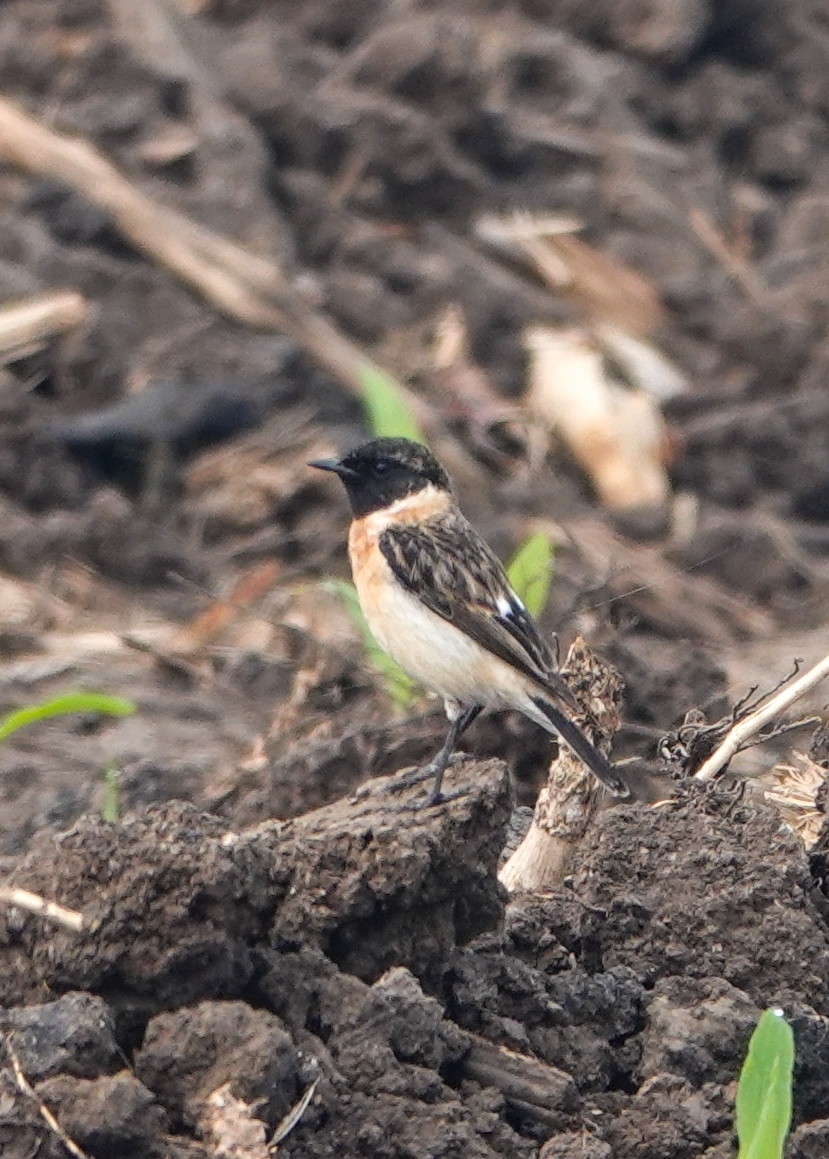
Blue Rock Thrush vs Siberian Stonechat

Monticola solitarius versus Saxicola maurus

Play a quiz with Blue Rock Thrush and Siberian Stonechat
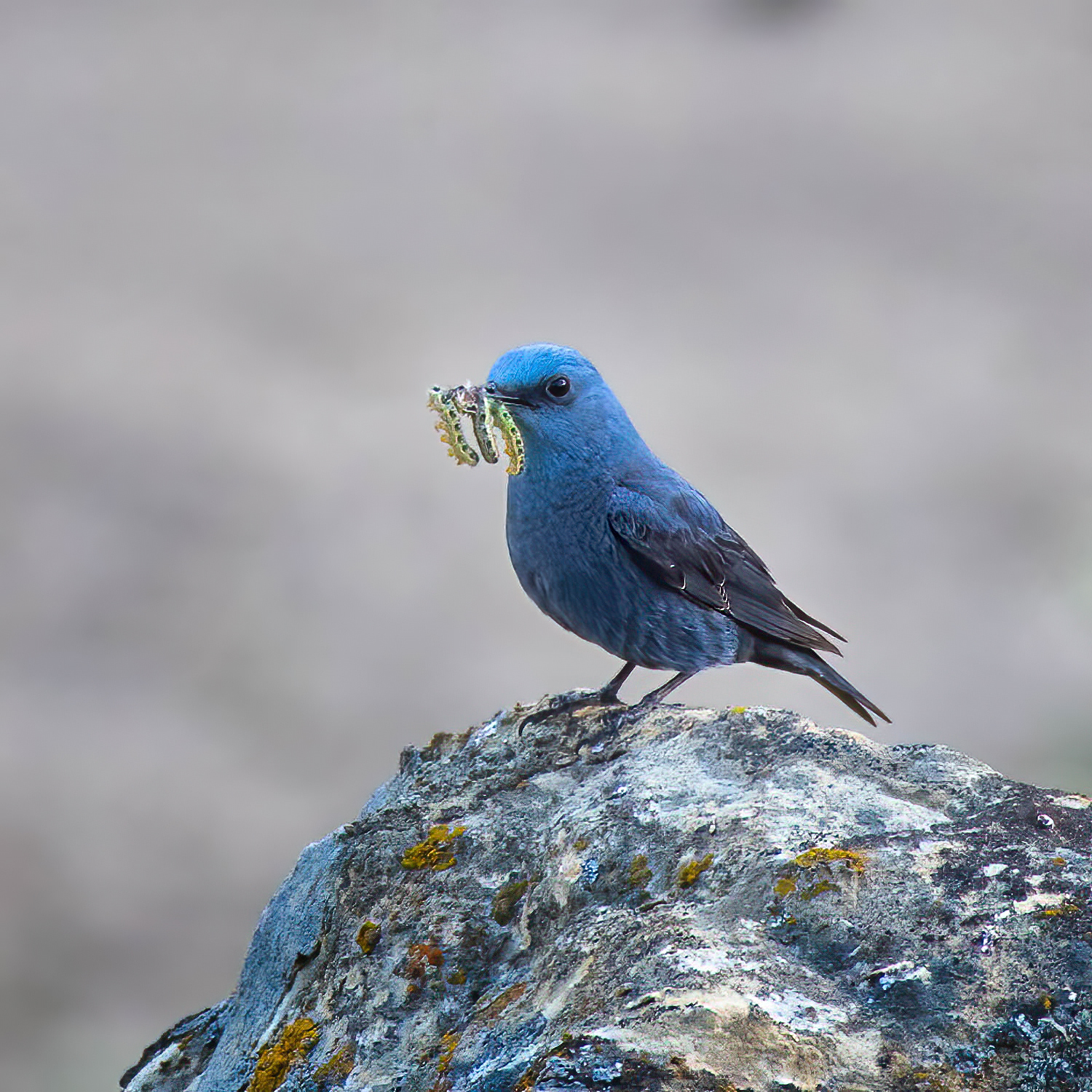
Blue Rock Thrush (Monticola solitarius) Blue Rock Thrush
Siberian Stonechat (Saxicola maurus) Siberian Stonechat

Media

Loading…

In short

The Blue Rock Thrush and Siberian Stonechat differ significantly in structure and habitat preference. The Blue Rock Thrush is larger and more robust, often found in rocky areas, while the Siberian Stonechat is smaller, more compact, and typically seen in open fields and grasslands. Key plumage differences include the Blue Rock Thrush's overall blue tones compared to the Siberian Stonechat's more contrasting black and white patterns.

Identification tips

  1. Check size and structure: Blue Rock Thrush is larger and more robust. 2. Observe plumage: Blue Rock Thrush males are blue; Siberian Stonechat has contrasting black and white. 3. Consider habitat: Blue Rock Thrush in rocky areas; Siberian Stonechat in open fields. 4. Listen for vocalizations: Blue Rock Thrush has a melodious song; Siberian Stonechat has varied calls.

Size

The Blue Rock Thrush is larger and more robust, whereas the Siberian Stonechat is smaller and more compact.

Plumage

The Blue Rock Thrush has a predominantly blue plumage, especially in males, while the Siberian Stonechat displays a more contrasting pattern with black, white, and orange tones.

Behaviour

Blue Rock Thrushes are often seen perched on rocks or cliffs, while Siberian Stonechats frequently perch on low vegetation or fence posts in open areas.

Habitat

Blue Rock Thrushes prefer rocky, mountainous areas, whereas Siberian Stonechats are typically found in open fields, grasslands, and agricultural areas.

Voice

The Blue Rock Thrush has a melodious song, while the Siberian Stonechat's calls are more varied and include a distinctive 'chat' sound.

Submit a better description

Use the same sections as the comparison. Your text is published immediately.

The Blue Rock Thrush and Siberian Stonechat differ significantly in structure and habitat preference. The Blue Rock Thrush is larger and more robust, often found in rocky areas, while the Siberian Stonechat is smaller, more compact, and typically seen in open fields and grasslands. Key plumage differences include the Blue Rock Thrush's overall blue tones compared to the Siberian Stonechat's more contrasting black and white patterns.

  1. Check size and structure: Blue Rock Thrush is larger and more robust. 2. Observe plumage: Blue Rock Thrush males are blue; Siberian Stonechat has contrasting black and white. 3. Consider habitat: Blue Rock Thrush in rocky areas; Siberian Stonechat in open fields. 4. Listen for vocalizations: Blue Rock Thrush has a melodious song; Siberian Stonechat has varied calls.

The Blue Rock Thrush is larger and more robust, whereas the Siberian Stonechat is smaller and more compact.

The Blue Rock Thrush has a predominantly blue plumage, especially in males, while the Siberian Stonechat displays a more contrasting pattern with black, white, and orange tones.

Blue Rock Thrushes are often seen perched on rocks or cliffs, while Siberian Stonechats frequently perch on low vegetation or fence posts in open areas.

Blue Rock Thrushes prefer rocky, mountainous areas, whereas Siberian Stonechats are typically found in open fields, grasslands, and agricultural areas.

The Blue Rock Thrush has a melodious song, while the Siberian Stonechat's calls are more varied and include a distinctive 'chat' sound.

Discard your changes?

You have unsaved edits. If you leave now, those changes will be lost.

Blue Rock Thrush · Siberian Stonechat · My Tricky Birds