
Blue-throated Hillstar vs Green-headed Hillstar
Oreotrochilus cyanolaemus versus Oreotrochilus stolzmanni
Play a quiz with Blue-throated Hillstar and Green-headed Hillstar
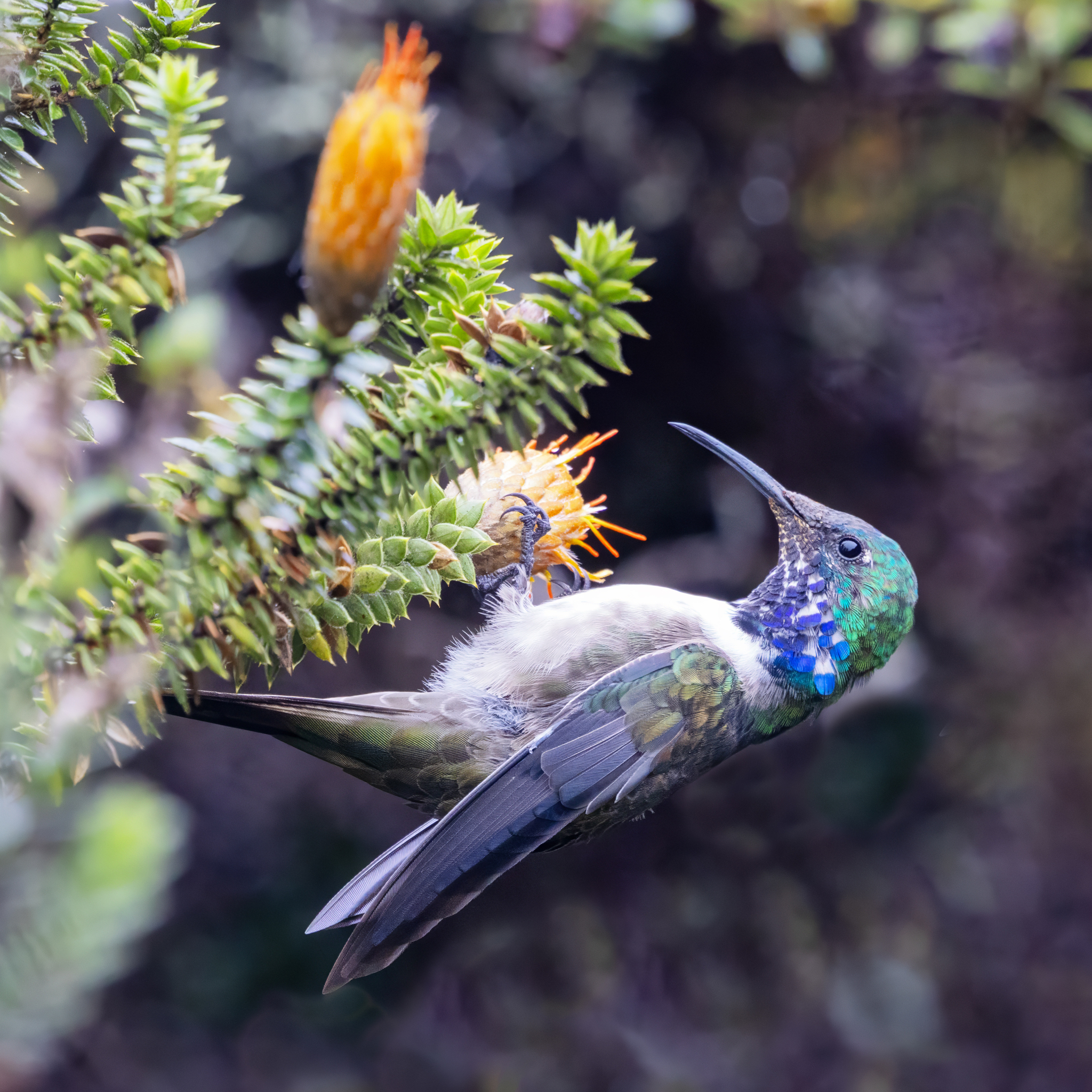 Blue-throated Hillstar
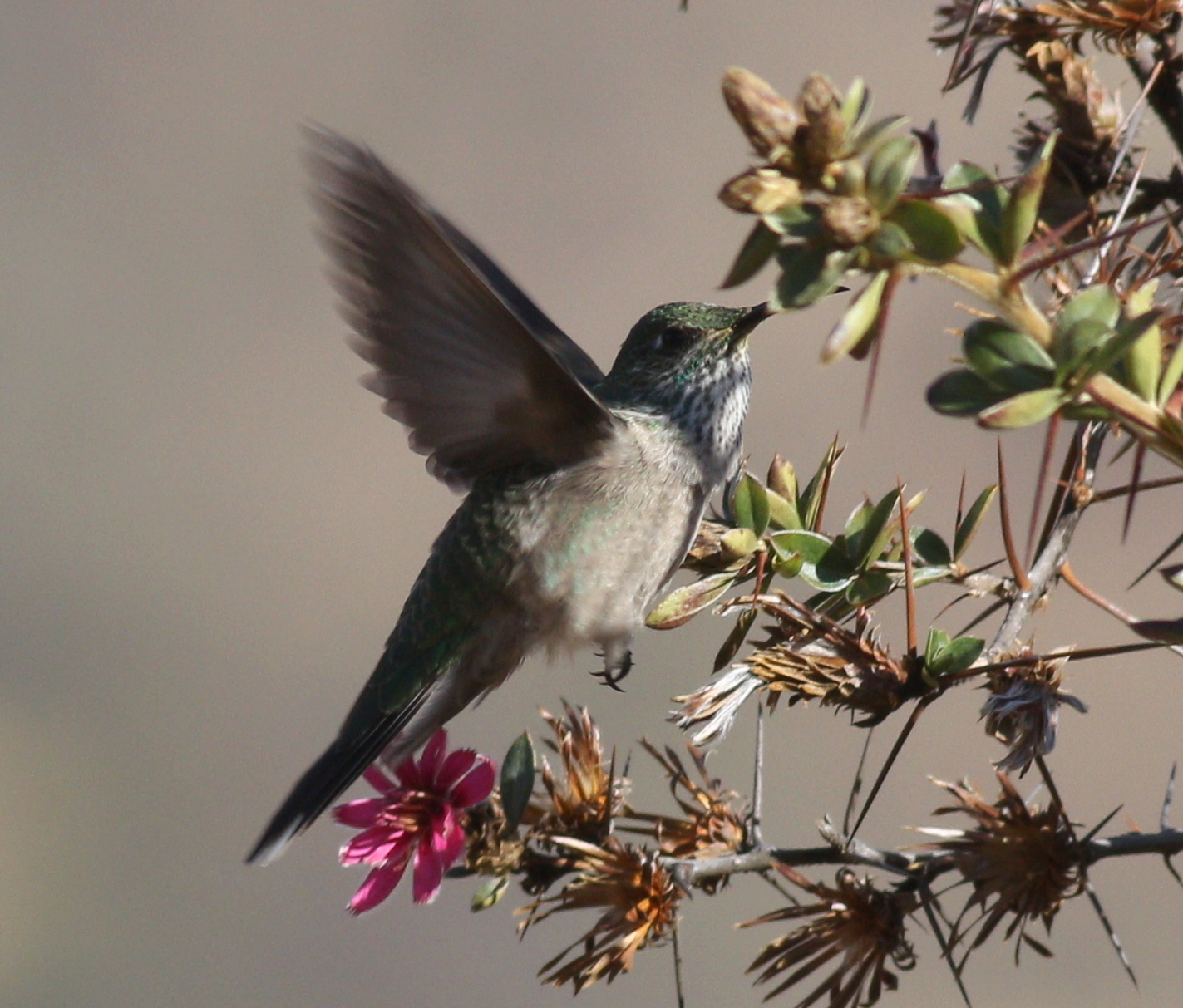 Green-headed Hillstar
In short
The Blue-throated Hillstar and Green-headed Hillstar are closely related hummingbirds found in high-elevation environments. The most reliable field mark is the ultramarine-blue throat of the Blue-throated Hillstar, contrasting with the Green-headed Hillstar's emerald-green head and upperparts.
Identification tips
- Look for the ultramarine-blue throat on the Blue-throated Hillstar. 2. Note the emerald-green head and upperparts on the Green-headed Hillstar. 3. Both species are found at high elevations, so focus on throat color for identification.
Size
Both species are similar in size, typical of hillstars, with no significant differences noted.
Plumage
The Blue-throated Hillstar has an ultramarine-blue throat, while the Green-headed Hillstar features an emerald-green head and upperparts. Both have similar emerald-green upperparts, but the throat color is the key distinguishing feature.
Behaviour
Both species exhibit typical hillstar behaviors, such as hovering and feeding on nectar in high-altitude environments.
Habitat
Both species inhabit high-elevation environments, but the Blue-throated Hillstar has a more restricted range and is potentially critically endangered due to its limited distribution.
Blue-throated Hillstar · Green-headed Hillstar · My Tricky Birds