
Bluethroat vs Atlas Flycatcher
Luscinia svecica versus Ficedula speculigera
Play a quiz with Bluethroat and Atlas Flycatcher
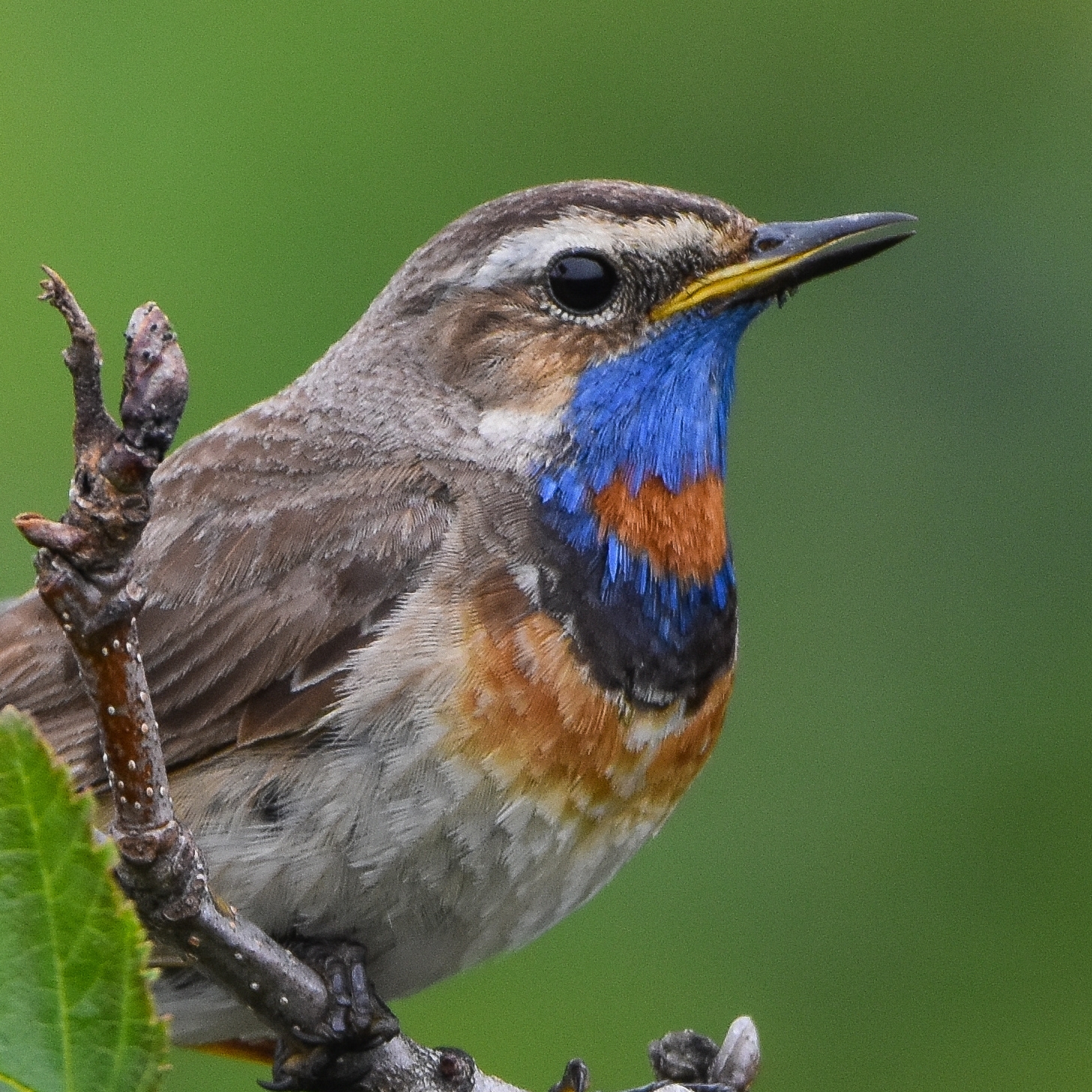 Bluethroat
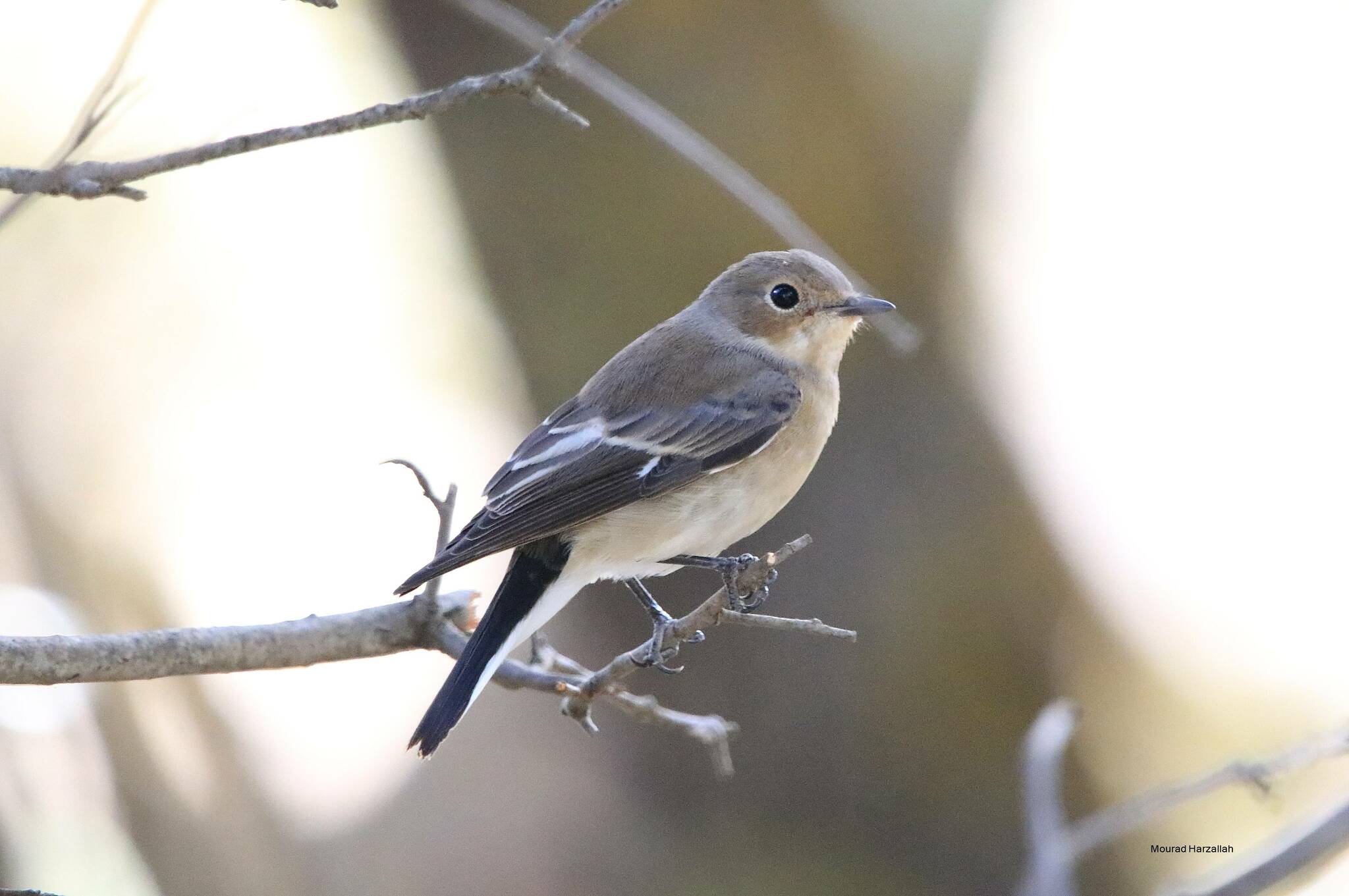 Atlas Flycatcher
In short
The Bluethroat and Atlas Flycatcher can be distinguished by their plumage and habitat preferences. The Bluethroat is notable for its striking throat patch, while the Atlas Flycatcher has a more subdued appearance with distinct wing markings. Both species belong to the Old World Flycatchers family, but their behaviors and habitats differ significantly.
Identification tips
Look for the blue throat patch in Bluethroats, especially in males, and the rufous tail. For the Atlas Flycatcher, note the white wing patch and overall black and white plumage. Consider habitat: Bluethroats in wetlands, Atlas Flycatchers in woodlands. Listen for the Bluethroat's complex song if vocalizations are heard.
Size
Both species are small passerines, but the Bluethroat is slightly larger and more robust than the Atlas Flycatcher.
Plumage
The Bluethroat is known for its vibrant blue throat with a central red or white spot, especially in males, and a rufous tail with a dark terminal band. The Atlas Flycatcher, in contrast, has a more monochrome appearance with black and white plumage, notable for its white wing patch and lack of a colorful throat.
Behaviour
Bluethroats often forage on the ground or low vegetation, displaying a skulking behavior. Atlas Flycatchers are more likely to be seen sallying from perches to catch insects in flight.
Habitat
Bluethroats are typically found in wetland areas with dense low vegetation, such as marshes and reed beds. Atlas Flycatchers prefer open woodlands and forest edges, often in mountainous regions.
Voice
The Bluethroat has a varied and melodious song, often delivered from a perch, while the Atlas Flycatcher's song is less documented but generally consists of simpler calls.