Birdr

Blyth's Swift vs Little Swift

Apus leuconyx versus Apus affinis

Play a quiz with Blyth's Swift and Little Swift
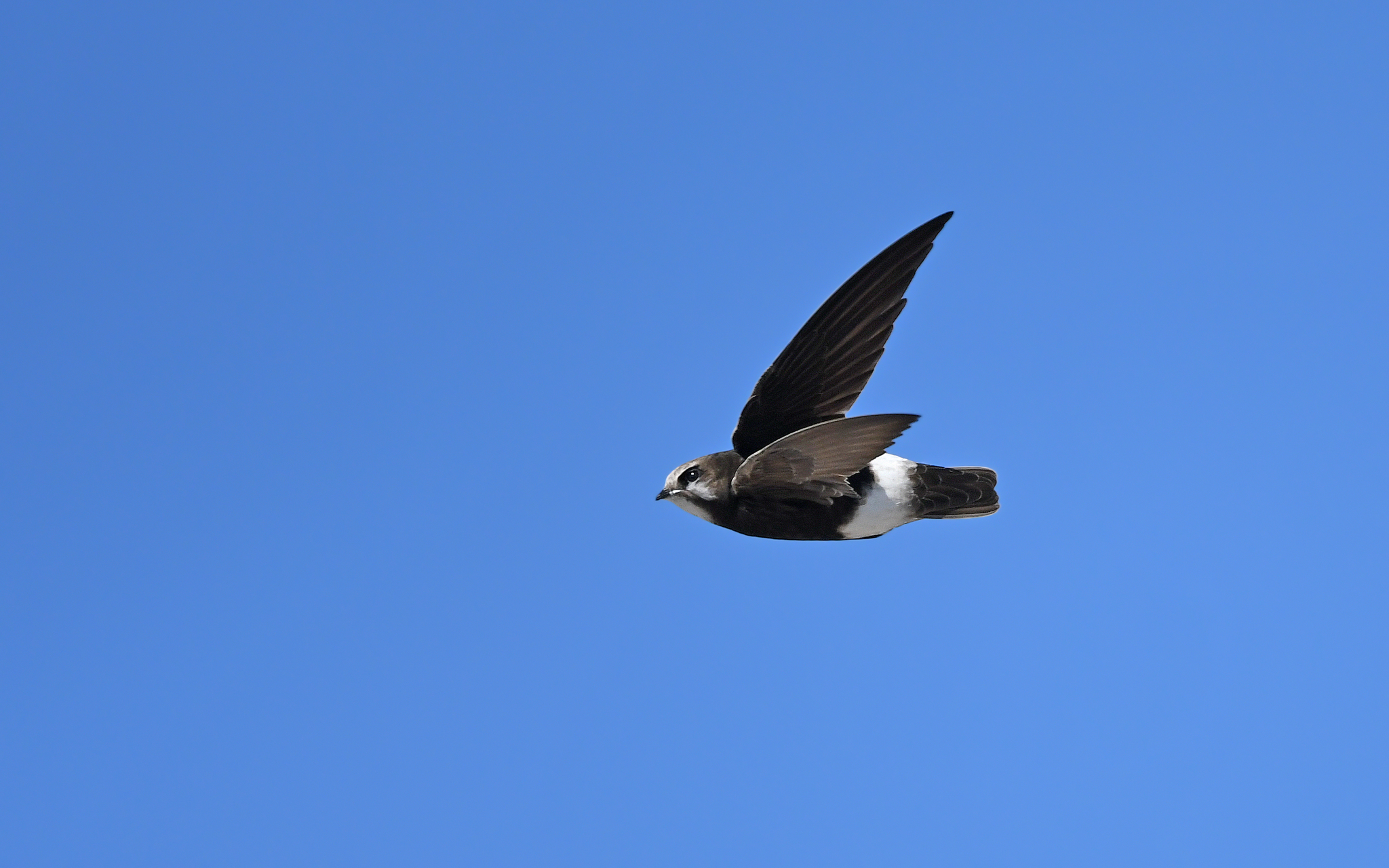
Blyth's Swift (Apus leuconyx) Blyth's Swift
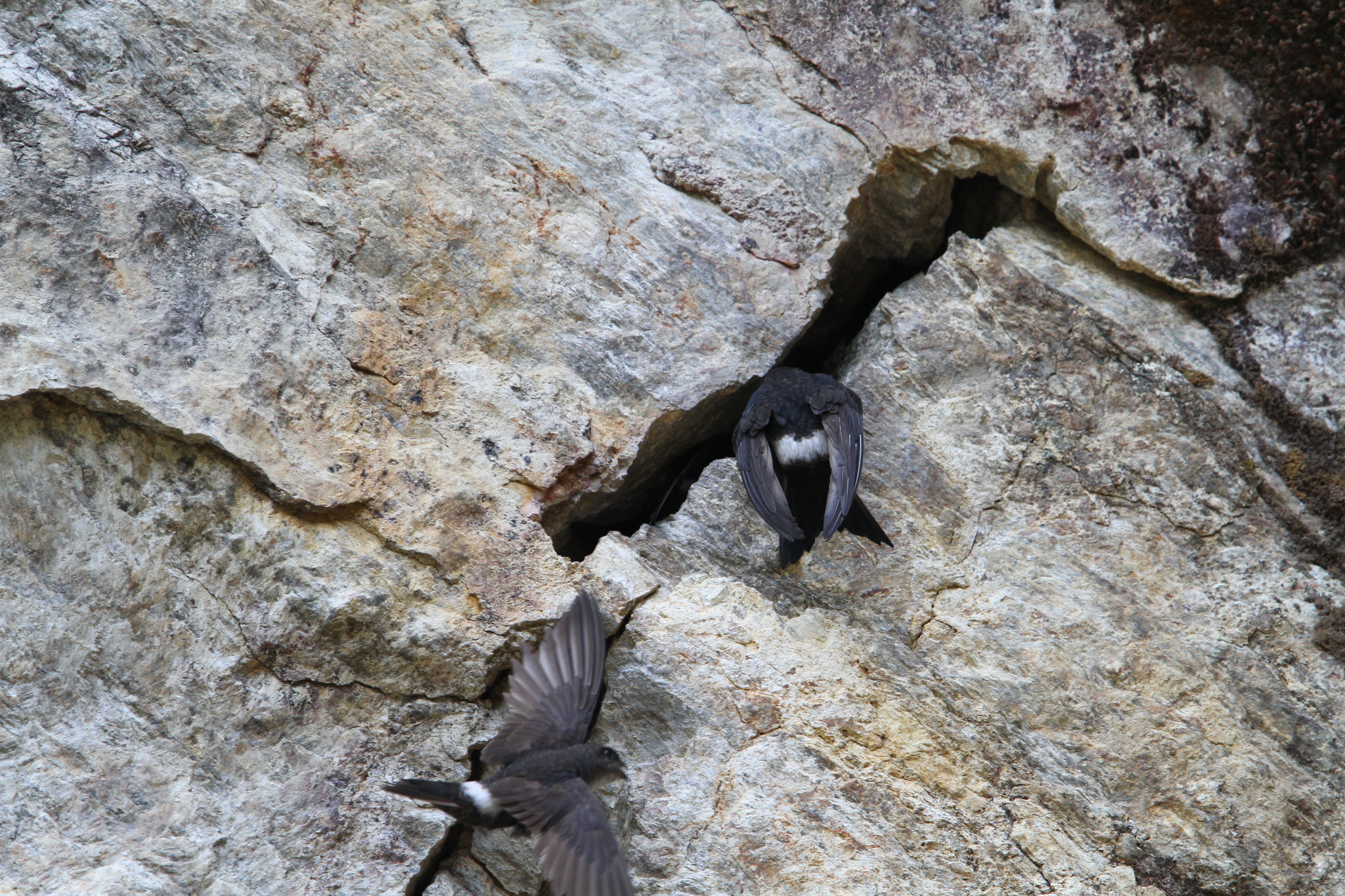
Little Swift (Apus affinis) Little Swift

Media

Loading…

In short

Blyth's Swift and Little Swift can be challenging to differentiate in the field due to their similar size and shape. However, Blyth's Swift generally has a more uniform dark plumage, while Little Swift often shows a contrasting white rump. Observing their flight patterns and habitats can also aid in identification.

Identification tips

  1. Look for the white rump patch on Little Swift, absent in Blyth's Swift. 2. Consider the habitat: Little Swift is more urban. 3. Observe size and shape; Blyth's Swift may appear slightly larger and more robust.

Size

Both species are similar in size, but Blyth's Swift may appear slightly larger and more robust.

Plumage

Blyth's Swift is uniformly dark with no distinct white rump, whereas Little Swift typically has a noticeable white rump patch, which is a key distinguishing feature.

Behaviour

Both species exhibit similar swift-like flight patterns, characterized by rapid, agile movements. However, Little Swift may be seen flying lower and closer to human habitation.

Habitat

Blyth's Swift is often found in more open and mountainous regions, while Little Swift is more commonly associated with urban areas and human structures.

Voice

Vocalizations are not a primary distinguishing feature as both species have similar high-pitched calls typical of swifts.

Submit a better description

Use the same sections as the comparison. Your text is published immediately.

Blyth's Swift and Little Swift can be challenging to differentiate in the field due to their similar size and shape. However, Blyth's Swift generally has a more uniform dark plumage, while Little Swift often shows a contrasting white rump. Observing their flight patterns and habitats can also aid in identification.

  1. Look for the white rump patch on Little Swift, absent in Blyth's Swift. 2. Consider the habitat: Little Swift is more urban. 3. Observe size and shape; Blyth's Swift may appear slightly larger and more robust.

Both species are similar in size, but Blyth's Swift may appear slightly larger and more robust.

Blyth's Swift is uniformly dark with no distinct white rump, whereas Little Swift typically has a noticeable white rump patch, which is a key distinguishing feature.

Both species exhibit similar swift-like flight patterns, characterized by rapid, agile movements. However, Little Swift may be seen flying lower and closer to human habitation.

Blyth's Swift is often found in more open and mountainous regions, while Little Swift is more commonly associated with urban areas and human structures.

Vocalizations are not a primary distinguishing feature as both species have similar high-pitched calls typical of swifts.

Discard your changes?

You have unsaved edits. If you leave now, those changes will be lost.

Blyth's Swift · Little Swift · My Tricky Birds