
Brazilian Tinamou vs Grey-legged Tinamou
Crypturellus strigulosus versus Crypturellus duidae
Play a quiz with Brazilian Tinamou and Grey-legged Tinamou
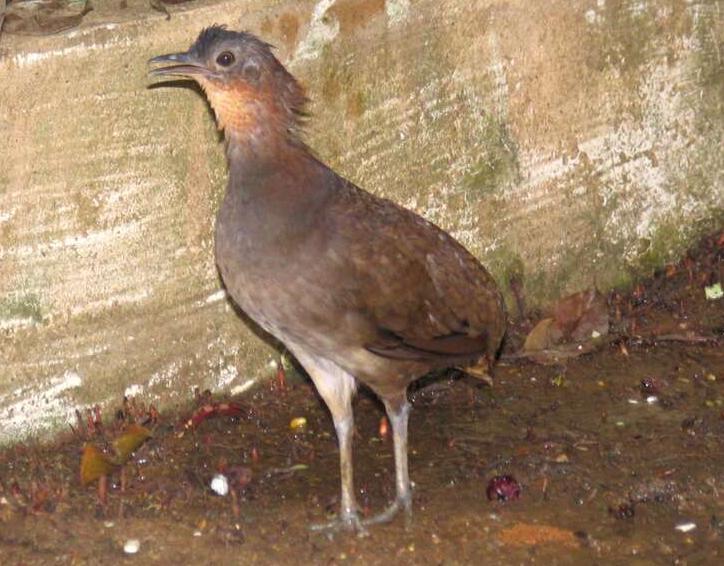 Brazilian Tinamou
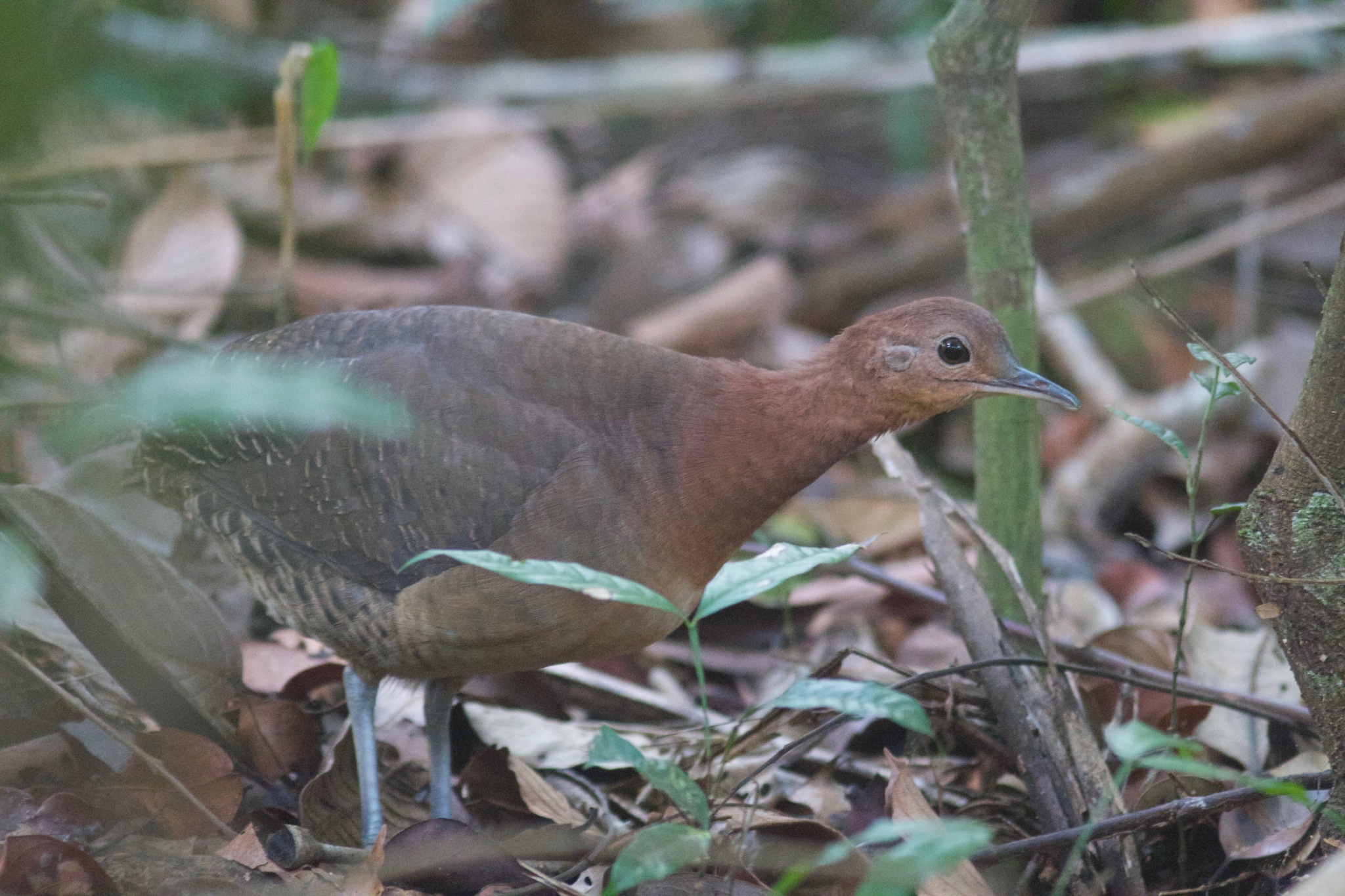 Grey-legged Tinamou
In short
The Brazilian Tinamou and Grey-legged Tinamou are both small, ground-dwelling birds of the genus Crypturellus, making them challenging to distinguish. Key differences include the plumage pattern and leg color. Observers should focus on these features when identifying these species in the field.
Identification tips
- Leg Color: Brazilian Tinamou has more variable leg coloration, while Grey-legged Tinamou has distinctly gray legs.
- Plumage Pattern: Look for more extensive barring on the Brazilian Tinamou, especially on the back.
- Head and Neck: The Grey-legged Tinamou has a grayish head and neck, which can be a helpful feature.
- Field Conditions: Consider lighting and distance, as these can affect the perception of plumage and leg color.
Size
Both species are similar in size, typical of small tinamous, and size alone is not a reliable differentiator.
Plumage
The Brazilian Tinamou generally has more pronounced barring on its back compared to the Grey-legged Tinamou, which has a grayish head and neck, with males especially being less barred above.
Behaviour
Both species exhibit typical tinamou behavior, being secretive and ground-dwelling, which makes behavioral differences subtle and not particularly useful for identification.
Habitat
Both species inhabit forested areas, but specific habitat preferences are not well-documented in the sources.
Voice
Vocalizations are not detailed in the sources, and thus not a reliable field mark for distinguishing these species.