Birdr

Brent Goose vs Great Cormorant

Branta bernicla versus Phalacrocorax carbo

Play a quiz with Brent Goose and Great Cormorant
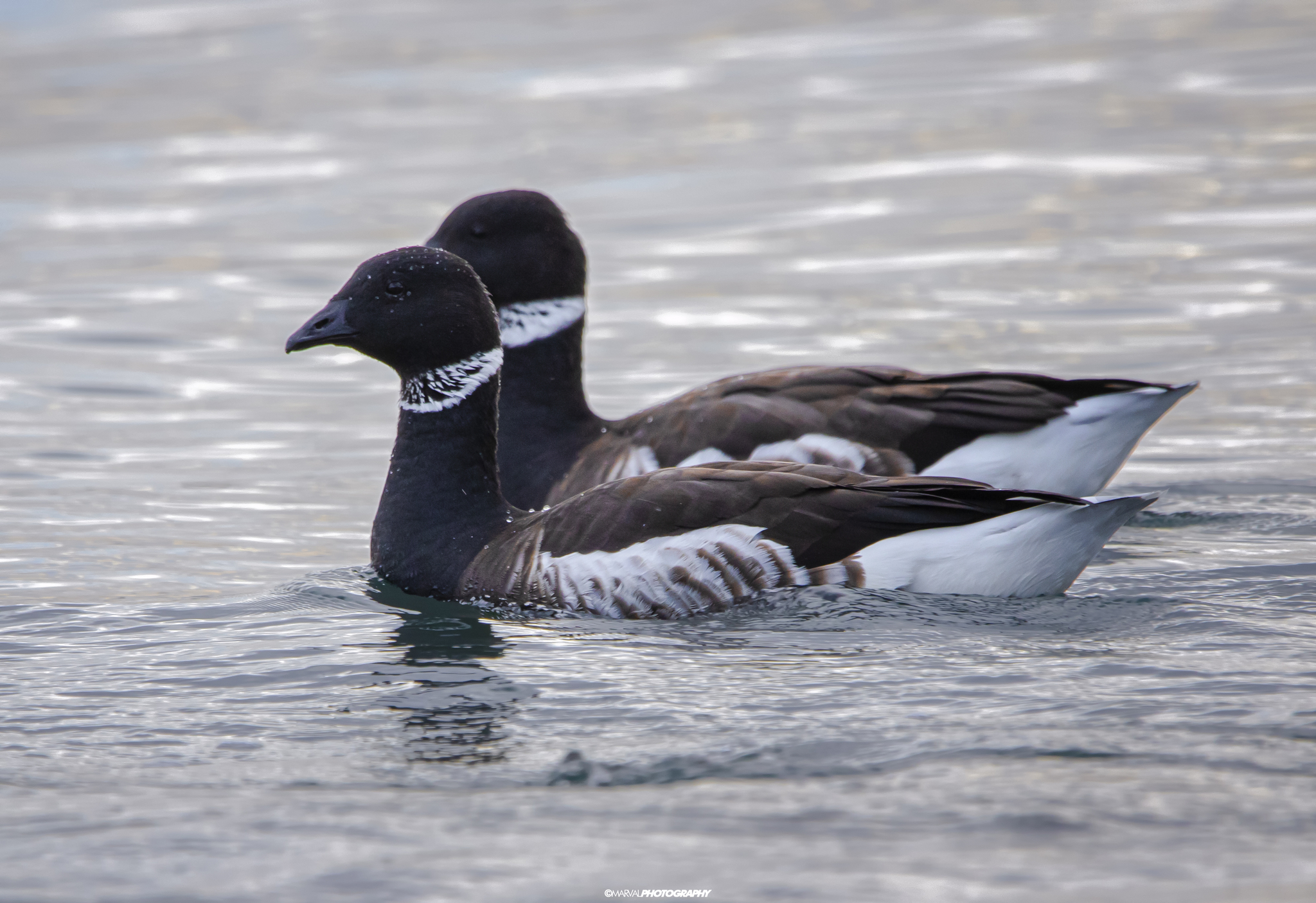
Brent Goose (Branta bernicla) Brent Goose
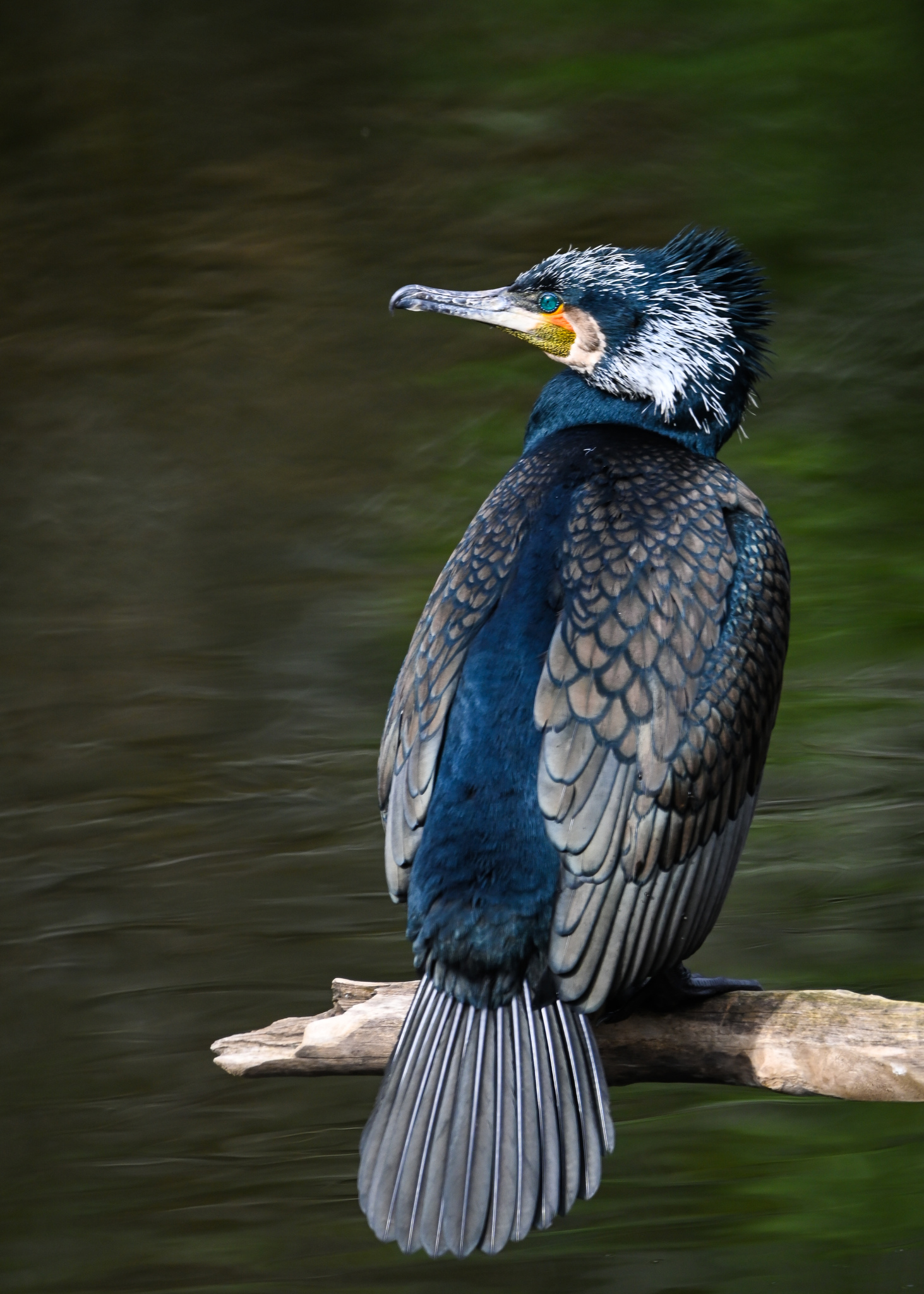
Great Cormorant (Phalacrocorax carbo) Great Cormorant

Media

Loading…

In short

The Brent Goose and Great Cormorant are distinct in both appearance and behavior. The Brent Goose is a small, dark goose with a short neck, while the Great Cormorant is a large, black waterbird with a long neck and hooked bill. These species are not closely related, making their structural differences the most reliable field marks.

Identification tips

  1. Size and Shape: Note the smaller, compact body and short neck of the Brent Goose compared to the larger, long-necked Great Cormorant. 2. Plumage: Look for the white neck ring on Brent Geese, absent in Great Cormorants. 3. Behavior: Observe feeding habits; Brent Geese graze on land, while Great Cormorants dive for fish. 4. Habitat: Consider the location; Brent Geese prefer coastal marshes, whereas Great Cormorants are found in diverse aquatic environments.

Size

The Brent Goose is smaller and more compact than the Great Cormorant, which is larger and more elongated.

Plumage

Brent Geese have a predominantly dark plumage with a white neck ring and pale belly, varying by subspecies. The Great Cormorant is mostly black with a glossy sheen and a white patch on the face during breeding season.

Behaviour

Brent Geese are often seen grazing in flocks on coastal marshes, while Great Cormorants are solitary divers, often seen perched with wings spread to dry.

Habitat

Brent Geese are typically found in coastal areas, especially during migration and wintering. Great Cormorants are found in a variety of aquatic habitats, including coastal regions and inland waters.

Voice

Brent Geese produce a low, guttural call, often heard in flight. Great Cormorants are generally silent, but may produce grunting sounds at the nest.

Submit a better description

Use the same sections as the comparison. Your text is published immediately.

The Brent Goose and Great Cormorant are distinct in both appearance and behavior. The Brent Goose is a small, dark goose with a short neck, while the Great Cormorant is a large, black waterbird with a long neck and hooked bill. These species are not closely related, making their structural differences the most reliable field marks.

  1. Size and Shape: Note the smaller, compact body and short neck of the Brent Goose compared to the larger, long-necked Great Cormorant. 2. Plumage: Look for the white neck ring on Brent Geese, absent in Great Cormorants. 3. Behavior: Observe feeding habits; Brent Geese graze on land, while Great Cormorants dive for fish. 4. Habitat: Consider the location; Brent Geese prefer coastal marshes, whereas Great Cormorants are found in diverse aquatic environments.

The Brent Goose is smaller and more compact than the Great Cormorant, which is larger and more elongated.

Brent Geese have a predominantly dark plumage with a white neck ring and pale belly, varying by subspecies. The Great Cormorant is mostly black with a glossy sheen and a white patch on the face during breeding season.

Brent Geese are often seen grazing in flocks on coastal marshes, while Great Cormorants are solitary divers, often seen perched with wings spread to dry.

Brent Geese are typically found in coastal areas, especially during migration and wintering. Great Cormorants are found in a variety of aquatic habitats, including coastal regions and inland waters.

Brent Geese produce a low, guttural call, often heard in flight. Great Cormorants are generally silent, but may produce grunting sounds at the nest.

Discard your changes?

You have unsaved edits. If you leave now, those changes will be lost.

Brent Goose · Great Cormorant · My Tricky Birds