
Bright-rumped Attila vs Dusky-capped Flycatcher
Attila spadiceus versus Myiarchus tuberculifer
Play a quiz with Bright-rumped Attila and Dusky-capped Flycatcher
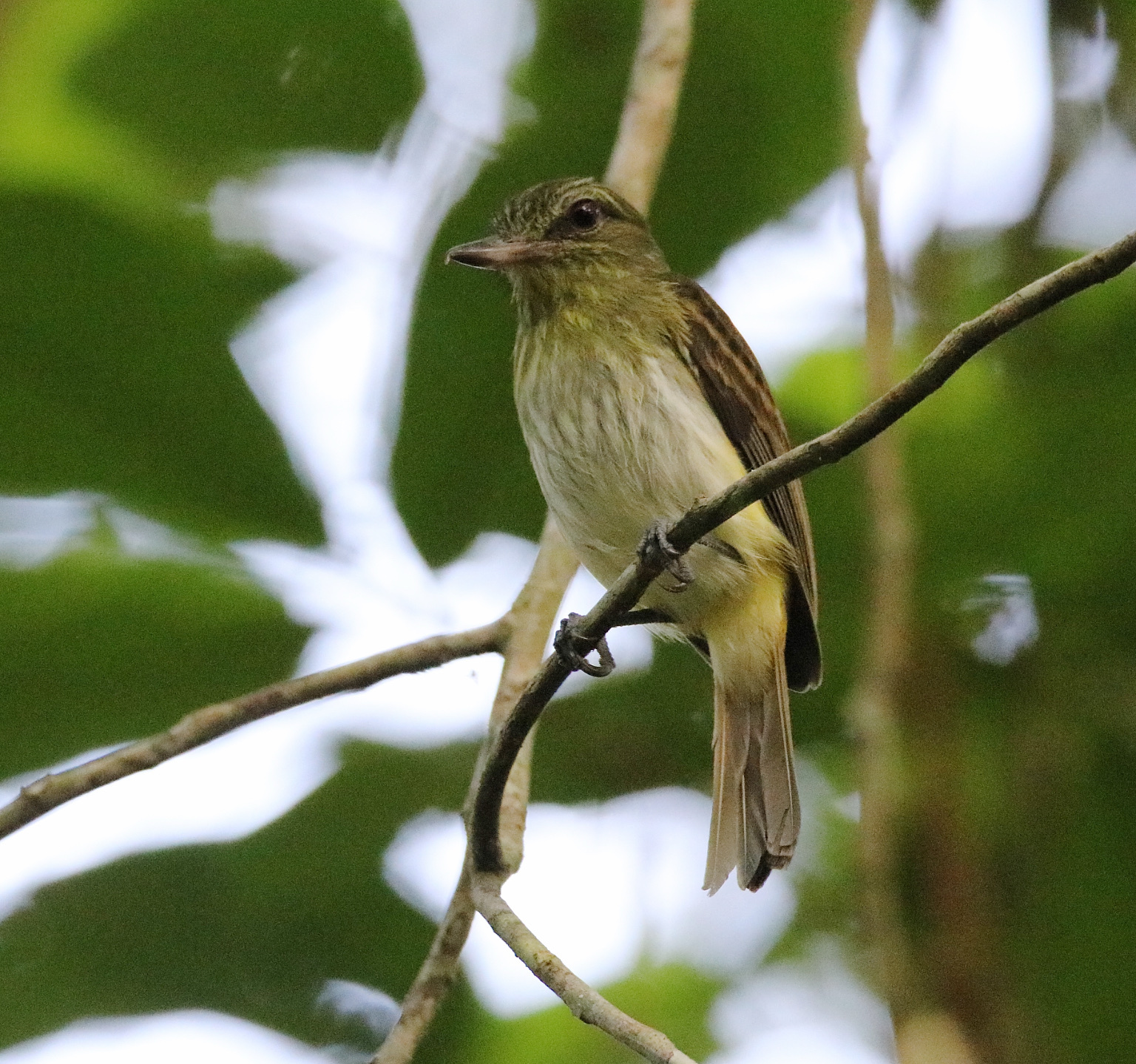 Bright-rumped Attila
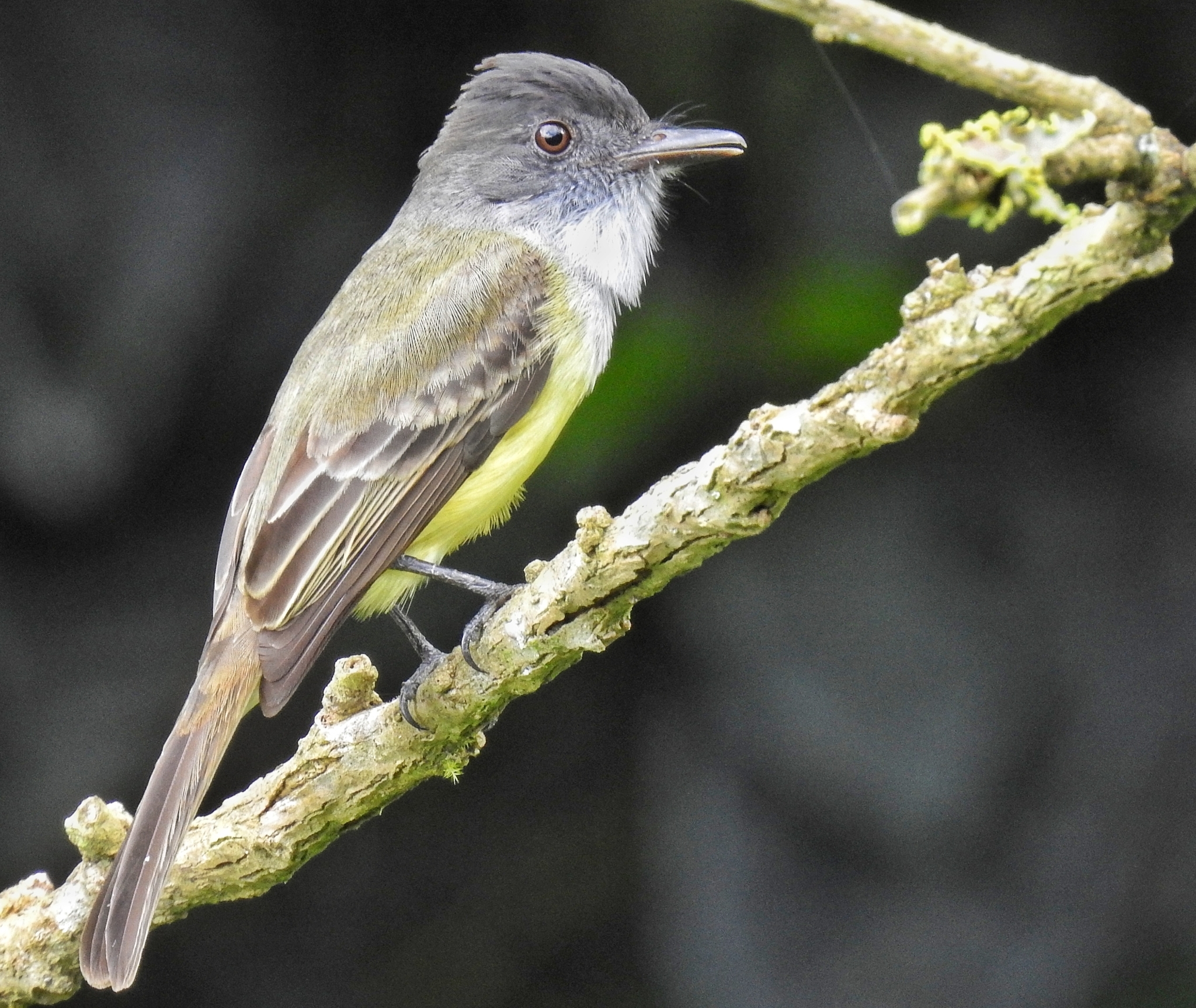 Dusky-capped Flycatcher
In short
The Bright-rumped Attila and Dusky-capped Flycatcher can be distinguished by their plumage and vocalizations. The Bright-rumped Attila has a distinctive bright rump and variable plumage, while the Dusky-capped Flycatcher is more uniform with a dusky cap. Vocalizations are also a key difference, as the Dusky-capped Flycatcher relies heavily on voice for species recognition.
Identification tips
- Look for the bright rump on the Bright-rumped Attila, absent in the Dusky-capped Flycatcher. 2. Note the plumage: Bright-rumped Attila can be olive-green or rufous, while the Dusky-capped Flycatcher has a consistent dusky cap. 3. Listen for vocalizations: Dusky-capped Flycatcher relies on voice for identification, with subtle differences among subspecies. 4. Observe behavior: Dusky-capped Flycatcher tends to be more secretive and territorial.
Size
Both species are similar in size, typical of medium-sized flycatchers within the Tyrant Flycatcher family.
Plumage
The Bright-rumped Attila shows a bright rump and can have polymorphic plumage with olive-green or rufous tones. In contrast, the Dusky-capped Flycatcher has a more uniform appearance with a dusky cap and lacks the bright rump.
Behaviour
The Dusky-capped Flycatcher is known for being secretive and maintaining territories year-round, often nesting in cavities. The Bright-rumped Attila's behavior is less documented in this context.
Habitat
The Bright-rumped Attila inhabits a wide range of forest types but avoids heavily disturbed areas. The Dusky-capped Flycatcher also prefers forested areas but is more adaptable to different environments.
Voice
The Dusky-capped Flycatcher uses vocalizations as a primary means of species recognition, with subtle differences among subspecies. The Bright-rumped Attila also has distinct vocalizations, with variations between Middle and South American populations.
Bright-rumped Attila · Dusky-capped Flycatcher · My Tricky Birds