
Broad-billed Hummingbird vs Berylline Hummingbird
Cynanthus latirostris versus Saucerottia beryllina
Play a quiz with Broad-billed Hummingbird and Berylline Hummingbird
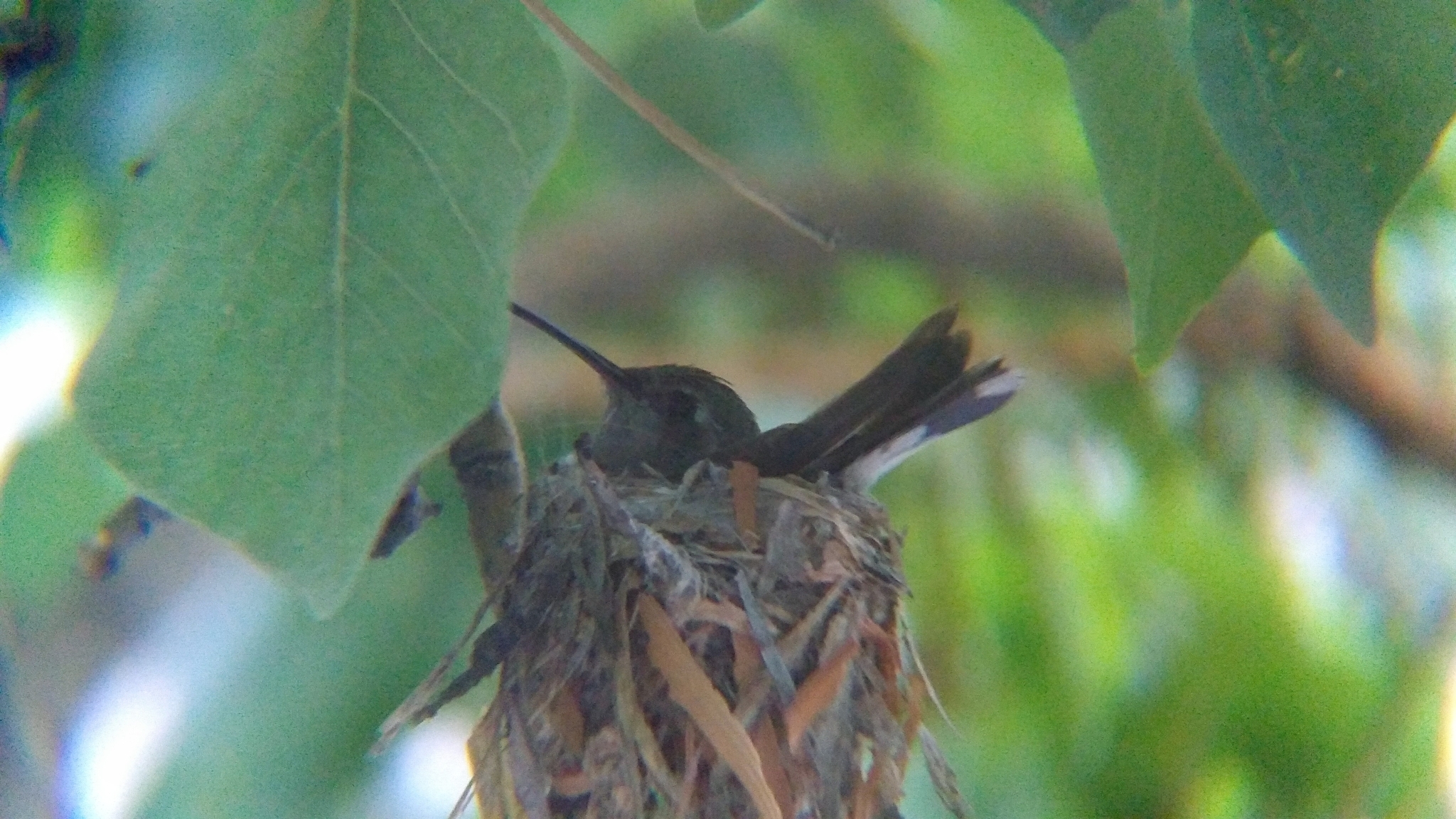 Broad-billed Hummingbird
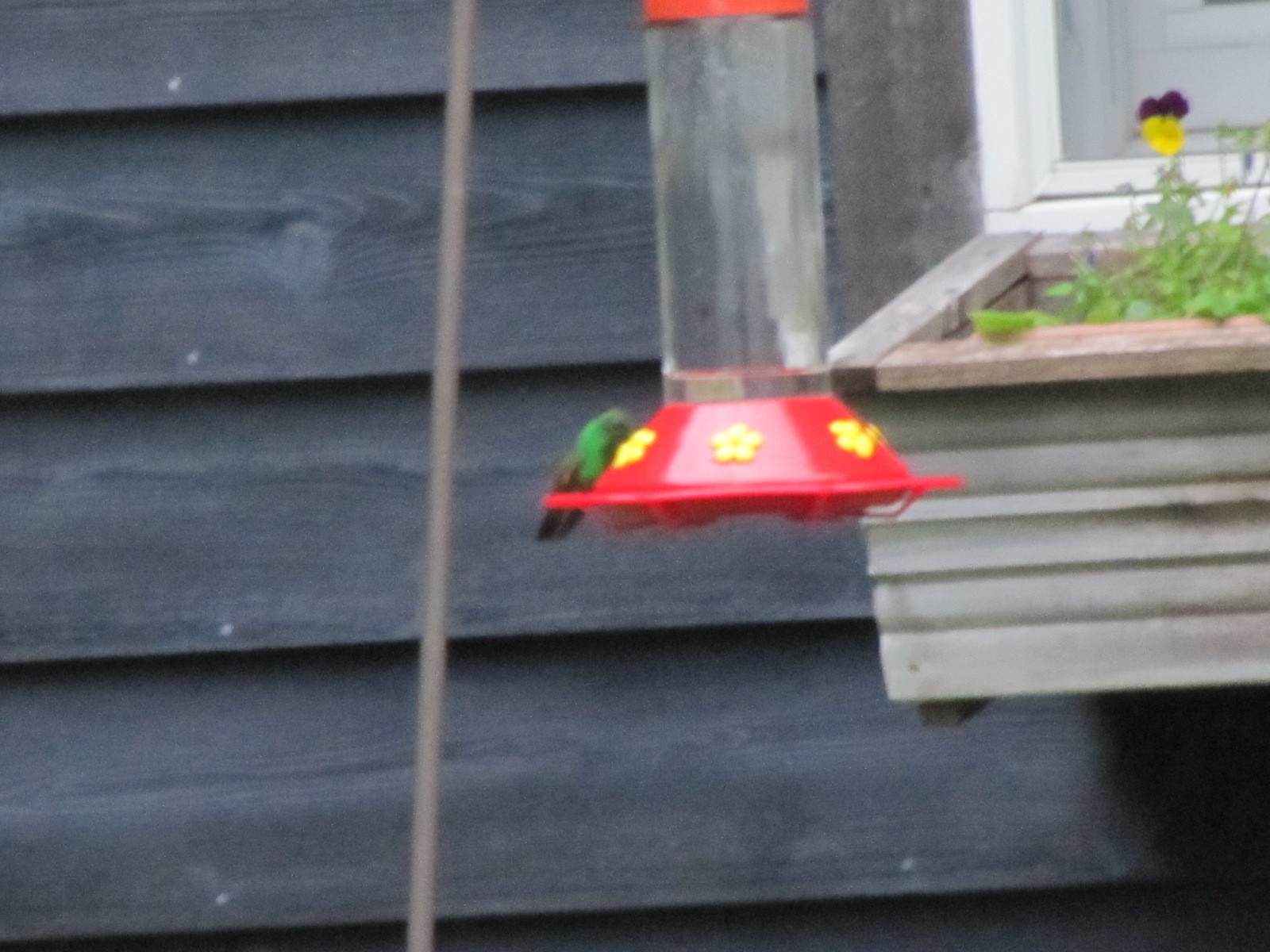 Berylline Hummingbird
In short
The Broad-billed Hummingbird (Cynanthus latirostris) and Berylline Hummingbird (Saucerottia beryllina) can be distinguished by bill color and plumage details. The Broad-billed has a distinctive bright red bill with a black tip, while the Berylline's bill is mostly dark. Plumage differences include the Broad-billed's more vivid blue throat compared to the Berylline's greenish tones.
Identification tips
- Look for the bright red bill with a black tip on the Broad-billed Hummingbird. 2. Check for the blue throat on the Broad-billed, contrasting with the Berylline's greenish throat. 3. Note the rufous wing patches on the Berylline. 4. Observe habitat: Broad-billed in arid, riparian zones; Berylline in forested areas.
Size
Both species are similar in size, typical of small hummingbirds, making size an unreliable distinguishing feature.
Plumage
The Broad-billed Hummingbird has a bright blue throat and a more metallic green body, while the Berylline Hummingbird displays a more uniform green with rufous wing patches. The Berylline lacks the vivid blue throat of the Broad-billed.
Behaviour
Both species are aggressive at feeders and flowers, but the Berylline is noted for its dominance in mixed-species gatherings.
Habitat
Broad-billed Hummingbirds are often found in arid regions with scrub and riparian areas, while Berylline Hummingbirds prefer oak and pine-oak forests, forest edges, and suburban gardens.
Voice
Vocalizations are not well-documented for either species, but both are known to produce typical hummingbird chatters and trills.
Broad-billed Hummingbird · Berylline Hummingbird · My Tricky Birds