Birdr

Brown-backed Whistler vs Grey Whistler

Pachycephala modesta versus Pachycephala simplex

Play a quiz with Brown-backed Whistler and Grey Whistler
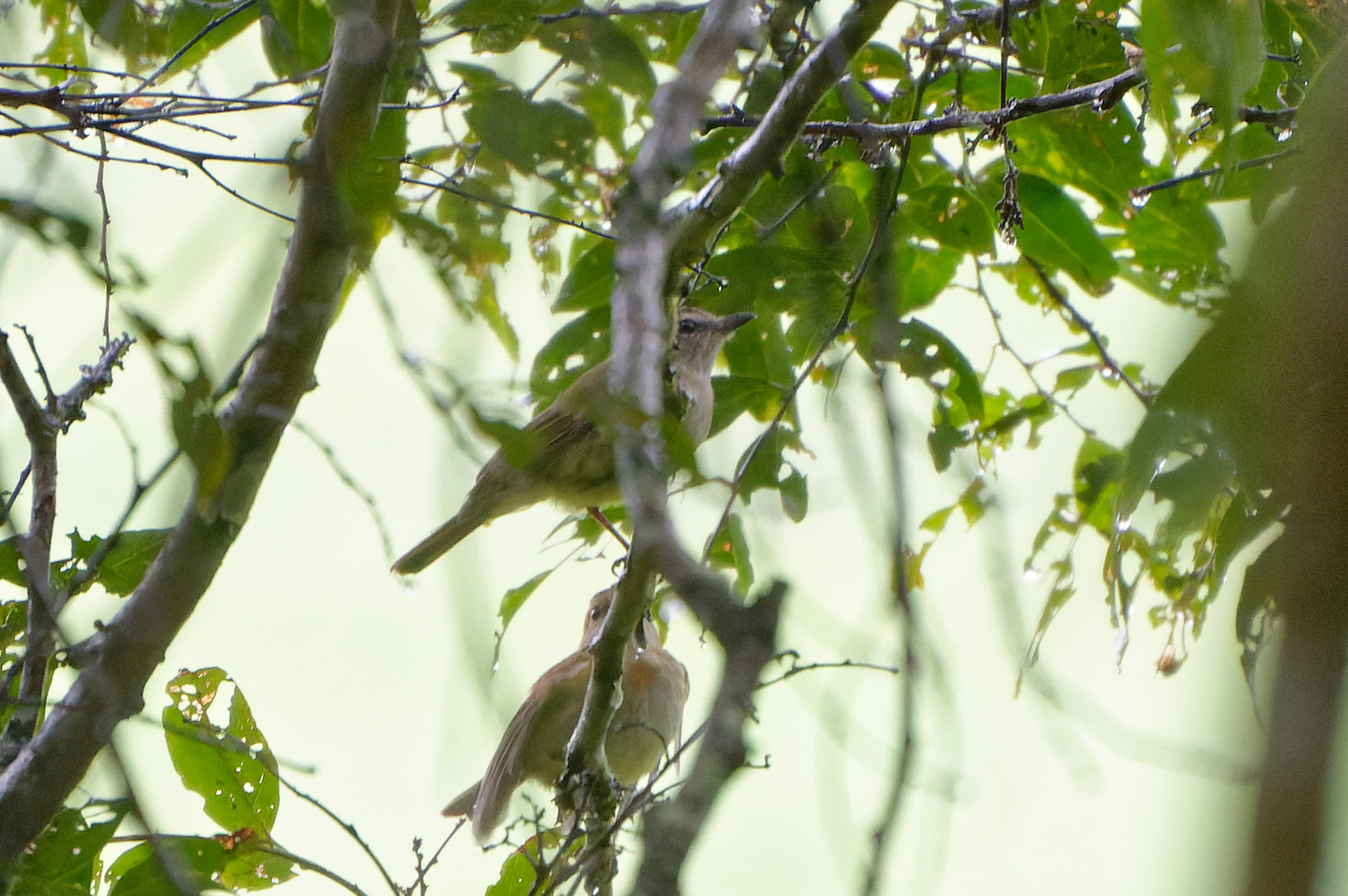
Brown-backed Whistler (Pachycephala modesta) Brown-backed Whistler
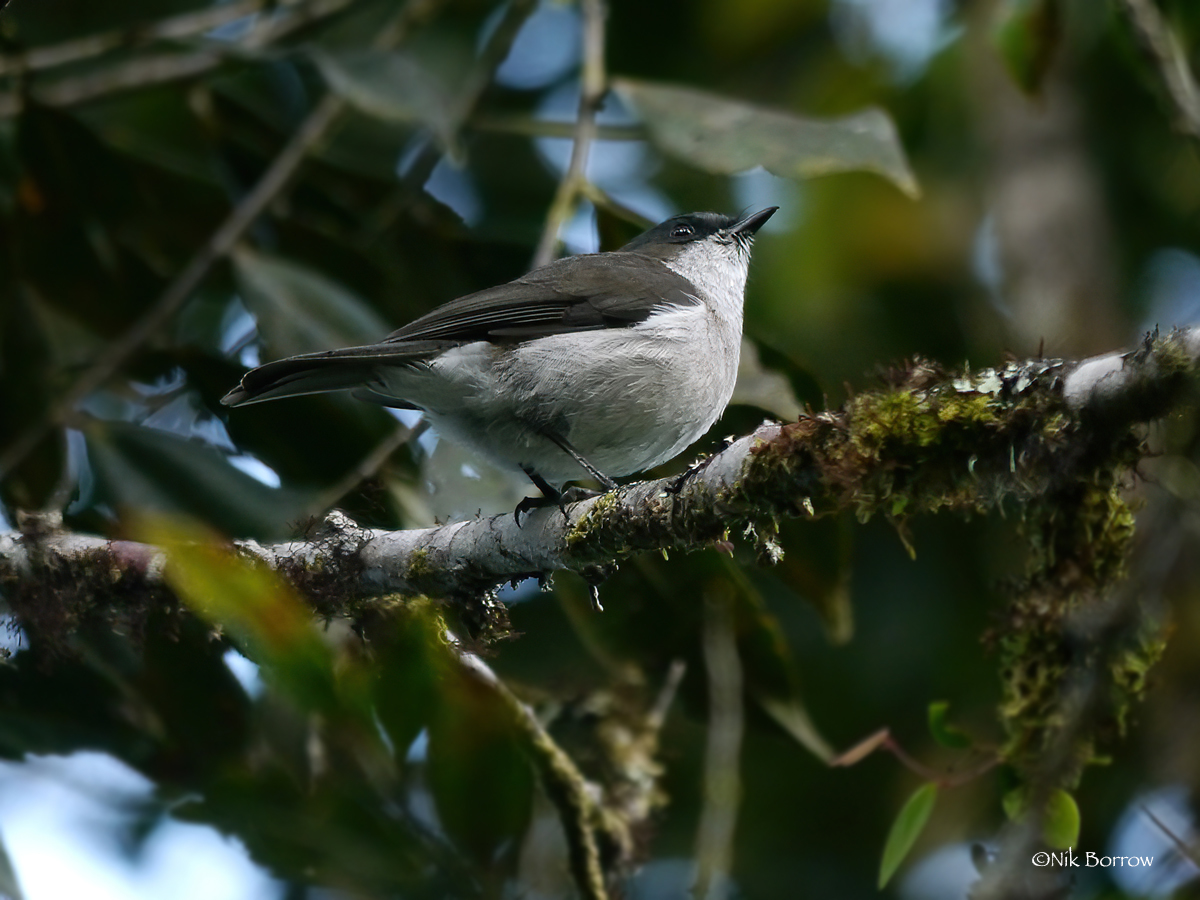
Grey Whistler (Pachycephala simplex) Grey Whistler

Media

Loading…

In short

The Brown-backed Whistler and Grey Whistler are similar in size and structure, but differ in plumage and habitat preferences. The Brown-backed Whistler has a more uniformly brown back, while the Grey Whistler tends to have a greyer appearance. Both species have similar vocalizations, making visual identification more reliable.

Identification tips

  1. Check the back color: Brown-backed Whistler has a brown back, while Grey Whistler appears more grey. 2. Observe habitat: Brown-backed Whistler is more likely in montane areas; Grey Whistler prefers lowland forests. 3. Use binoculars for plumage details: Look for the overall grey tone in Grey Whistler compared to the brown back of the Brown-backed Whistler.

Size

Both species are similar in size, typical of the Pachycephalidae family.

Plumage

The Brown-backed Whistler has a distinct brown back, which contrasts with its paler underparts. The Grey Whistler, as its name suggests, has a more grey-toned plumage overall, lacking the distinct brown back of the Brown-backed Whistler.

Behaviour

Behaviorally, both species are similar, often seen foraging in the mid to upper canopy.

Habitat

The Brown-backed Whistler is typically found in montane forests, while the Grey Whistler is more often associated with lowland and hill forests.

Voice

Vocalizations are similar between the two species, making it challenging to differentiate them by sound alone.

Submit a better description

Use the same sections as the comparison. Your text is published immediately.

The Brown-backed Whistler and Grey Whistler are similar in size and structure, but differ in plumage and habitat preferences. The Brown-backed Whistler has a more uniformly brown back, while the Grey Whistler tends to have a greyer appearance. Both species have similar vocalizations, making visual identification more reliable.

  1. Check the back color: Brown-backed Whistler has a brown back, while Grey Whistler appears more grey. 2. Observe habitat: Brown-backed Whistler is more likely in montane areas; Grey Whistler prefers lowland forests. 3. Use binoculars for plumage details: Look for the overall grey tone in Grey Whistler compared to the brown back of the Brown-backed Whistler.

Both species are similar in size, typical of the Pachycephalidae family.

The Brown-backed Whistler has a distinct brown back, which contrasts with its paler underparts. The Grey Whistler, as its name suggests, has a more grey-toned plumage overall, lacking the distinct brown back of the Brown-backed Whistler.

Behaviorally, both species are similar, often seen foraging in the mid to upper canopy.

The Brown-backed Whistler is typically found in montane forests, while the Grey Whistler is more often associated with lowland and hill forests.

Vocalizations are similar between the two species, making it challenging to differentiate them by sound alone.

Discard your changes?

You have unsaved edits. If you leave now, those changes will be lost.

Brown-backed Whistler · Grey Whistler · My Tricky Birds