Birdr

Brown-cheeked Rail vs Naumann's Thrush

Rallus indicus versus Turdus naumanni

Play a quiz with Brown-cheeked Rail and Naumann's Thrush
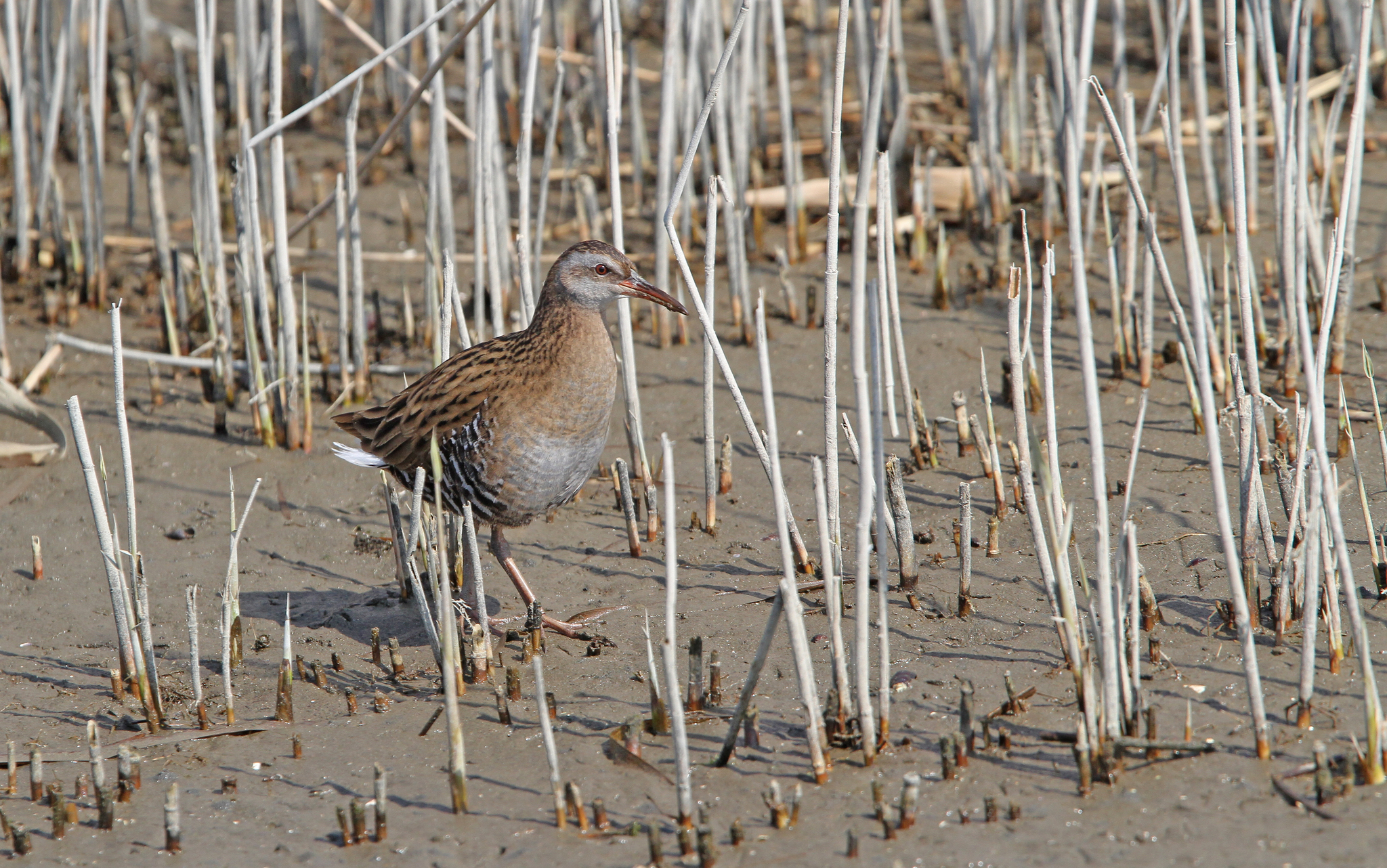
Brown-cheeked Rail (Rallus indicus) Brown-cheeked Rail
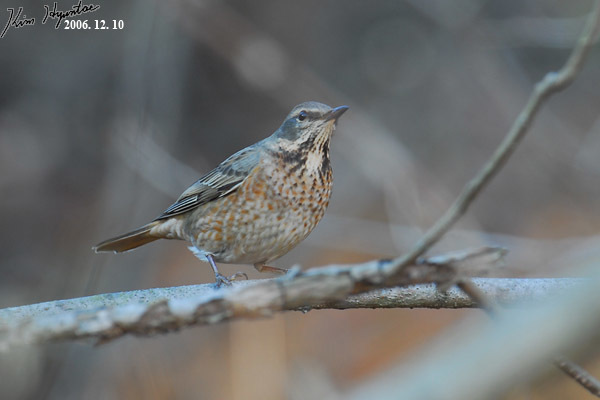
Naumann's Thrush (Turdus naumanni) Naumann's Thrush

Media

Loading…

In short

The Brown-cheeked Rail and Naumann's Thrush are easily distinguished by their structure and habitat preferences. The rail is a waterbird with a long bill and short tail, while the thrush is a passerine with a more typical songbird shape. Observing their environment is often the quickest way to tell them apart.

Identification tips

  1. Habitat: Check the environment; rails are in marshes, thrushes in woodlands. 2. Structure: Look for the rail's long bill and short tail versus the thrush's more typical songbird shape. 3. Plumage: Note the rail's uniform brown with brown cheeks against the thrush's varied browns and pale supercilium. 4. Behavior: Rails are secretive in dense vegetation, thrushes are more visible on the ground or in trees.

Size

The Brown-cheeked Rail is generally larger and more robust than Naumann's Thrush, with a longer body and bill.

Plumage

The Brown-cheeked Rail has a more uniform brown coloration with a distinctive brown cheek patch, while Naumann's Thrush features a more varied plumage with a mix of browns and grays, often with a reddish hue on the flanks and a pale supercilium.

Behaviour

Brown-cheeked Rails are typically seen skulking in dense marsh vegetation, while Naumann's Thrush is more likely to be observed foraging on the ground or in trees.

Habitat

Brown-cheeked Rails are found in wetlands and marshes, whereas Naumann's Thrush prefers open woodlands and forest edges.

Voice

The vocalizations of these species differ significantly; the rail produces a series of grunts and clicks, while the thrush has a more melodious song typical of thrushes.

Submit a better description

Use the same sections as the comparison. Your text is published immediately.

The Brown-cheeked Rail and Naumann's Thrush are easily distinguished by their structure and habitat preferences. The rail is a waterbird with a long bill and short tail, while the thrush is a passerine with a more typical songbird shape. Observing their environment is often the quickest way to tell them apart.

  1. Habitat: Check the environment; rails are in marshes, thrushes in woodlands. 2. Structure: Look for the rail's long bill and short tail versus the thrush's more typical songbird shape. 3. Plumage: Note the rail's uniform brown with brown cheeks against the thrush's varied browns and pale supercilium. 4. Behavior: Rails are secretive in dense vegetation, thrushes are more visible on the ground or in trees.

The Brown-cheeked Rail is generally larger and more robust than Naumann's Thrush, with a longer body and bill.

The Brown-cheeked Rail has a more uniform brown coloration with a distinctive brown cheek patch, while Naumann's Thrush features a more varied plumage with a mix of browns and grays, often with a reddish hue on the flanks and a pale supercilium.

Brown-cheeked Rails are typically seen skulking in dense marsh vegetation, while Naumann's Thrush is more likely to be observed foraging on the ground or in trees.

Brown-cheeked Rails are found in wetlands and marshes, whereas Naumann's Thrush prefers open woodlands and forest edges.

The vocalizations of these species differ significantly; the rail produces a series of grunts and clicks, while the thrush has a more melodious song typical of thrushes.

Discard your changes?

You have unsaved edits. If you leave now, those changes will be lost.

Brown-cheeked Rail · Naumann's Thrush · My Tricky Birds