Birdr

Brown-cheeked Rail vs Slaty-breasted Rail

Rallus indicus versus Lewinia striata

Play a quiz with Brown-cheeked Rail and Slaty-breasted Rail
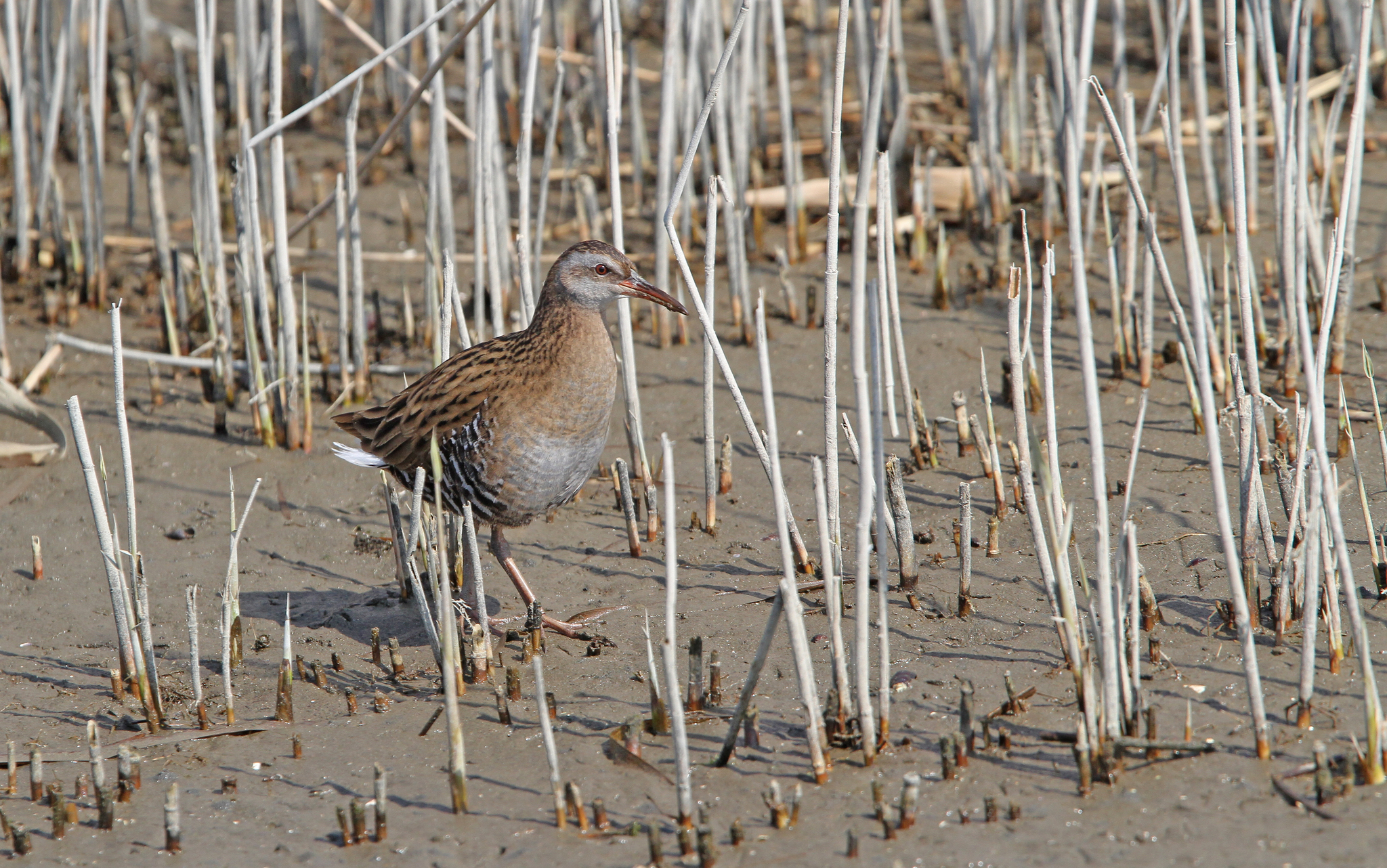
Brown-cheeked Rail (Rallus indicus) Brown-cheeked Rail
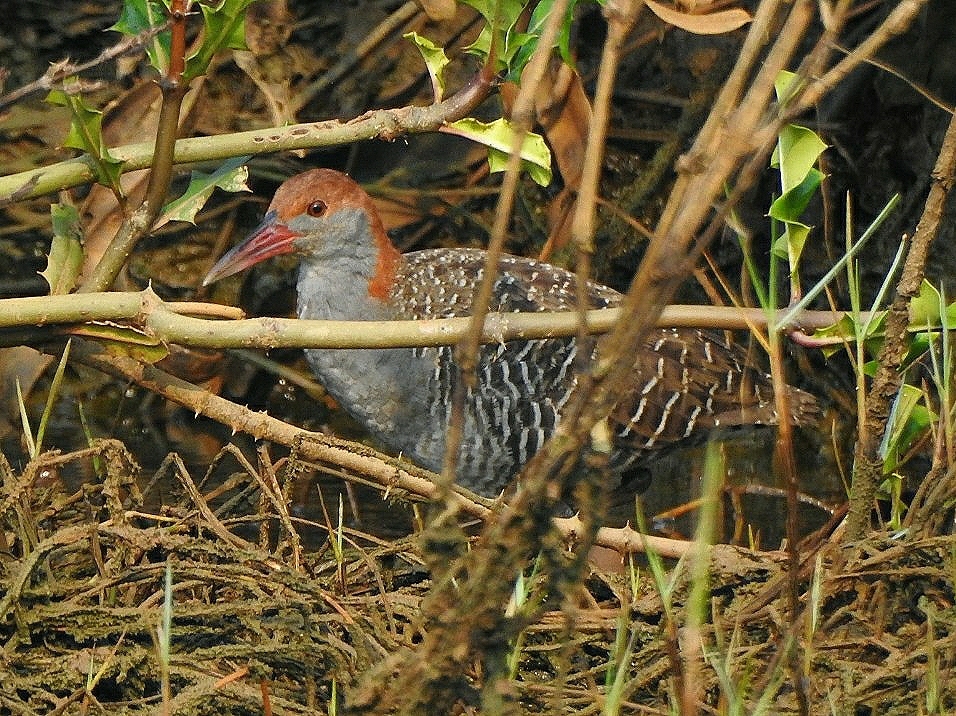
Slaty-breasted Rail (Lewinia striata) Slaty-breasted Rail

Media

Loading…

In short

The Brown-cheeked Rail and Slaty-breasted Rail can be distinguished by their facial markings and overall plumage tone. The Brown-cheeked Rail has a distinct brown cheek patch, while the Slaty-breasted Rail features a more uniform slaty-gray breast. Both species inhabit similar wetland environments, but their vocalizations and subtle plumage differences can aid in identification.

Identification tips

  1. Look for the brown cheek patch on the Brown-cheeked Rail. 2. Note the slaty-gray breast and more contrasting appearance of the Slaty-breasted Rail. 3. Listen for distinct vocalizations: grunts for Brown-cheeked Rail, varied calls for Slaty-breasted Rail. 4. Consider habitat and behavior, but focus on plumage and calls for reliable identification.

Size

Both species are similar in size, typical of medium-sized rails.

Plumage

The Brown-cheeked Rail has a brown cheek patch and a more uniform brownish body, while the Slaty-breasted Rail shows a slaty-gray breast with a more contrasting appearance. The Slaty-breasted Rail may also have more pronounced barring on the flanks.

Behaviour

Both species are secretive and often seen skulking in dense vegetation. Observing behavior alone may not be sufficient for identification.

Habitat

Both species prefer wetland habitats, such as marshes and reed beds, making habitat alone an unreliable distinguishing factor.

Voice

Vocalizations differ, with the Brown-cheeked Rail having a series of grunts and the Slaty-breasted Rail producing a more varied set of calls. Listening for these differences can be helpful.

Submit a better description

Use the same sections as the comparison. Your text is published immediately.

The Brown-cheeked Rail and Slaty-breasted Rail can be distinguished by their facial markings and overall plumage tone. The Brown-cheeked Rail has a distinct brown cheek patch, while the Slaty-breasted Rail features a more uniform slaty-gray breast. Both species inhabit similar wetland environments, but their vocalizations and subtle plumage differences can aid in identification.

  1. Look for the brown cheek patch on the Brown-cheeked Rail. 2. Note the slaty-gray breast and more contrasting appearance of the Slaty-breasted Rail. 3. Listen for distinct vocalizations: grunts for Brown-cheeked Rail, varied calls for Slaty-breasted Rail. 4. Consider habitat and behavior, but focus on plumage and calls for reliable identification.

Both species are similar in size, typical of medium-sized rails.

The Brown-cheeked Rail has a brown cheek patch and a more uniform brownish body, while the Slaty-breasted Rail shows a slaty-gray breast with a more contrasting appearance. The Slaty-breasted Rail may also have more pronounced barring on the flanks.

Both species are secretive and often seen skulking in dense vegetation. Observing behavior alone may not be sufficient for identification.

Both species prefer wetland habitats, such as marshes and reed beds, making habitat alone an unreliable distinguishing factor.

Vocalizations differ, with the Brown-cheeked Rail having a series of grunts and the Slaty-breasted Rail producing a more varied set of calls. Listening for these differences can be helpful.

Discard your changes?

You have unsaved edits. If you leave now, those changes will be lost.

Brown-cheeked Rail · Slaty-breasted Rail · My Tricky Birds