Birdr

Brown Shrike vs Burmese Shrike

Lanius cristatus versus Lanius collurioides

Play a quiz with Brown Shrike and Burmese Shrike
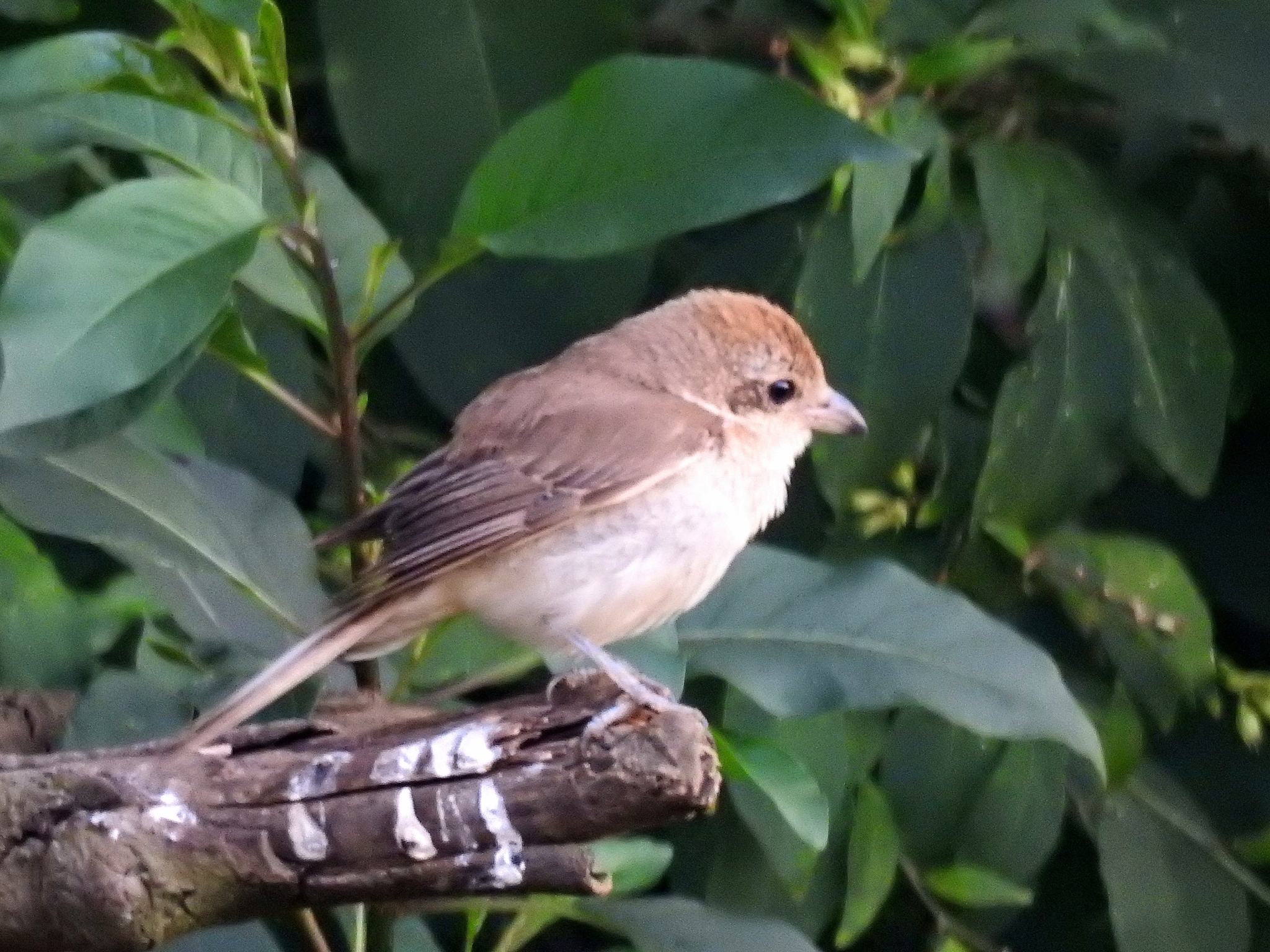
Brown Shrike (Lanius cristatus) Brown Shrike
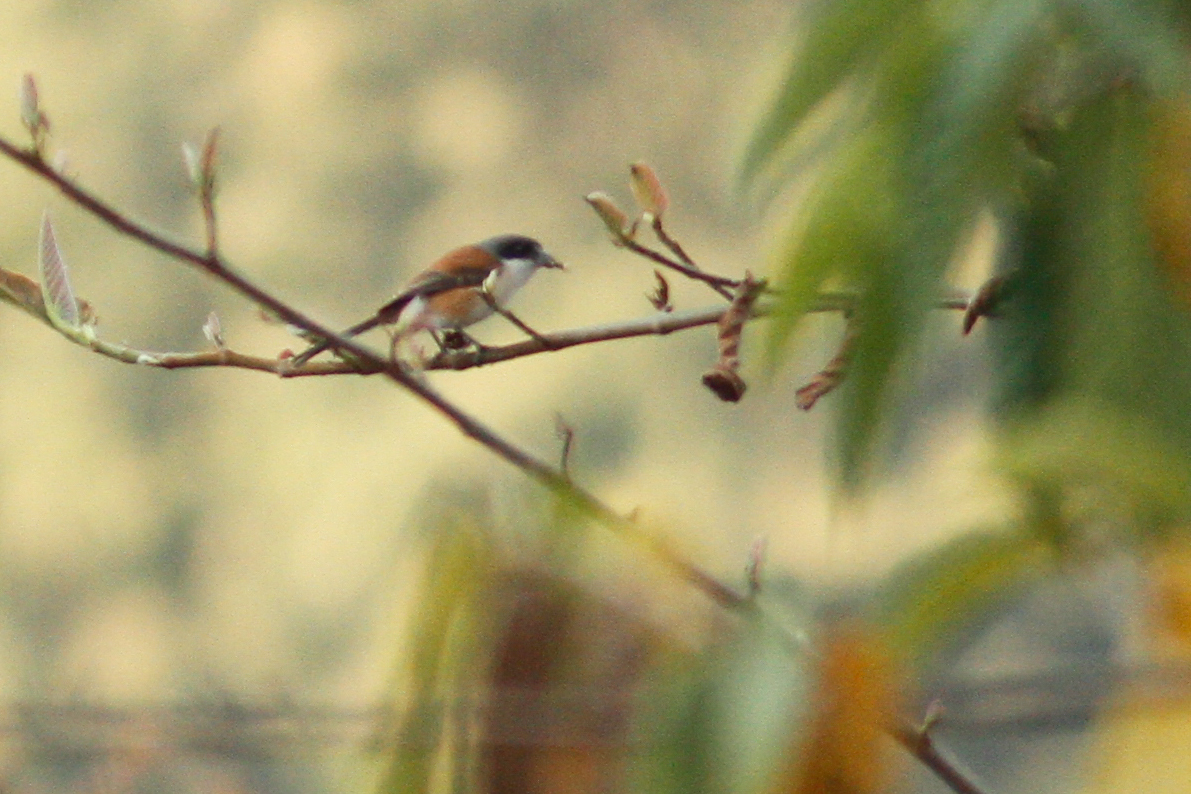
Burmese Shrike (Lanius collurioides) Burmese Shrike

Media

Loading…

In short

The Brown Shrike and Burmese Shrike can be distinguished by their head patterns and habitat preferences. The Brown Shrike typically has a more pronounced dark mask and a less contrasting back, while the Burmese Shrike often shows a more rufous back and a less distinct mask. Both species are similar in size and structure.

Identification tips

  1. Head pattern: Look for the more pronounced dark mask on the Brown Shrike. 2. Back color: Note the rufous back of the Burmese Shrike. 3. Habitat: Consider the habitat; Burmese Shrike is more likely in forested or higher elevation areas. 4. Season: Be aware of seasonal plumage changes, especially in juveniles, which can complicate identification.

Size

Both species are similar in size, typical of shrikes, with no significant differences in structure.

Plumage

The Brown Shrike generally has a more pronounced dark mask across the eyes and a less contrasting brown back. In contrast, the Burmese Shrike often displays a more rufous back and a less distinct facial mask.

Behaviour

Both species exhibit typical shrike behavior, hunting from exposed perches and diving to capture prey. No significant behavioral differences are noted.

Habitat

The Brown Shrike is often found in open habitats such as fields and gardens, whereas the Burmese Shrike prefers forest clearings, scrubby woodlands, and cultivated areas, often at higher elevations.

Voice

Vocalizations are not distinctly different between the two species, and they both have typical shrike calls.

Submit a better description

Use the same sections as the comparison. Your text is published immediately.

The Brown Shrike and Burmese Shrike can be distinguished by their head patterns and habitat preferences. The Brown Shrike typically has a more pronounced dark mask and a less contrasting back, while the Burmese Shrike often shows a more rufous back and a less distinct mask. Both species are similar in size and structure.

  1. Head pattern: Look for the more pronounced dark mask on the Brown Shrike. 2. Back color: Note the rufous back of the Burmese Shrike. 3. Habitat: Consider the habitat; Burmese Shrike is more likely in forested or higher elevation areas. 4. Season: Be aware of seasonal plumage changes, especially in juveniles, which can complicate identification.

Both species are similar in size, typical of shrikes, with no significant differences in structure.

The Brown Shrike generally has a more pronounced dark mask across the eyes and a less contrasting brown back. In contrast, the Burmese Shrike often displays a more rufous back and a less distinct facial mask.

Both species exhibit typical shrike behavior, hunting from exposed perches and diving to capture prey. No significant behavioral differences are noted.

The Brown Shrike is often found in open habitats such as fields and gardens, whereas the Burmese Shrike prefers forest clearings, scrubby woodlands, and cultivated areas, often at higher elevations.

Vocalizations are not distinctly different between the two species, and they both have typical shrike calls.

Discard your changes?

You have unsaved edits. If you leave now, those changes will be lost.

Brown Shrike · Burmese Shrike · My Tricky Birds