
Buff-breasted Flycatcher vs American Tree Sparrow
Empidonax fulvifrons versus Spizelloides arborea
Play a quiz with Buff-breasted Flycatcher and American Tree Sparrow
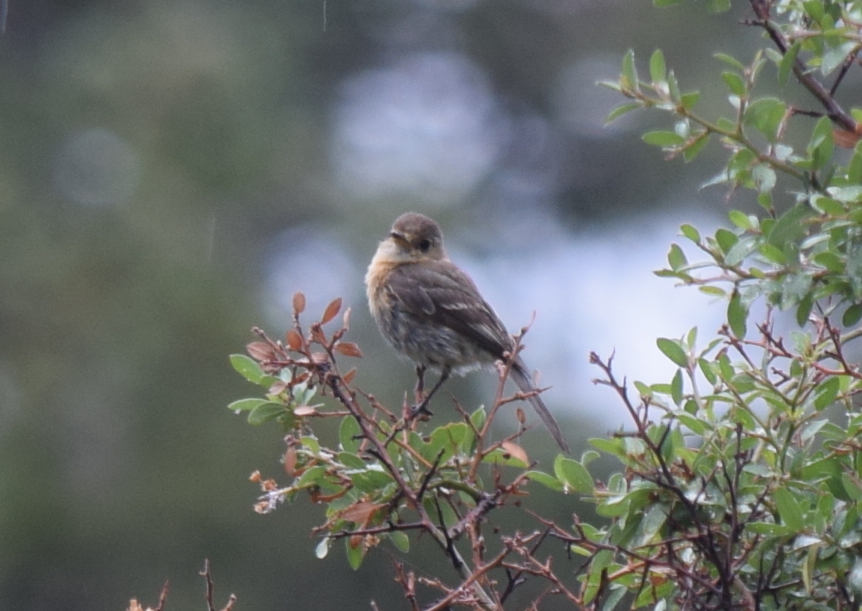 Buff-breasted Flycatcher
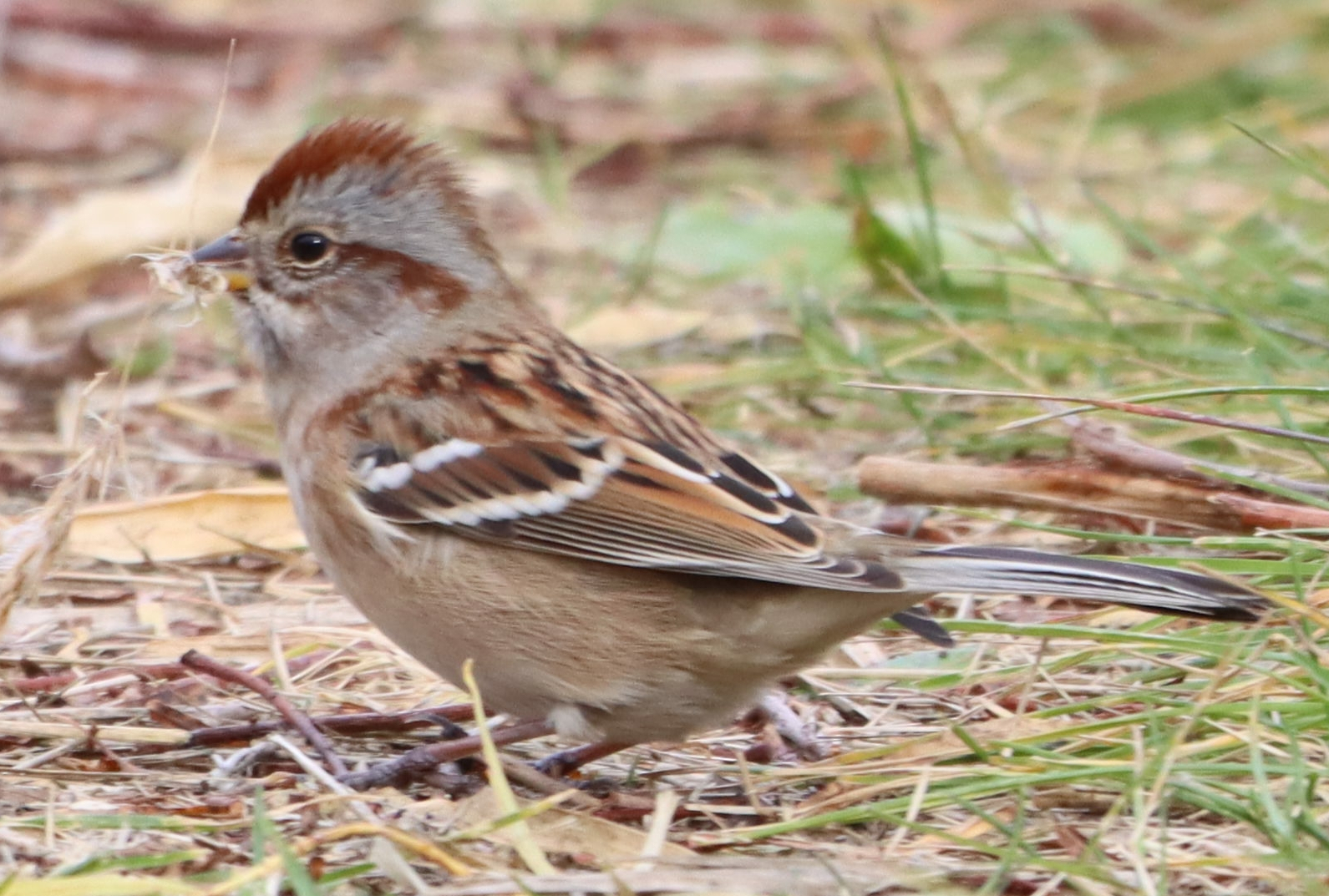 American Tree Sparrow
In short
The Buff-breasted Flycatcher and the American Tree Sparrow are distinct in both appearance and habitat. The flycatcher is a small, agile bird of pine-oak woodlands, while the sparrow is a larger, ground-foraging bird of open areas. Key differences include the flycatcher's buffy underparts and the sparrow's rufous cap and bicolored bill.
Identification tips
- Buff-breasted Flycatcher: Look for buffy underparts and a small, agile form in pine-oak woodlands.
- American Tree Sparrow: Note the rufous cap, gray face, and bicolored bill in open, shrubby areas.
- Behavior: Flycatchers are more aerial, while sparrows forage on the ground.
Size
The Buff-breasted Flycatcher is smaller and more delicate than the American Tree Sparrow.
Plumage
The Buff-breasted Flycatcher has buffy underparts and a more uniform brownish-olive back, while the American Tree Sparrow features a distinctive rufous cap, gray face, and a bicolored bill. The sparrow's underparts are generally gray with a central dark spot on the breast.
Behaviour
Buff-breasted Flycatchers are often seen flitting actively in open woodlands, catching insects mid-air. American Tree Sparrows are more likely to be found foraging on the ground or in low vegetation.
Habitat
Buff-breasted Flycatchers prefer open pine-oak woodlands and montane riparian forests, while American Tree Sparrows are found in open, shrubby areas, especially during winter.
Voice
The Buff-breasted Flycatcher's call is a sharp 'pit' or 'pip', while the American Tree Sparrow's song is a musical series of notes, often ending in a trill.
Buff-breasted Flycatcher · American Tree Sparrow · My Tricky Birds