
Buff-breasted Flycatcher vs Say's Phoebe
Empidonax fulvifrons versus Sayornis saya
Play a quiz with Buff-breasted Flycatcher and Say's Phoebe
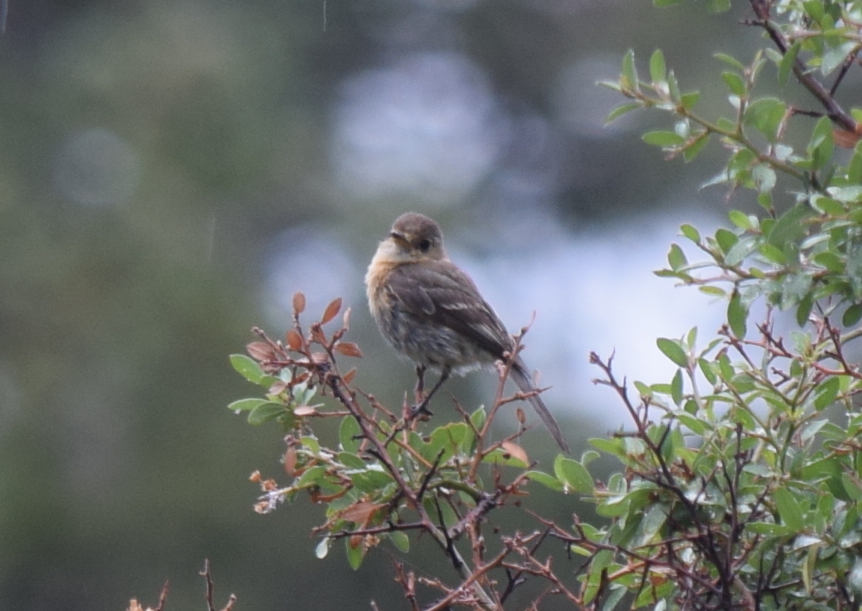 Buff-breasted Flycatcher
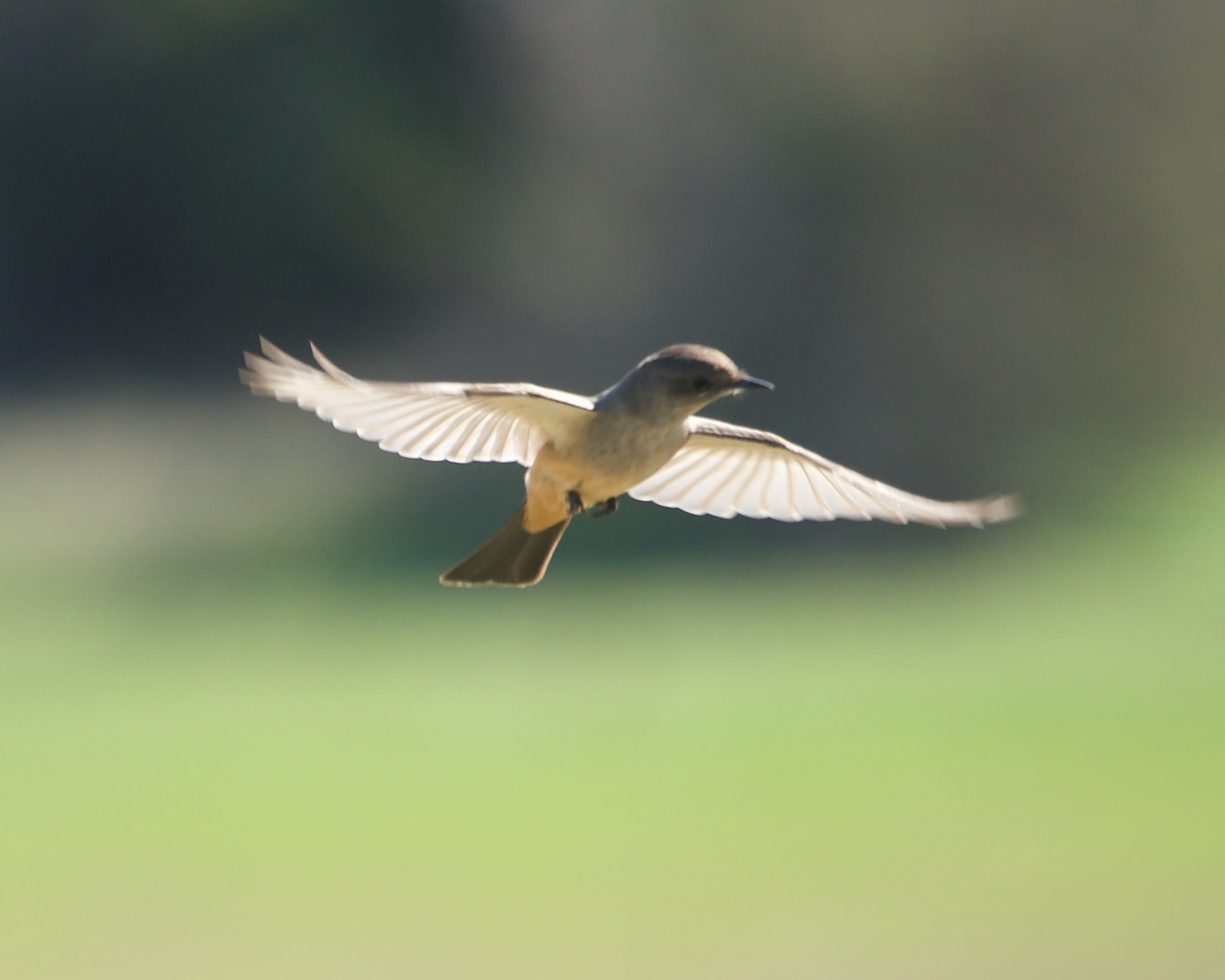 Say's Phoebe
In short
The Buff-breasted Flycatcher and Say's Phoebe can be distinguished by their habitat preferences and plumage. The Buff-breasted Flycatcher is typically found in montane pine-oak woodlands, while Say's Phoebe prefers open country like sagebrush plains. Plumage differences include the Buff-breasted Flycatcher's buffy breast and Say's Phoebe's cinnamon belly.
Identification tips
- Habitat: Check the surroundings; pine-oak woodlands suggest Buff-breasted Flycatcher, while open plains suggest Say's Phoebe.
- Plumage: Look for the buffy breast of the Buff-breasted Flycatcher versus the cinnamon belly of Say's Phoebe.
- Behavior: Observe foraging behavior; Say's Phoebe may hover-glean insects from the ground.
Size
Both species are similar in size, typical of small flycatchers, but Say's Phoebe may appear slightly larger and more robust.
Plumage
The Buff-breasted Flycatcher has a buffy breast and a generally lighter appearance, while Say's Phoebe features a drab gray-brown back and a distinctive cinnamon-colored belly.
Behaviour
Say's Phoebe often hovers to glean insects from the ground, a behavior less commonly observed in the Buff-breasted Flycatcher.
Habitat
Buff-breasted Flycatchers prefer montane pine-oak woodlands, whereas Say's Phoebes are found in open country such as sagebrush plains and barren foothills.
Voice
Say's Phoebe is noted for its melancholy call, which is distinct from the Buff-breasted Flycatcher's vocalizations.