
Bull-headed Shrike vs Red-backed Shrike
Lanius bucephalus versus Lanius collurio
Play a quiz with Bull-headed Shrike and Red-backed Shrike
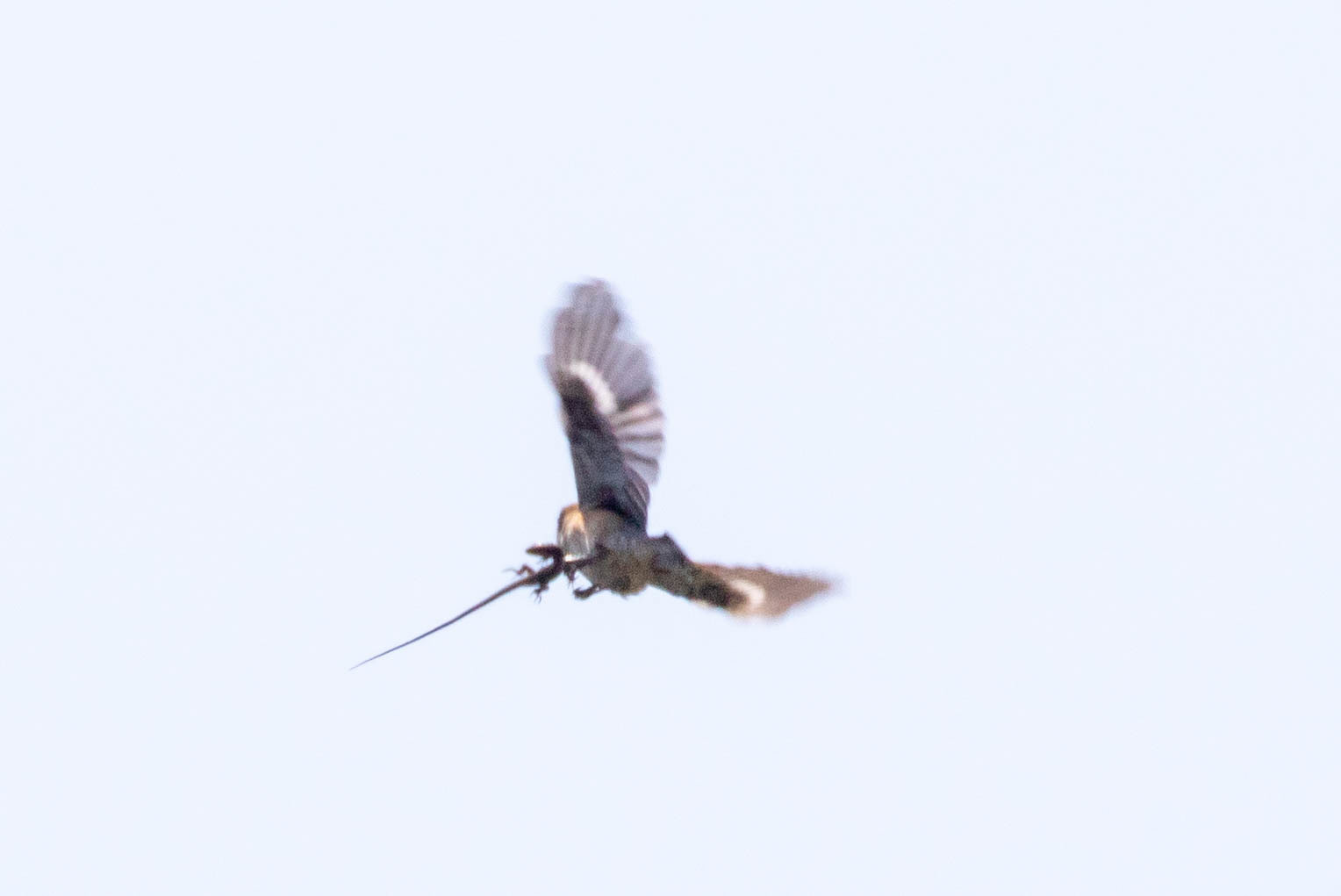 Bull-headed Shrike
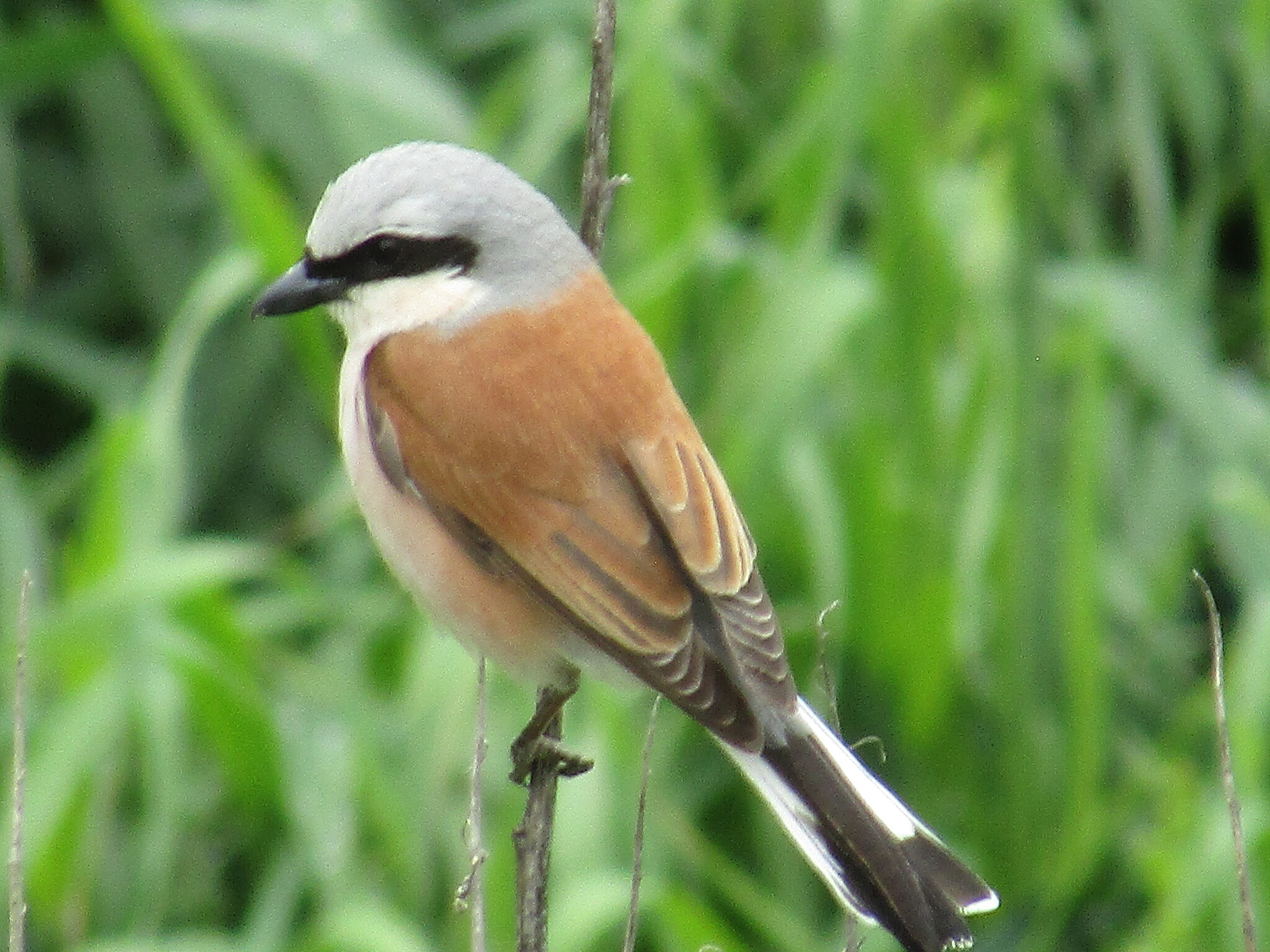 Red-backed Shrike
In short
The Bull-headed Shrike and Red-backed Shrike are both small predatory birds with similar body shapes but differ in key plumage features and habitats. The Bull-headed Shrike has a more robust appearance with a larger head, while the Red-backed Shrike is slimmer with distinct sexual dimorphism in plumage. Observing their preferred habitats and vocalizations can also aid in identification.
Identification tips
1. Head and Mask: Look for the Bull-headed Shrike's larger head and less pronounced mask compared to the Red-backed Shrike's distinct black mask. 2. Back Color: Note the Bull-headed Shrike's greyish-brown back versus the male Red-backed Shrike's rufous back. 3. Habitat: Consider the habitat; Bull-headed Shrikes are more common in East Asian woodlands, while Red-backed Shrikes favor European open countryside. 4. Vocalizations: Listen for the Bull-headed Shrike's harsh calls compared to the more varied song of the Red-backed Shrike.
Size
Both species are similar in size, but the Bull-headed Shrike appears bulkier due to its larger head and more robust body.
Plumage
The Bull-headed Shrike has a greyish-brown back and a distinct black mask extending from the bill through the eye. In contrast, the male Red-backed Shrike has a striking rufous back and a more pronounced black mask, while females and juveniles are more subdued in color, with brownish tones and less distinct masks.
Behaviour
Both species exhibit typical shrike behavior, such as perching conspicuously and impaling prey. The Bull-headed Shrike may appear more aggressive and territorial.
Habitat
The Bull-headed Shrike is often found in open woodlands, farmlands, and gardens, particularly in East Asia. The Red-backed Shrike prefers open countryside with scattered bushes and hedgerows, primarily in Europe and western Asia.
Voice
The Bull-headed Shrike's call is a harsh, repeated 'chack' or 'kek', while the Red-backed Shrike has a more varied song with melodious phrases interspersed with harsh notes.