
Calliope Hummingbird vs Berylline Hummingbird
Selasphorus calliope versus Saucerottia beryllina
Play a quiz with Calliope Hummingbird and Berylline Hummingbird
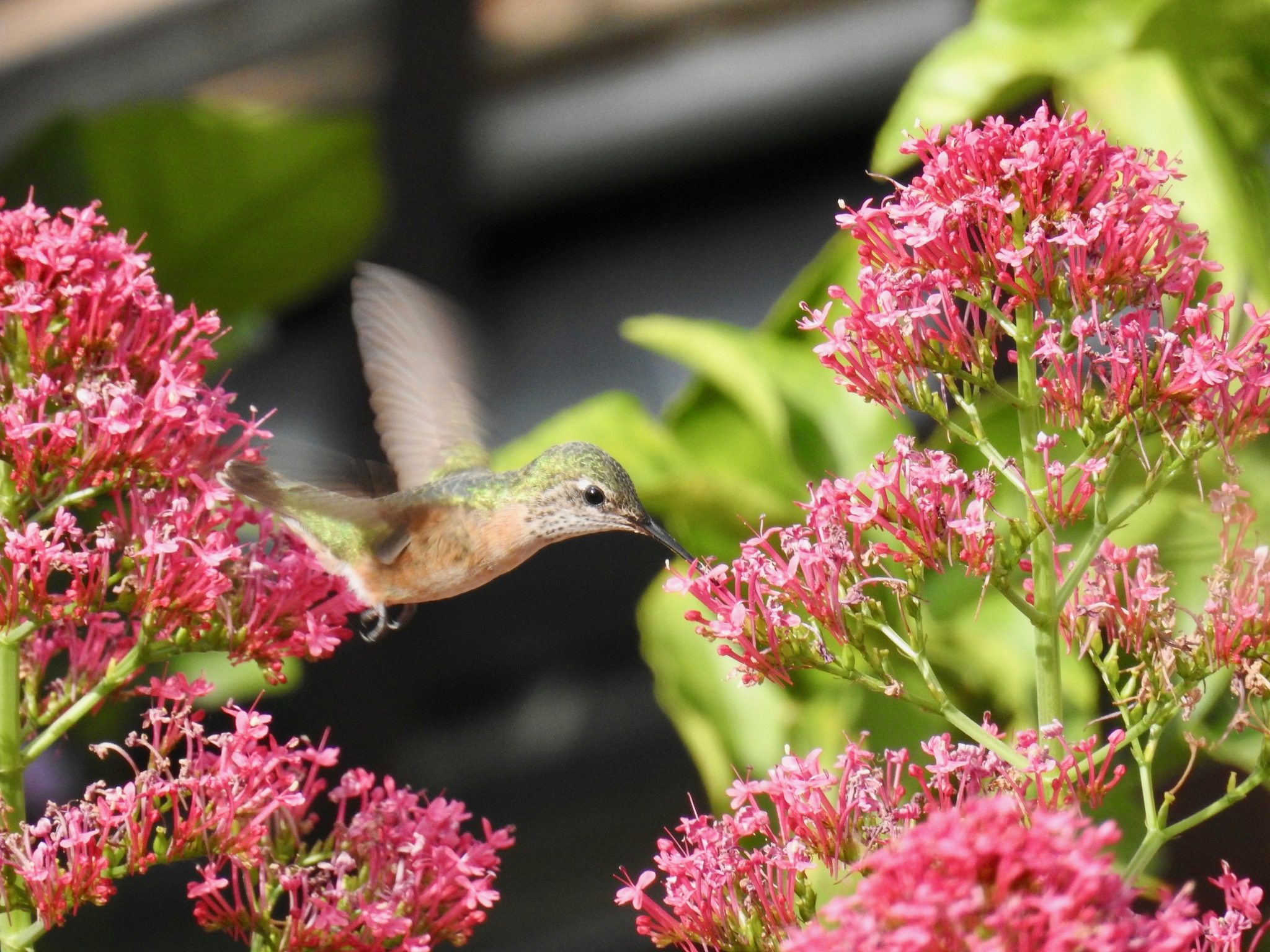 Calliope Hummingbird
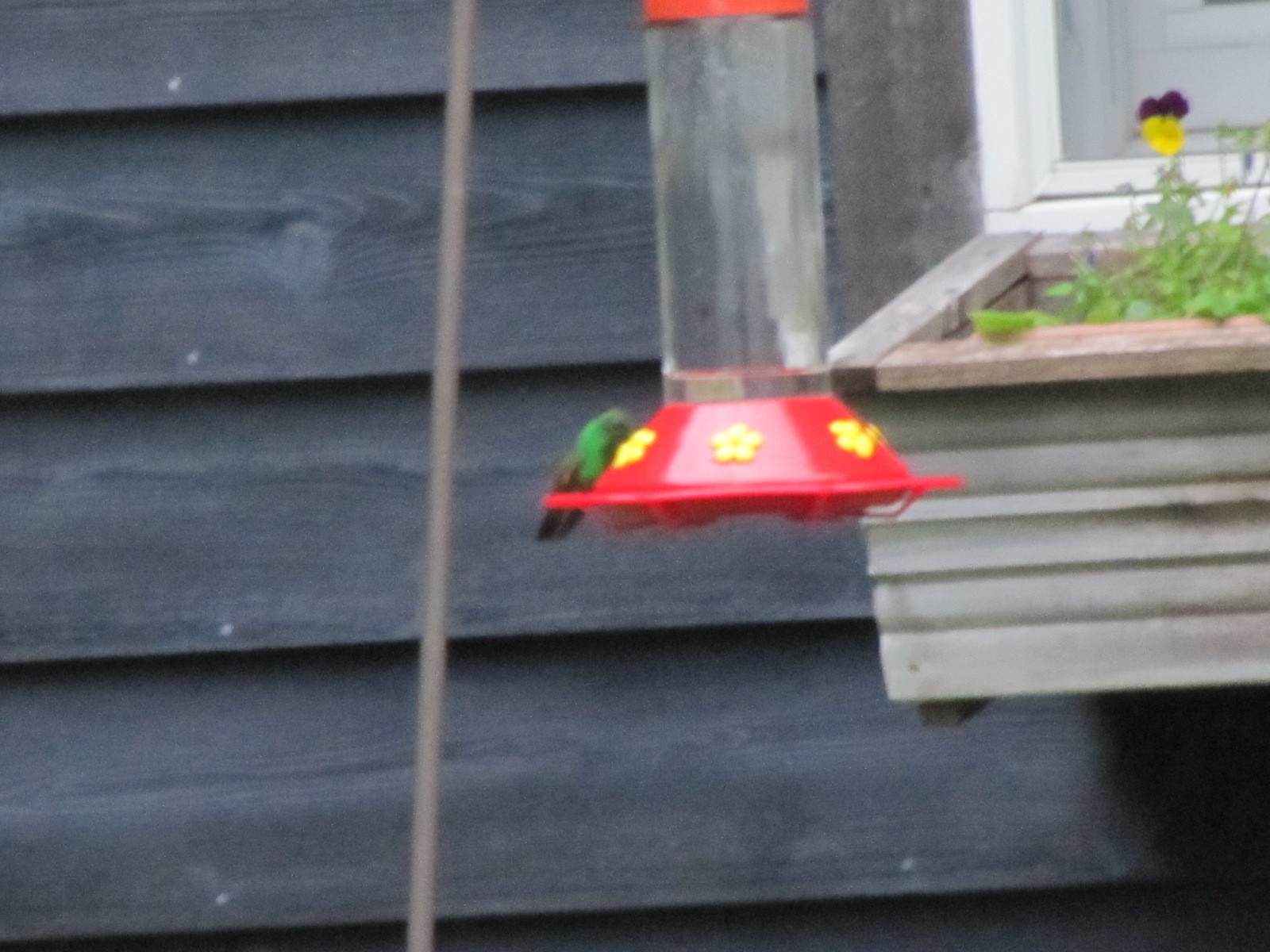 Berylline Hummingbird
In short
The Calliope Hummingbird is the smallest bird in North America, distinguishable by its short bill and unique gorget pattern. The Berylline Hummingbird, larger and more robust, features a distinct rufous wing patch and a more uniform green body. Both species can be seen in different habitats, with the Calliope favoring mountainous areas and the Berylline preferring oak and pine-oak forests.
Identification tips
- Size and structure: Note the smaller size and shorter bill of the Calliope Hummingbird.
- Gorget pattern: Look for the magenta streaks on the Calliope's throat compared to the Berylline's more uniform green.
- Wing patches: Berylline Hummingbirds have rufous wing patches that are absent in Calliopes.
- Habitat preference: Consider the habitat; Calliopes prefer mountainous areas, while Beryllines are found in forested and suburban areas.
Size
The Calliope Hummingbird is notably smaller than the Berylline Hummingbird, with a more compact body and shorter bill.
Plumage
Calliope Hummingbirds have a striking magenta gorget that appears as streaks, while Berylline Hummingbirds show a more uniform green plumage with rufous wing patches.
Behaviour
Berylline Hummingbirds often gather in the tops of flowering trees and demonstrate dominance, whereas Calliope Hummingbirds are less aggressive and more solitary.
Habitat
Calliope Hummingbirds are typically found in mountainous regions, while Berylline Hummingbirds inhabit oak and pine-oak forests, forest edges, and suburban gardens.
Voice
Vocalizations are not a primary distinguishing feature between these two species, and specific differences are not well-documented.
Calliope Hummingbird · Berylline Hummingbird · My Tricky Birds