Birdr

Carolina Wren vs Mourning Warbler

Thryothorus ludovicianus versus Geothlypis philadelphia

Play a quiz with Carolina Wren and Mourning Warbler
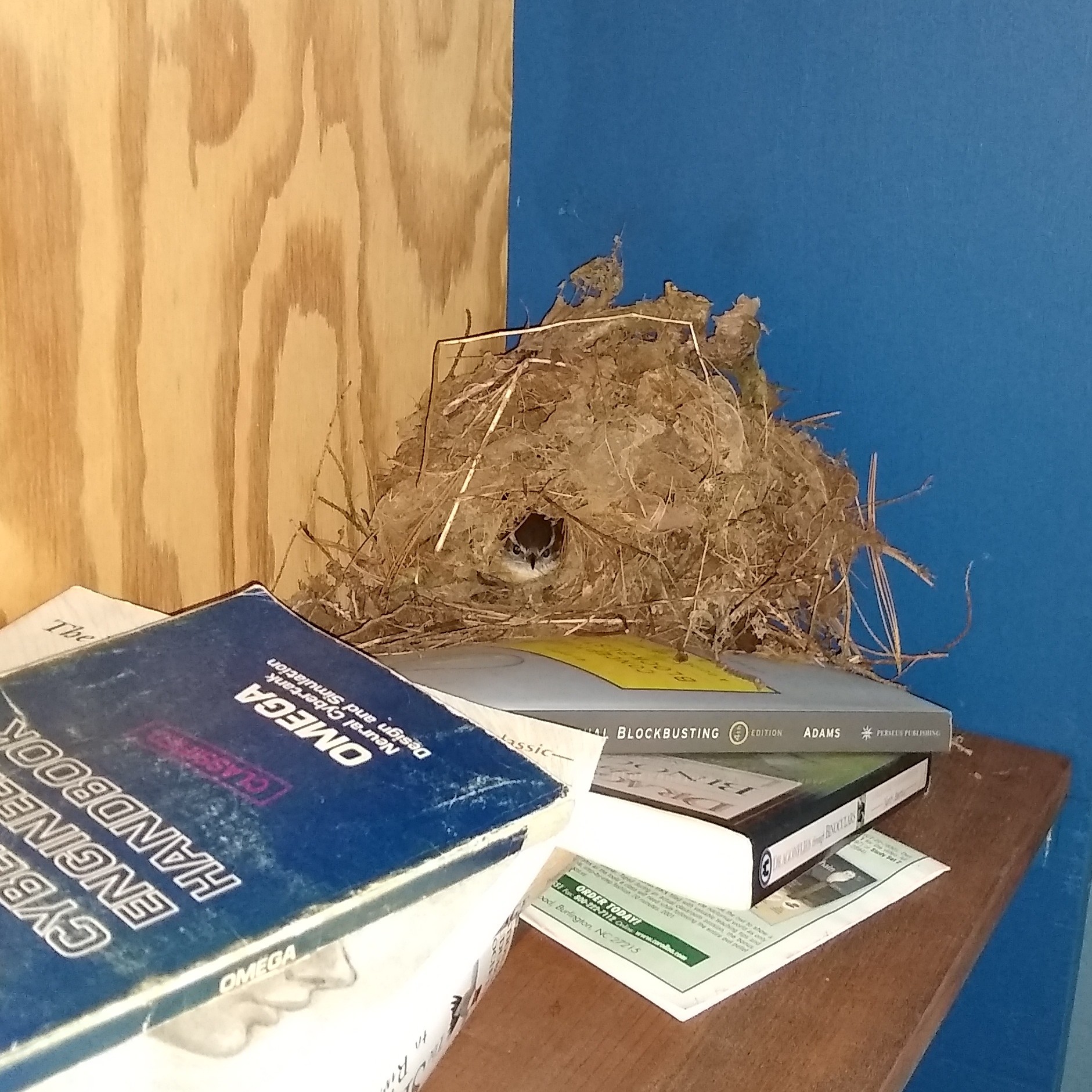
Carolina Wren (Thryothorus ludovicianus) Carolina Wren
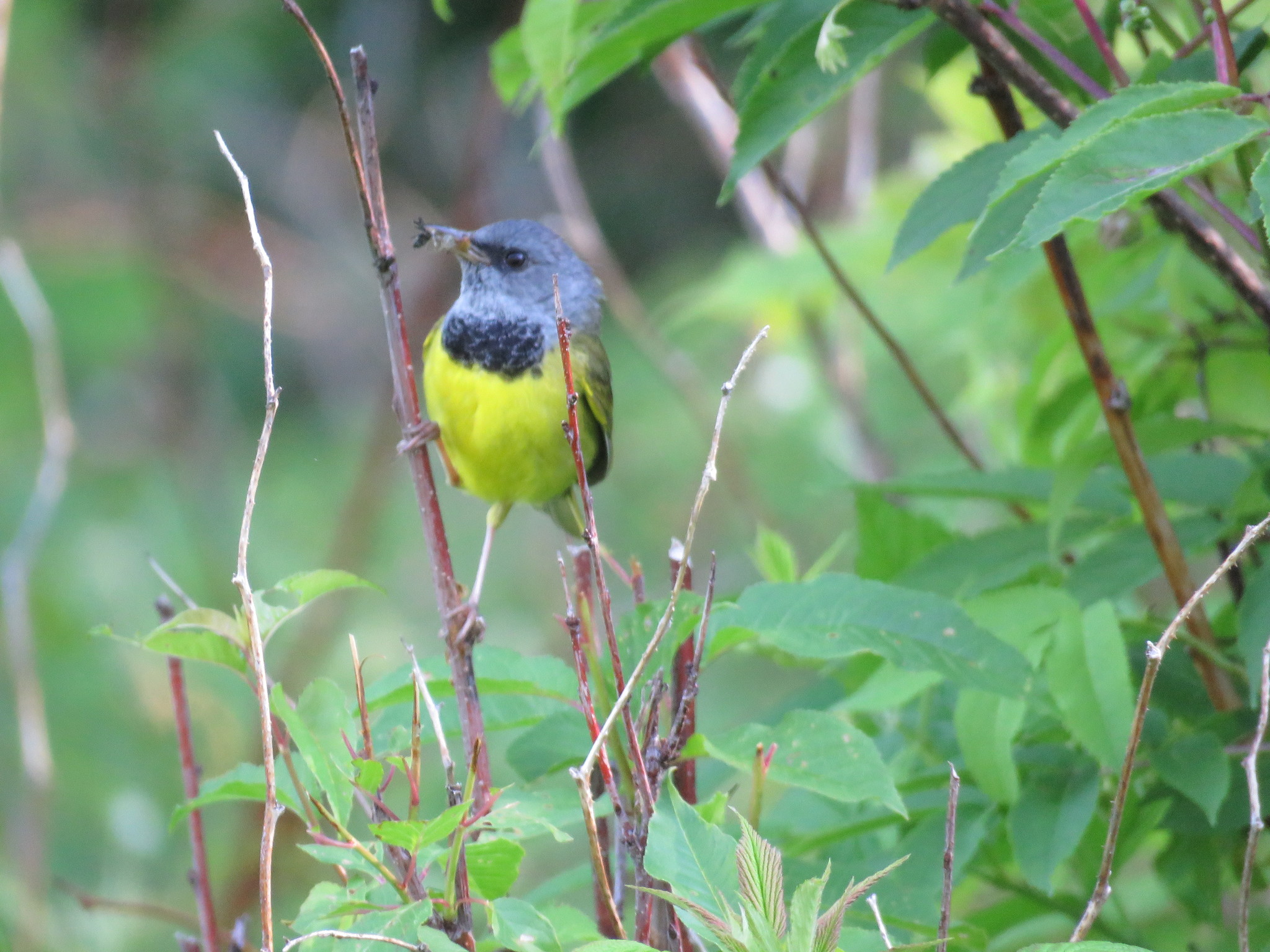
Mourning Warbler (Geothlypis philadelphia) Mourning Warbler

Media

Loading…

In short

The Carolina Wren and Mourning Warbler can be distinguished by their size, plumage, and habitat preferences. The Carolina Wren is a small, rusty bird with a distinct white eye-stripe, often found in the eastern US. The Mourning Warbler, slightly smaller, has a more uniform olive-green plumage with a gray hood and is seen in dense undergrowth during migration.

Identification tips

  1. Eye-stripe: Look for the Carolina Wren's distinct white eye-stripe. 2. Plumage: Note the rusty and cinnamon tones of the Carolina Wren versus the olive-green and gray hood of the Mourning Warbler. 3. Habitat: Consider the habitat; Carolina Wrens are more likely in open woods and gardens, while Mourning Warblers prefer dense undergrowth. 4. Song: Listen for the loud, varied song of the Carolina Wren compared to the rolling song of the Mourning Warbler.

Size

The Carolina Wren is generally larger than the Mourning Warbler, with a more robust build.

Plumage

Carolina Wren has rusty upperparts and cinnamon underparts with a prominent white eye-stripe. Mourning Warbler has olive-green upperparts, yellow underparts, and a gray hood, lacking the white eye-stripe.

Behaviour

Carolina Wrens are often seen foraging near the ground or climbing like creepers. Mourning Warblers are more secretive, often skulking in dense undergrowth.

Habitat

Carolina Wrens are found in wooded areas and gardens in the eastern US. Mourning Warblers prefer dense, shrubby areas, especially during migration.

Voice

Carolina Wrens have a loud, varied song, often heard more than seen. Mourning Warblers have a distinctive, rolling song, though it may be less frequently heard due to their secretive nature.

Submit a better description

Use the same sections as the comparison. Your text is published immediately.

The Carolina Wren and Mourning Warbler can be distinguished by their size, plumage, and habitat preferences. The Carolina Wren is a small, rusty bird with a distinct white eye-stripe, often found in the eastern US. The Mourning Warbler, slightly smaller, has a more uniform olive-green plumage with a gray hood and is seen in dense undergrowth during migration.

  1. Eye-stripe: Look for the Carolina Wren's distinct white eye-stripe. 2. Plumage: Note the rusty and cinnamon tones of the Carolina Wren versus the olive-green and gray hood of the Mourning Warbler. 3. Habitat: Consider the habitat; Carolina Wrens are more likely in open woods and gardens, while Mourning Warblers prefer dense undergrowth. 4. Song: Listen for the loud, varied song of the Carolina Wren compared to the rolling song of the Mourning Warbler.

The Carolina Wren is generally larger than the Mourning Warbler, with a more robust build.

Carolina Wren has rusty upperparts and cinnamon underparts with a prominent white eye-stripe. Mourning Warbler has olive-green upperparts, yellow underparts, and a gray hood, lacking the white eye-stripe.

Carolina Wrens are often seen foraging near the ground or climbing like creepers. Mourning Warblers are more secretive, often skulking in dense undergrowth.

Carolina Wrens are found in wooded areas and gardens in the eastern US. Mourning Warblers prefer dense, shrubby areas, especially during migration.

Carolina Wrens have a loud, varied song, often heard more than seen. Mourning Warblers have a distinctive, rolling song, though it may be less frequently heard due to their secretive nature.

Discard your changes?

You have unsaved edits. If you leave now, those changes will be lost.

Carolina Wren · Mourning Warbler · My Tricky Birds