
Cassia Crossbill vs Two-barred Crossbill
Loxia sinesciuris versus Loxia leucoptera
Play a quiz with Cassia Crossbill and Two-barred Crossbill
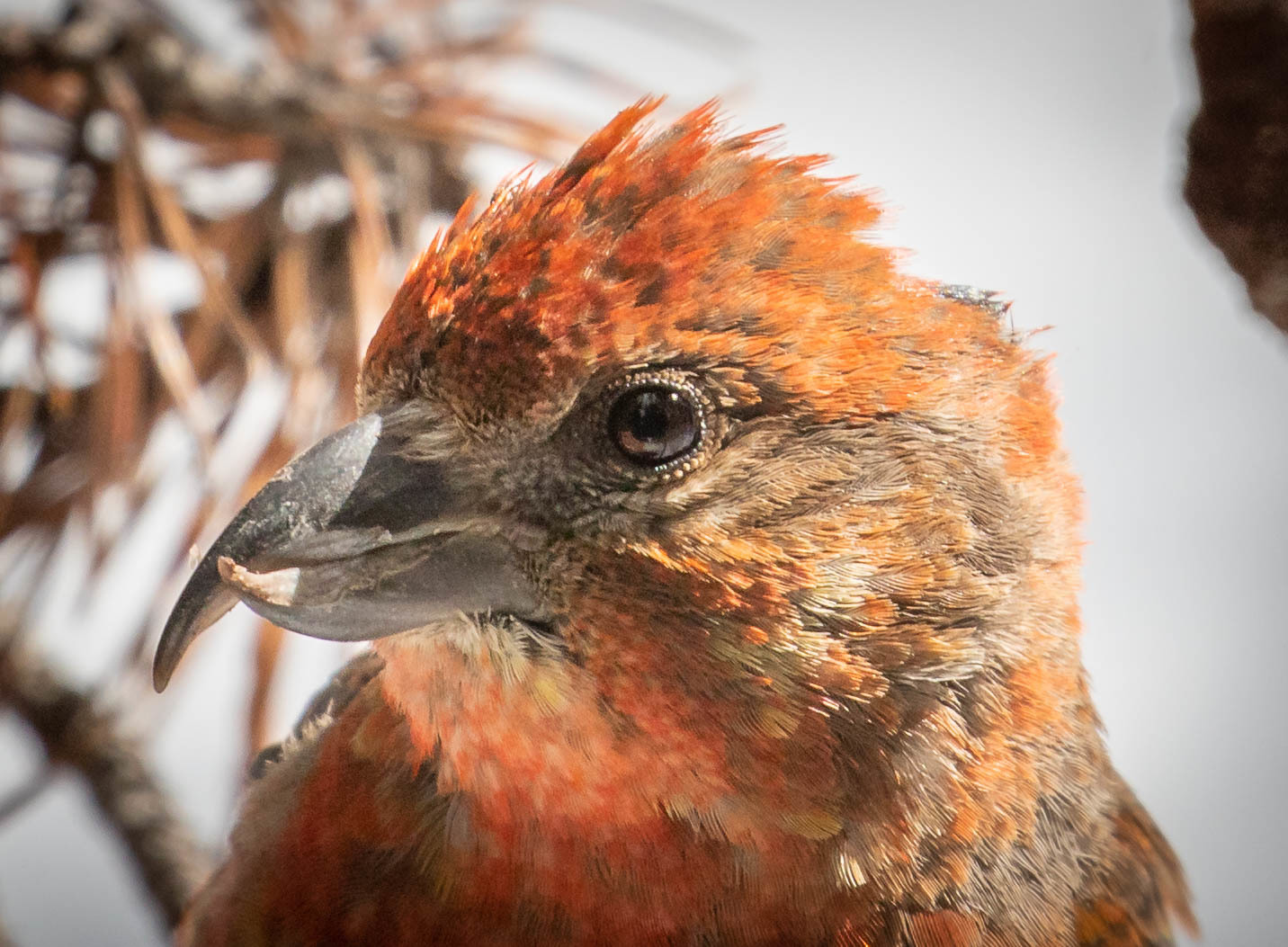 Cassia Crossbill
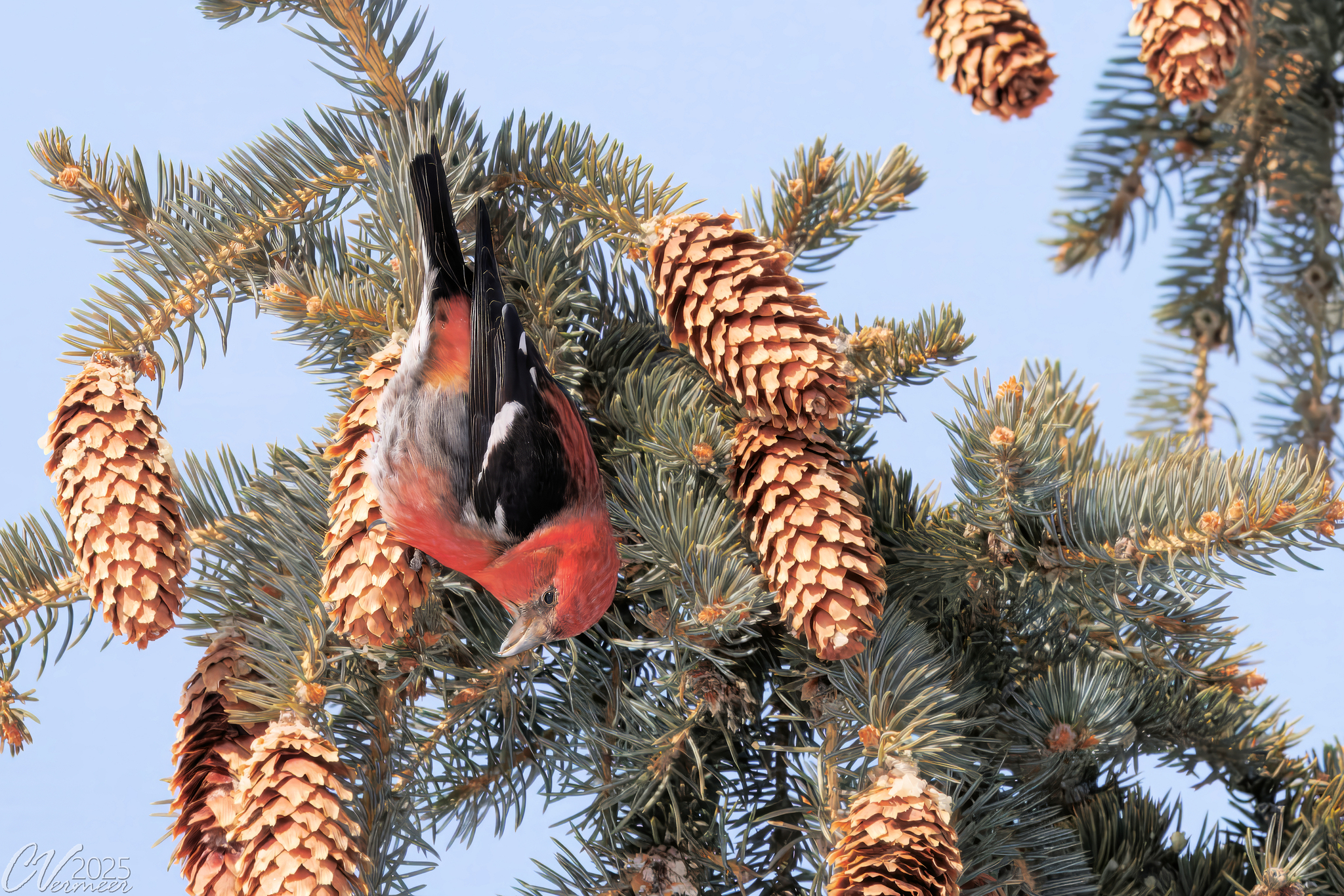 Two-barred Crossbill
In short
The Cassia Crossbill and Two-barred Crossbill are both finches with specialized bills for extracting conifer seeds, but they can be distinguished by their wing markings and habitat preferences. The Two-barred Crossbill is notable for its distinct white wing bars, while the Cassia Crossbill lacks these markings and is more localized in its range.
Identification tips
- Look for white wing bars to identify the Two-barred Crossbill. 2. Observe the habitat: Cassia Crossbills are more likely in lodgepole pine forests. 3. Listen for call differences if familiar with crossbill vocalizations. 4. Consider the location; Cassia Crossbills are localized to Idaho.
Size
Both species are similar in size, typical of crossbills, with no significant difference in overall body size.
Plumage
The Two-barred Crossbill has prominent white wing bars, which are absent in the Cassia Crossbill. Both species exhibit red plumage in males and more subdued tones in females and juveniles.
Behaviour
Both species are nomadic and form flocks, but the Cassia Crossbill is more sedentary, often staying within the same area due to its specialized diet on lodgepole pine seeds.
Habitat
The Cassia Crossbill is primarily found in lodgepole pine forests in Idaho, while the Two-barred Crossbill is more widespread, inhabiting boreal forests across North America and Eurasia.
Voice
Vocalizations can be similar, but the Cassia Crossbill has distinct call types that differ from the Two-barred Crossbill. However, these differences can be subtle and require experience to discern.