Birdr

Chapman's Antshrike vs Lined Antshrike

Thamnophilus zarumae versus Thamnophilus tenuepunctatus

Play a quiz with Chapman's Antshrike and Lined Antshrike
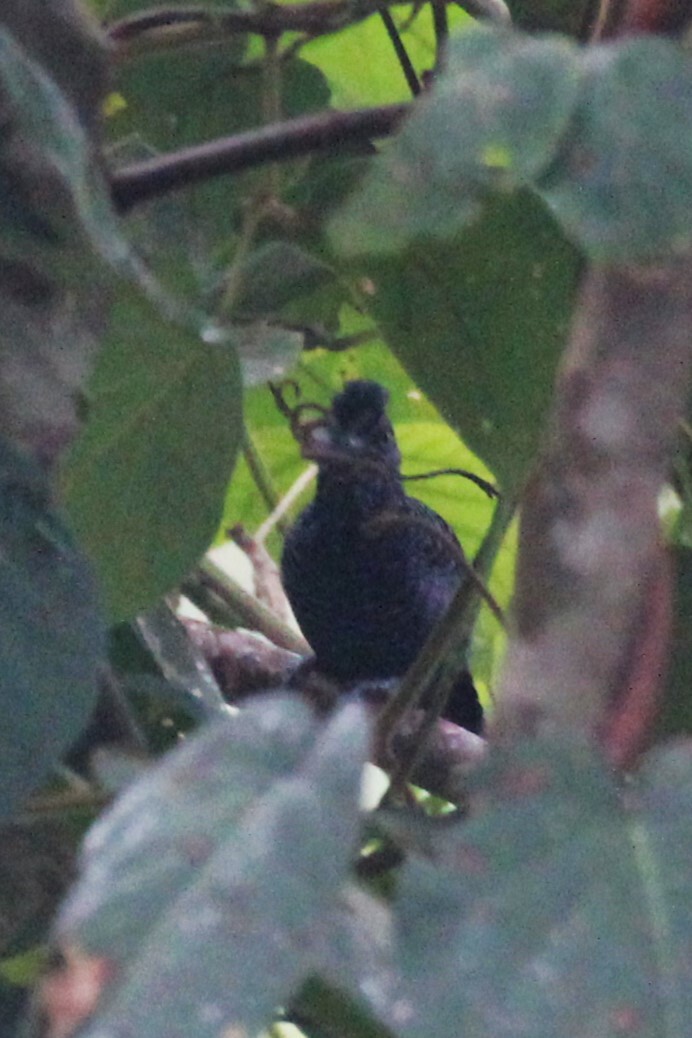
Chapman's Antshrike (Thamnophilus zarumae) Chapman's Antshrike
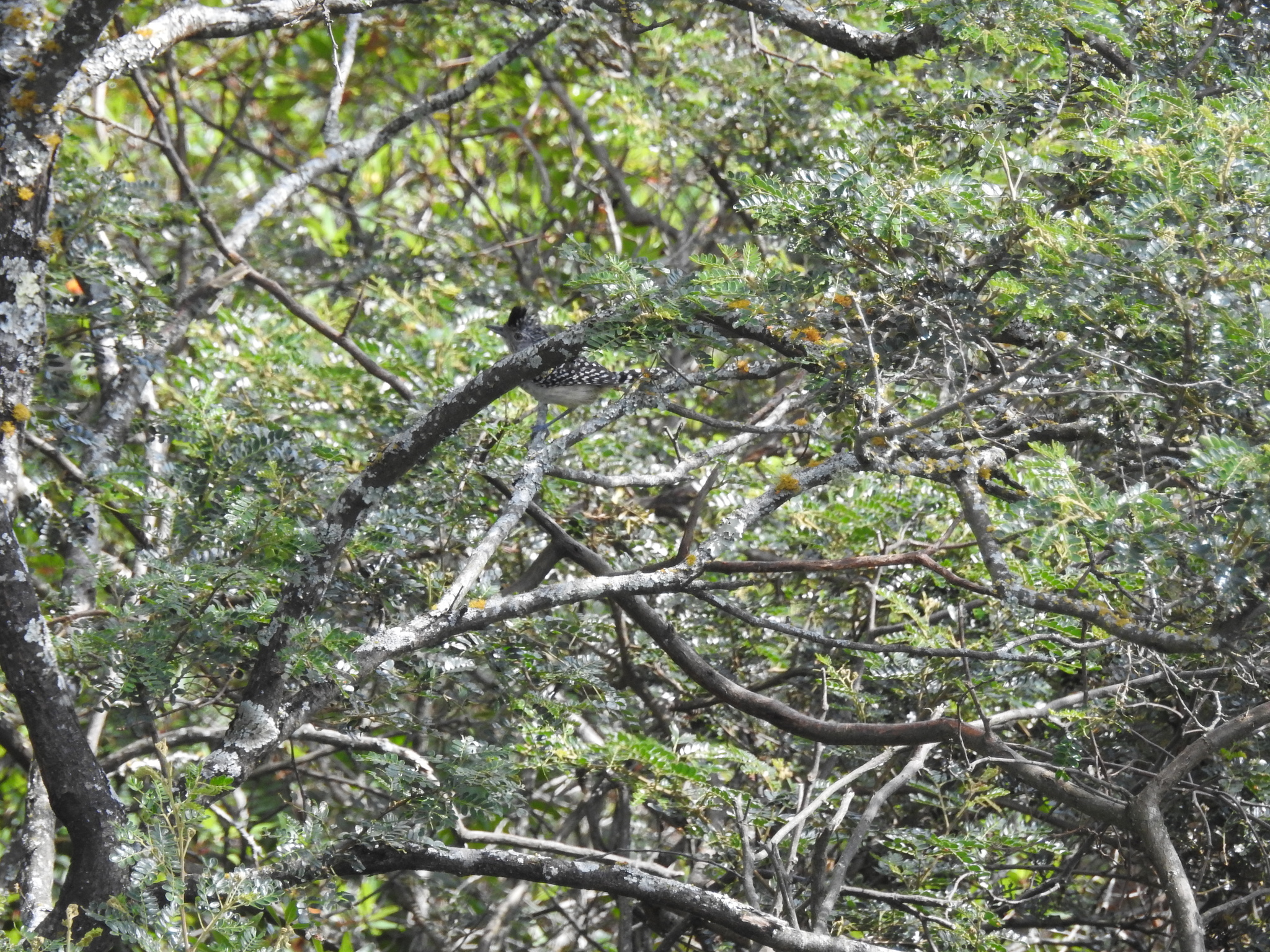
Lined Antshrike (Thamnophilus tenuepunctatus) Lined Antshrike

Media

Loading…

In short

Chapman's Antshrike and Lined Antshrike are both part of the Thamnophilus genus, but they can be distinguished by their plumage and behavior. Chapman's Antshrike is paler and resembles a smaller version of the Barred Antshrike, while the Lined Antshrike has distinctive black and white barring on its back, wings, and tail.

Identification tips

  1. Look for the black and white barring on the back, wings, and tail of the Lined Antshrike. 2. Note the paler overall appearance of Chapman's Antshrike. 3. Observe behavior: Lined Antshrikes are often solitary or in pairs. 4. Be aware that Chapman's Antshrike resembles a smaller Barred Antshrike.

Size

Chapman's Antshrike is slightly smaller than the Lined Antshrike.

Plumage

Chapman's Antshrike is generally paler and resembles a smaller Barred Antshrike. In contrast, the male Lined Antshrike has a black, barred white back, wings, and tail, which are key distinguishing features.

Behaviour

Lined Antshrikes are usually found alone or in pairs and do not typically join mixed-species foraging flocks, unlike some other antshrikes.

Habitat

Both species inhabit similar regions, but specific habitat preferences are not well-documented for Chapman's Antshrike.

Submit a better description

Use the same sections as the comparison. Your text is published immediately.

Chapman's Antshrike and Lined Antshrike are both part of the Thamnophilus genus, but they can be distinguished by their plumage and behavior. Chapman's Antshrike is paler and resembles a smaller version of the Barred Antshrike, while the Lined Antshrike has distinctive black and white barring on its back, wings, and tail.

  1. Look for the black and white barring on the back, wings, and tail of the Lined Antshrike. 2. Note the paler overall appearance of Chapman's Antshrike. 3. Observe behavior: Lined Antshrikes are often solitary or in pairs. 4. Be aware that Chapman's Antshrike resembles a smaller Barred Antshrike.

Chapman's Antshrike is slightly smaller than the Lined Antshrike.

Chapman's Antshrike is generally paler and resembles a smaller Barred Antshrike. In contrast, the male Lined Antshrike has a black, barred white back, wings, and tail, which are key distinguishing features.

Lined Antshrikes are usually found alone or in pairs and do not typically join mixed-species foraging flocks, unlike some other antshrikes.

Both species inhabit similar regions, but specific habitat preferences are not well-documented for Chapman's Antshrike.

Discard your changes?

You have unsaved edits. If you leave now, those changes will be lost.

Chapman's Antshrike · Lined Antshrike · My Tricky Birds