Birdr

Chestnut-backed Chickadee vs Siberian Tit

Poecile rufescens versus Poecile cinctus

Play a quiz with Chestnut-backed Chickadee and Siberian Tit
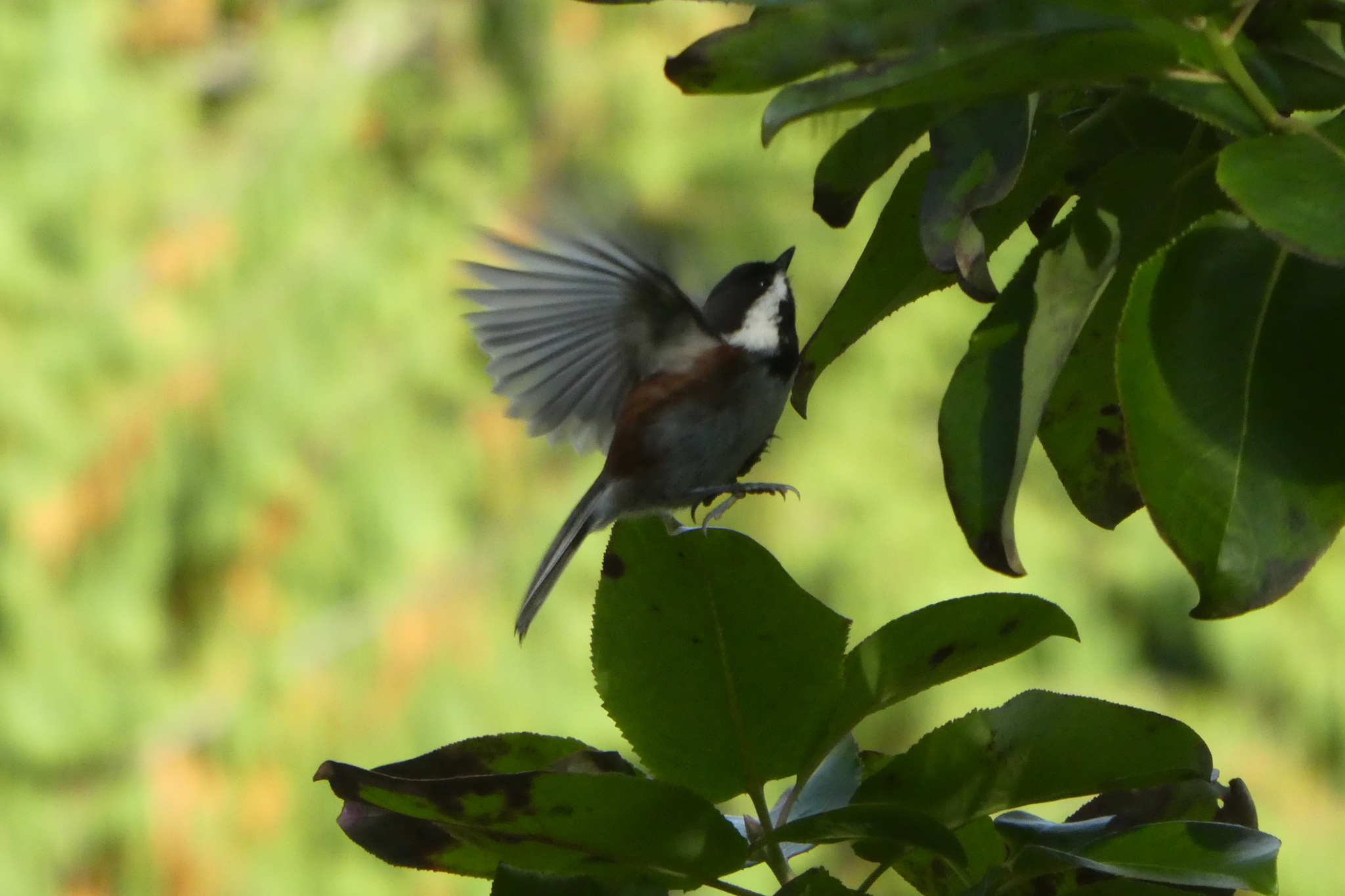
Chestnut-backed Chickadee (Poecile rufescens) Chestnut-backed Chickadee
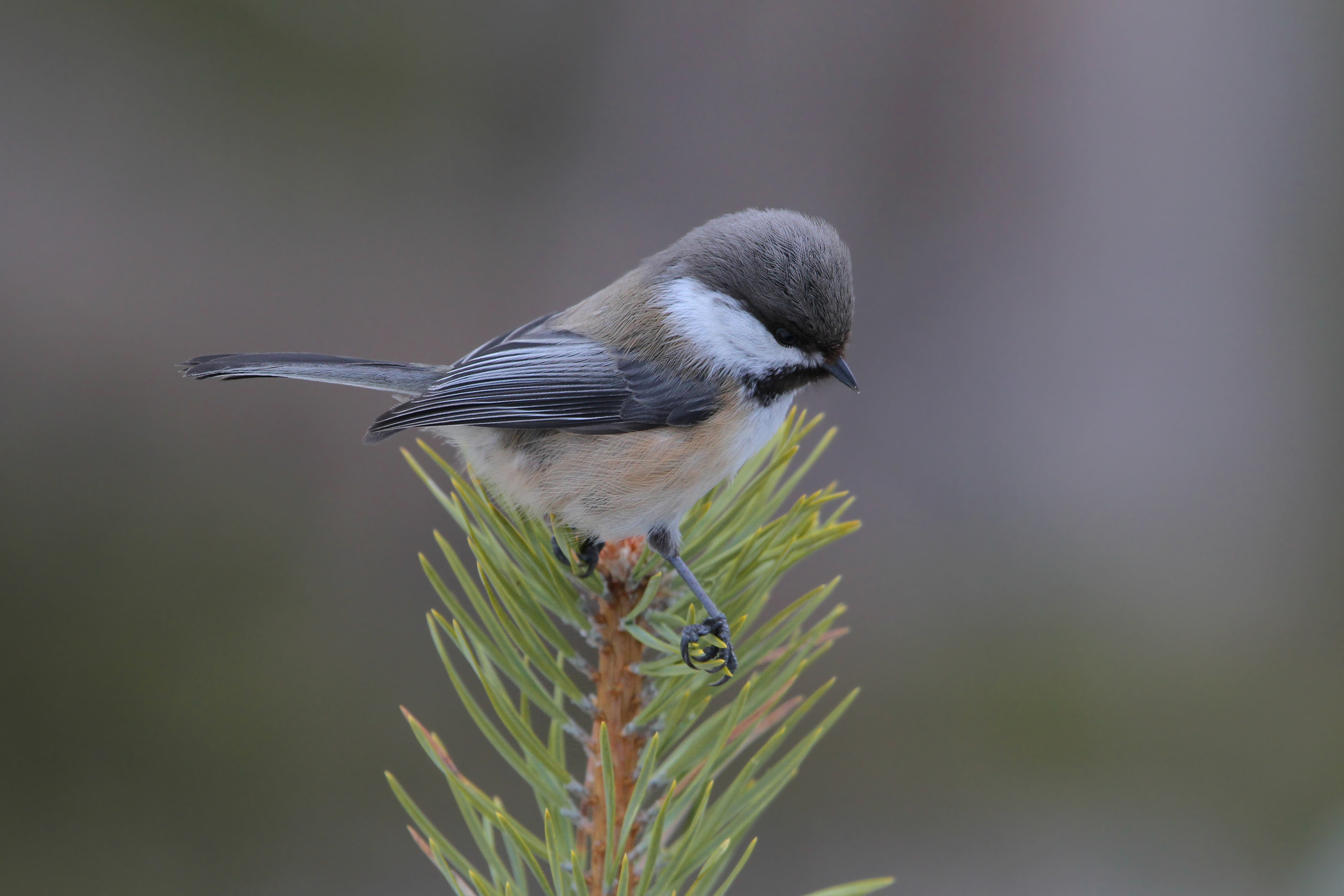
Siberian Tit (Poecile cinctus) Siberian Tit

Media

Loading…

In short

The Chestnut-backed Chickadee and Siberian Tit can be differentiated by their distinct plumage and habitat preferences. The Chestnut-backed Chickadee has a rich chestnut back, while the Siberian Tit features a more muted gray-brown coloration. Both species lack a whistled song, but their calls and habitats offer additional clues.

Identification tips

Look for the chestnut back of the Chestnut-backed Chickadee, especially in coastal forests. Note the gray-brown plumage of the Siberian Tit in subpolar habitats. Listen for the distinctive 'chick-a-dee' call of the Chestnut-backed Chickadee, and observe the Siberian Tit's complex vocalizations in its harsher habitat.

Size

Both species are similar in size, typical of small chickadees, with no significant size difference to aid identification.

Plumage

The Chestnut-backed Chickadee has a distinctive chestnut-colored back and flanks, contrasting with its black cap and white cheeks. In contrast, the Siberian Tit displays a more subdued gray-brown back and lacks the vibrant chestnut coloration, with a paler overall appearance.

Behaviour

Both species nest in tree cavities and can be seen foraging in mixed-species flocks. However, the Chestnut-backed Chickadee is more commonly found in coastal coniferous forests, while the Siberian Tit is adapted to subpolar environments.

Habitat

The Chestnut-backed Chickadee is typically found in humid coastal regions and interior forests of the Pacific Northwest, often among Douglas firs. The Siberian Tit inhabits subpolar regions, often near the tree line, and is more adapted to harsher, sparsely wooded environments.

Voice

Both species lack a whistled song. The Chestnut-backed Chickadee has a robust 'chick-a-dee' call, while the Siberian Tit's vocalizations are complex and varied, reflecting its adaptation to different environments.

Submit a better description

Use the same sections as the comparison. Your text is published immediately.

The Chestnut-backed Chickadee and Siberian Tit can be differentiated by their distinct plumage and habitat preferences. The Chestnut-backed Chickadee has a rich chestnut back, while the Siberian Tit features a more muted gray-brown coloration. Both species lack a whistled song, but their calls and habitats offer additional clues.

Look for the chestnut back of the Chestnut-backed Chickadee, especially in coastal forests. Note the gray-brown plumage of the Siberian Tit in subpolar habitats. Listen for the distinctive 'chick-a-dee' call of the Chestnut-backed Chickadee, and observe the Siberian Tit's complex vocalizations in its harsher habitat.

Both species are similar in size, typical of small chickadees, with no significant size difference to aid identification.

The Chestnut-backed Chickadee has a distinctive chestnut-colored back and flanks, contrasting with its black cap and white cheeks. In contrast, the Siberian Tit displays a more subdued gray-brown back and lacks the vibrant chestnut coloration, with a paler overall appearance.

Both species nest in tree cavities and can be seen foraging in mixed-species flocks. However, the Chestnut-backed Chickadee is more commonly found in coastal coniferous forests, while the Siberian Tit is adapted to subpolar environments.

The Chestnut-backed Chickadee is typically found in humid coastal regions and interior forests of the Pacific Northwest, often among Douglas firs. The Siberian Tit inhabits subpolar regions, often near the tree line, and is more adapted to harsher, sparsely wooded environments.

Both species lack a whistled song. The Chestnut-backed Chickadee has a robust 'chick-a-dee' call, while the Siberian Tit's vocalizations are complex and varied, reflecting its adaptation to different environments.

Discard your changes?

You have unsaved edits. If you leave now, those changes will be lost.

Chestnut-backed Chickadee · Siberian Tit · My Tricky Birds