
Chestnut-bellied Nuthatch vs Eurasian Nuthatch
Sitta cinnamoventris versus Sitta europaea
Play a quiz with Chestnut-bellied Nuthatch and Eurasian Nuthatch
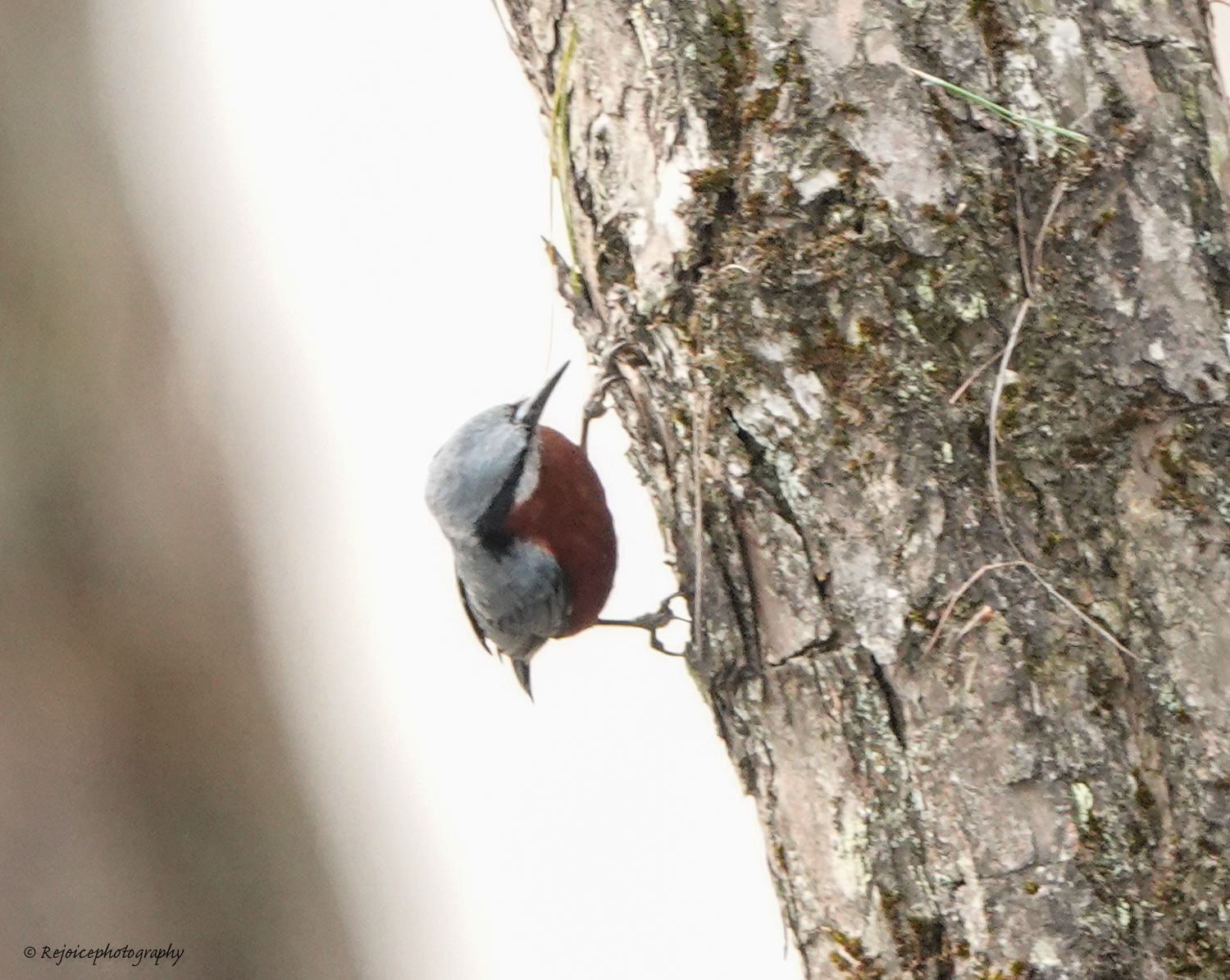 Chestnut-bellied Nuthatch
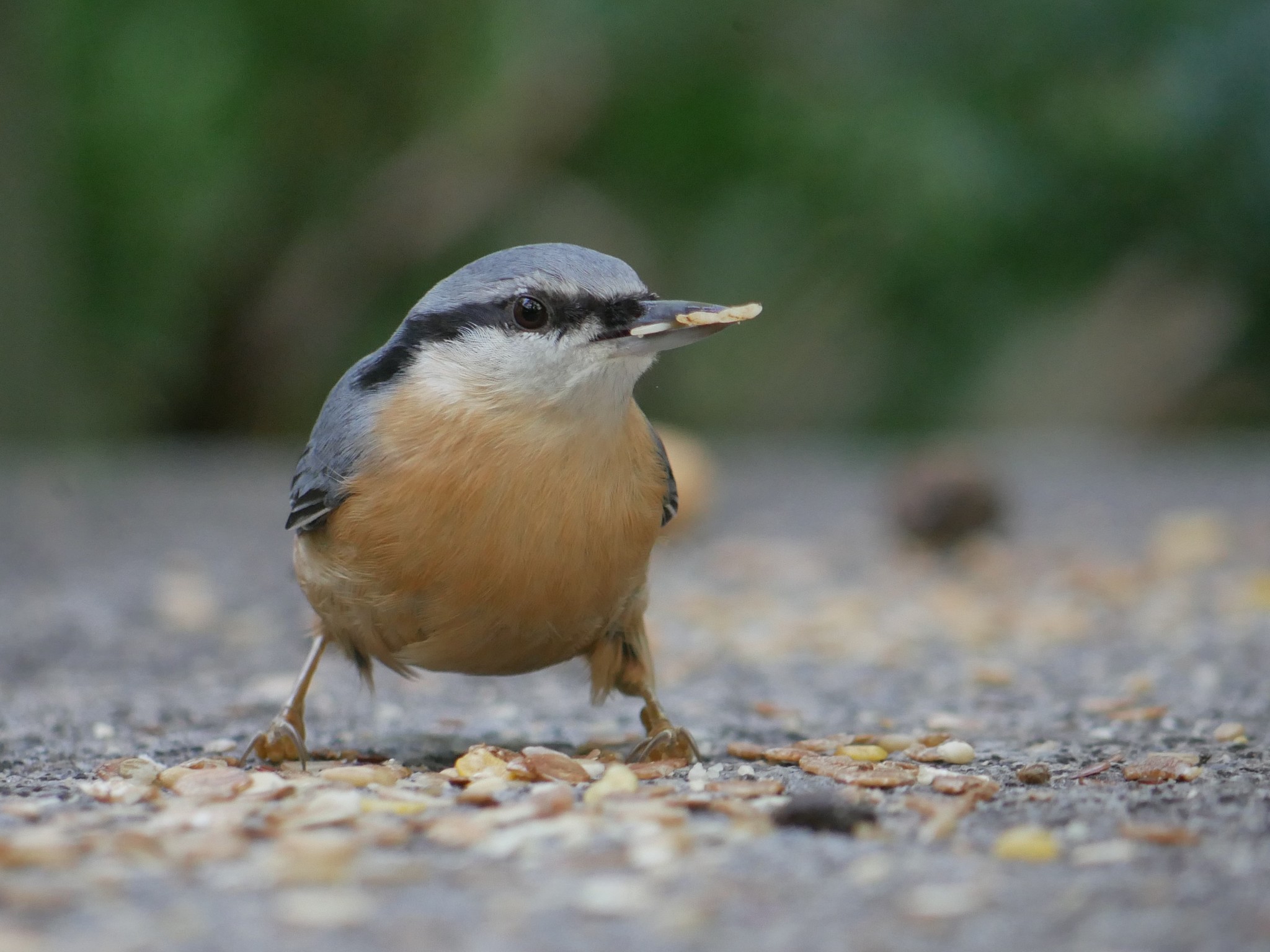 Eurasian Nuthatch
In short
The Chestnut-bellied Nuthatch and Eurasian Nuthatch are both small, agile birds often seen climbing tree trunks and branches. The most reliable field mark is the underpart coloration: Chestnut-bellied Nuthatch has a distinctive chestnut or cinnamon-colored belly, while the Eurasian Nuthatch typically shows a white or buff belly. Both species have similar body shapes and behaviors, making color the key distinguishing feature.
Identification tips
- Check the belly color: Chestnut-bellied Nuthatch has a chestnut belly, while Eurasian Nuthatch has a white or buff belly. 2. Observe the habitat: Consider the geographic location and typical habitat. 3. Listen for calls: While not definitive, slight differences in vocalizations might help if observed repeatedly.
Size
Both species are similar in size, typical of nuthatches, with no significant differences in overall body length or bulk.
Plumage
The Chestnut-bellied Nuthatch has a rich chestnut or cinnamon belly, contrasting with its bluish-gray upperparts. In contrast, the Eurasian Nuthatch displays a white or buff belly and similar bluish-gray upperparts. Both have a black eye stripe, but the belly color is the most distinguishing feature.
Behaviour
Both species exhibit typical nuthatch behavior, such as climbing up and down tree trunks and branches. They are both agile and often seen foraging for insects and seeds.
Habitat
The Chestnut-bellied Nuthatch is typically found in forested areas of the Indian subcontinent, while the Eurasian Nuthatch has a broader range across Europe and Asia, often found in deciduous and mixed woodlands.
Voice
Vocalizations are not the most reliable distinguishing feature, as both species have similar calls. However, the Chestnut-bellied Nuthatch may have a slightly more varied repertoire.
Chestnut-bellied Nuthatch · Eurasian Nuthatch · My Tricky Birds