
Chestnut-sided Warbler vs Palm Warbler
Setophaga pensylvanica versus Setophaga palmarum
Play a quiz with Chestnut-sided Warbler and Palm Warbler
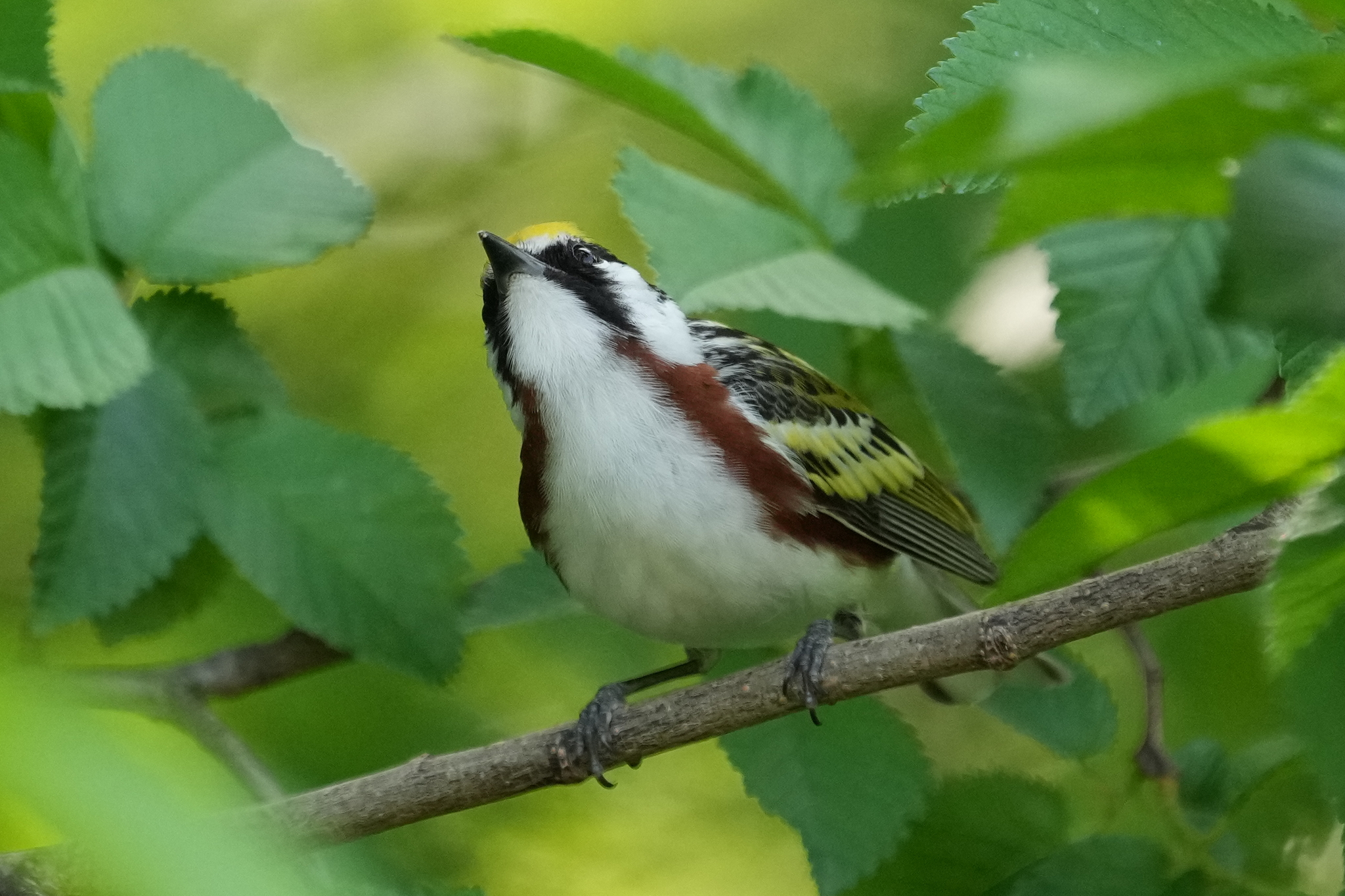 Chestnut-sided Warbler
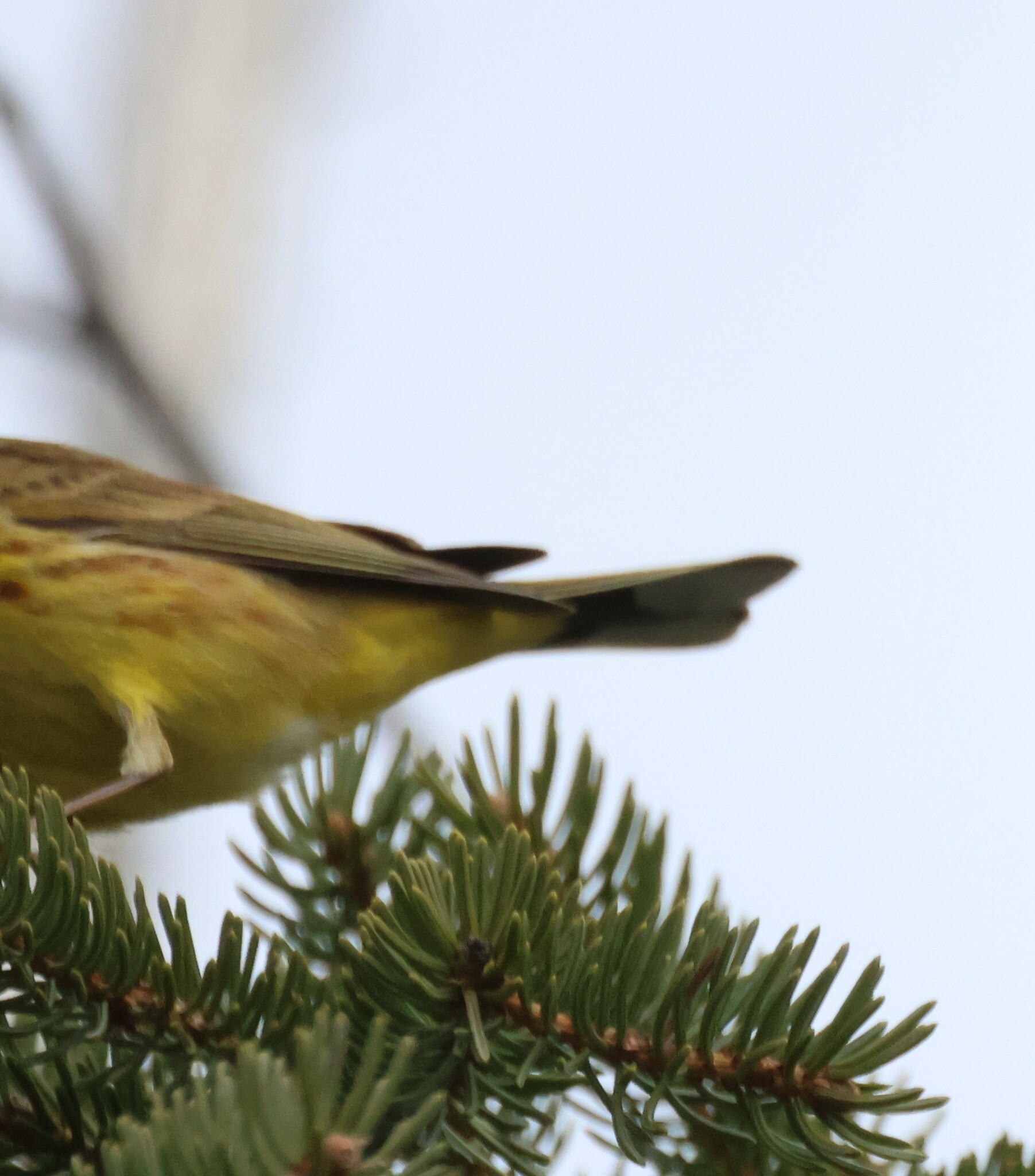 Palm Warbler
In short
The Chestnut-sided Warbler and Palm Warbler can be distinguished by their plumage and behavior. The Chestnut-sided Warbler has a distinctive chestnut streak along its sides, while the Palm Warbler is known for its constant tail-wagging and yellow underparts. Both species are small, active warblers, but their habitats and behaviors can help in identification.
Identification tips
- Look for the chestnut streaks on the sides of the Chestnut-sided Warbler. 2. Observe the tail-wagging behavior of the Palm Warbler. 3. Note the yellow underparts and rusty cap of the Palm Warbler. 4. Consider the habitat: Chestnut-sided Warblers are more likely in wooded areas, while Palm Warblers prefer open spaces.
Size
Both species are small warblers with similar overall size.
Plumage
The Chestnut-sided Warbler features a bright yellow crown, white underparts, and a prominent chestnut streak along its sides. In contrast, the Palm Warbler has yellow underparts, a brownish-olive back, and a rusty cap, with less distinct side streaking.
Behaviour
The Palm Warbler is notable for its constant tail-wagging behavior, which is not observed in the Chestnut-sided Warbler.
Habitat
The Chestnut-sided Warbler prefers deciduous forests and shrubby areas during breeding, while the Palm Warbler is often found in open areas, bogs, and edges during migration and winter.
Voice
The Chestnut-sided Warbler has a distinctive song often described as "pleased, pleased, pleased to meet you," while the Palm Warbler's song is less distinctive and not a reliable field mark.