Birdr

Chihuahuan Meadowlark vs Hooded Oriole

Sturnella lilianae versus Icterus cucullatus

Play a quiz with Chihuahuan Meadowlark and Hooded Oriole
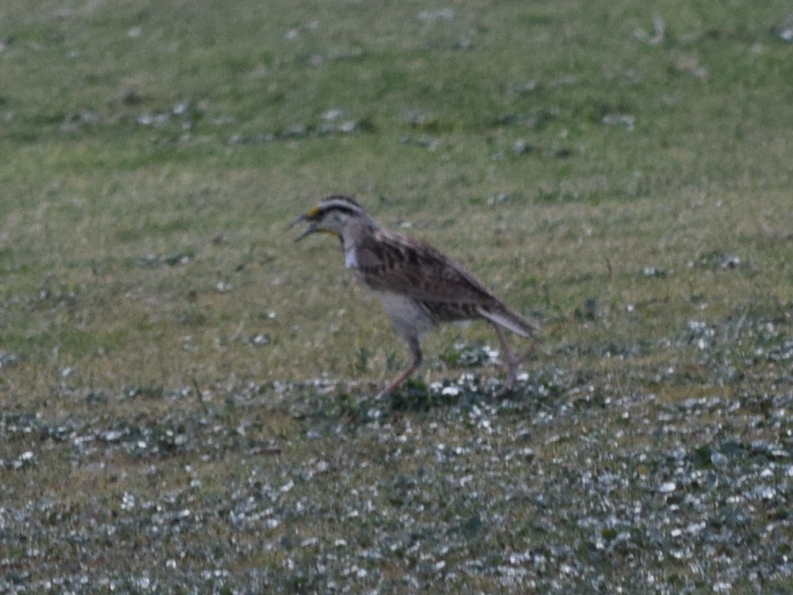
Chihuahuan Meadowlark (Sturnella lilianae) Chihuahuan Meadowlark
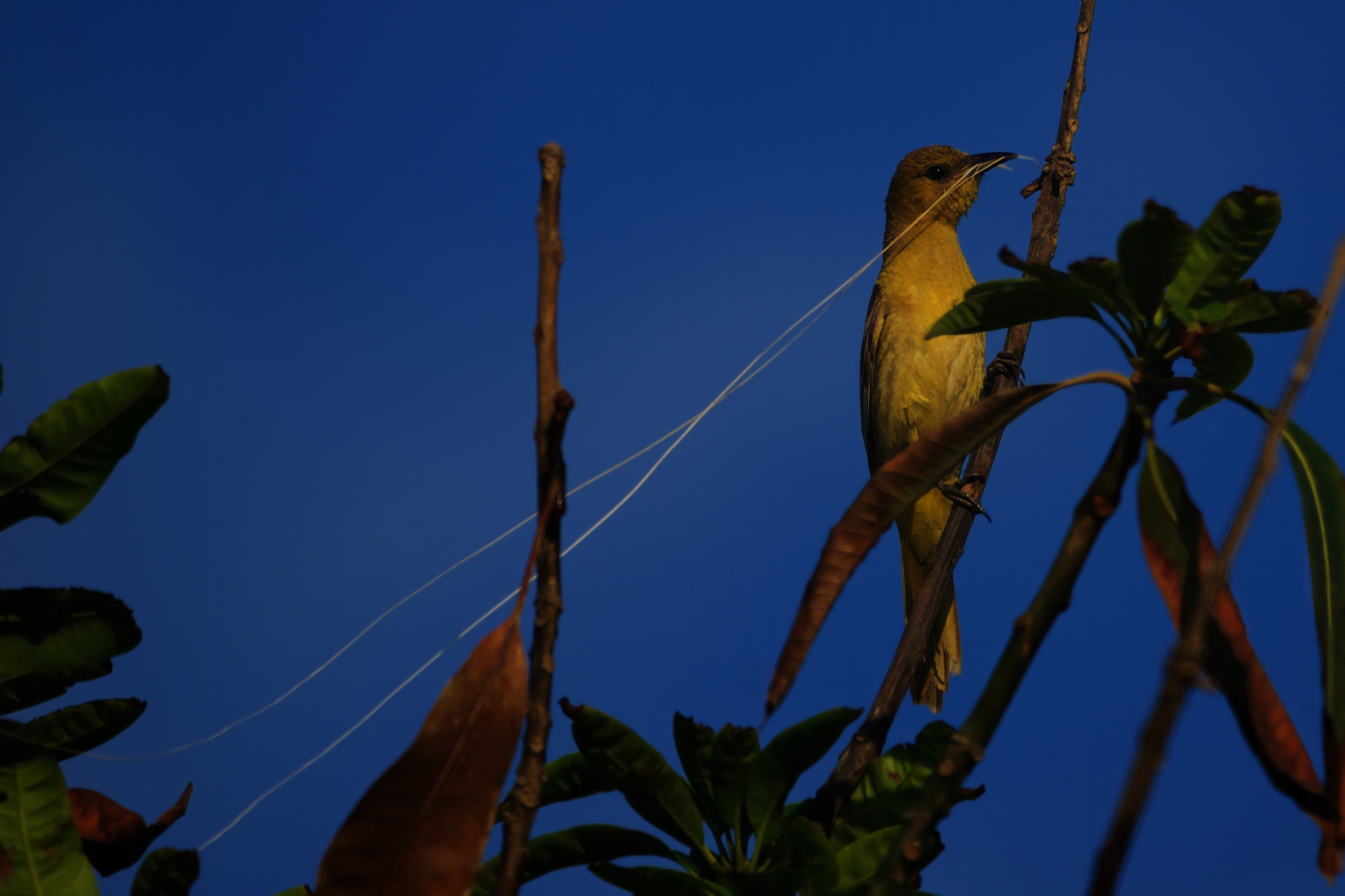
Hooded Oriole (Icterus cucullatus) Hooded Oriole

Media

Loading…

In short

The Chihuahuan Meadowlark and Hooded Oriole are both members of the Icteridae family but differ significantly in appearance and behavior. The Chihuahuan Meadowlark is pale with four white outer tail feathers and polka-dot-like side streaks, while the Hooded Oriole is more vibrant with a distinctive hooded appearance. Both species inhabit different environments, with the meadowlark favoring desert grasslands and the oriole preferring open woodlands and urban areas.

Identification tips

1. Tail feathers: Look for four white outer tail feathers on the Chihuahuan Meadowlark. 2. Plumage color: Note the pale, sun-bleached appearance of the meadowlark versus the bright orange or yellow of the oriole. 3. Habitat: Consider the environment; meadowlarks are in open grasslands, orioles in wooded or suburban areas. 4. Behavior: Observe foraging habits; meadowlarks are ground feeders, orioles are more arboreal.

Size

Both species are similar in size, typical of medium-sized passerines, but the Hooded Oriole may appear slightly more slender due to its longer tail and bill.

Plumage

The Chihuahuan Meadowlark has a pale, sun-bleached appearance with four white outer rectrices and polka-dot-like side streaks. In contrast, the Hooded Oriole is bright orange or yellow with a black face and throat, giving it a hooded appearance.

Behaviour

Chihuahuan Meadowlarks are ground foragers, often seen walking or running in open fields. Hooded Orioles are more arboreal, frequently seen flitting through trees and shrubs.

Habitat

Chihuahuan Meadowlarks inhabit desert grasslands, while Hooded Orioles are found in open woodlands, suburban areas, and gardens.

Voice

The vocalizations of these species differ, with meadowlarks having a flute-like song, whereas orioles have a more varied and melodious song. Specific details on their calls are not provided.

Submit a better description

Use the same sections as the comparison. Your text is published immediately.

The Chihuahuan Meadowlark and Hooded Oriole are both members of the Icteridae family but differ significantly in appearance and behavior. The Chihuahuan Meadowlark is pale with four white outer tail feathers and polka-dot-like side streaks, while the Hooded Oriole is more vibrant with a distinctive hooded appearance. Both species inhabit different environments, with the meadowlark favoring desert grasslands and the oriole preferring open woodlands and urban areas.

1. Tail feathers: Look for four white outer tail feathers on the Chihuahuan Meadowlark. 2. Plumage color: Note the pale, sun-bleached appearance of the meadowlark versus the bright orange or yellow of the oriole. 3. Habitat: Consider the environment; meadowlarks are in open grasslands, orioles in wooded or suburban areas. 4. Behavior: Observe foraging habits; meadowlarks are ground feeders, orioles are more arboreal.

Both species are similar in size, typical of medium-sized passerines, but the Hooded Oriole may appear slightly more slender due to its longer tail and bill.

The Chihuahuan Meadowlark has a pale, sun-bleached appearance with four white outer rectrices and polka-dot-like side streaks. In contrast, the Hooded Oriole is bright orange or yellow with a black face and throat, giving it a hooded appearance.

Chihuahuan Meadowlarks are ground foragers, often seen walking or running in open fields. Hooded Orioles are more arboreal, frequently seen flitting through trees and shrubs.

Chihuahuan Meadowlarks inhabit desert grasslands, while Hooded Orioles are found in open woodlands, suburban areas, and gardens.

The vocalizations of these species differ, with meadowlarks having a flute-like song, whereas orioles have a more varied and melodious song. Specific details on their calls are not provided.

Discard your changes?

You have unsaved edits. If you leave now, those changes will be lost.

Chihuahuan Meadowlark · Hooded Oriole · My Tricky Birds