Birdr

Chiloe Wigeon vs Cape Teal

Mareca sibilatrix versus Anas capensis

Play a quiz with Chiloe Wigeon and Cape Teal
Chiloe Wigeon (Mareca sibilatrix) Chiloe Wigeon
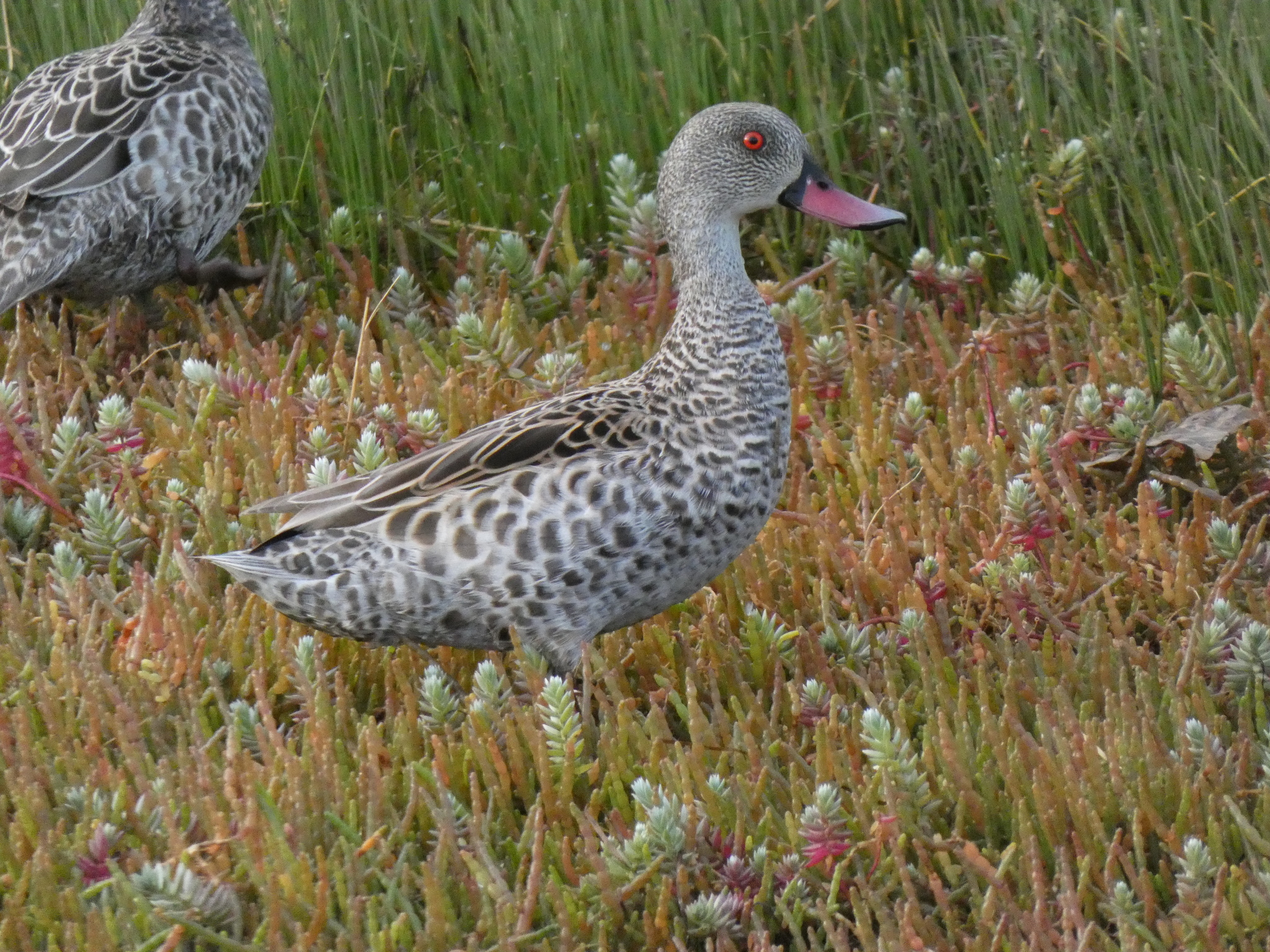
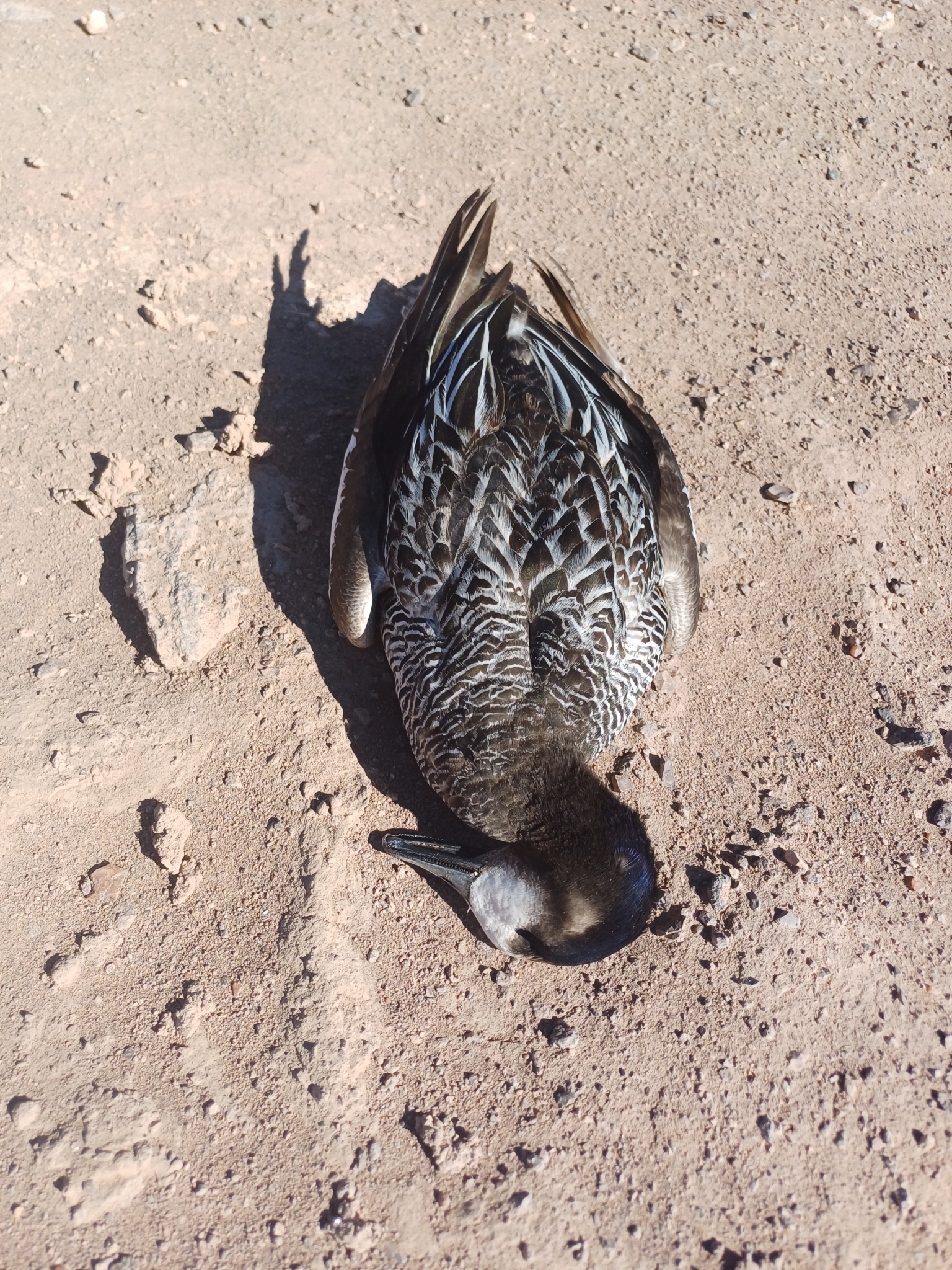
Cape Teal (Anas capensis) Cape Teal

Media

Loading…

In short

The Chiloe Wigeon and Cape Teal are both waterfowl but differ notably in appearance and behavior. The Chiloe Wigeon has a striking head pattern with a white face and green iridescence, while the Cape Teal is more uniformly pale with a speckled appearance. Observing their plumage and behavior in their respective habitats can help distinguish them.

Identification tips

1. Head pattern: Chiloe Wigeon has a white face with green iridescence; Cape Teal is uniformly pale with speckles. 2. Size: Chiloe Wigeon is larger and more robust. 3. Habitat: Chiloe Wigeon in freshwater; Cape Teal in varied wetlands. 4. Behavior: Chiloe Wigeon grazes on land; Cape Teal dabbles in water. 5. Vocalization: Listen for the Chiloe Wigeon's whistling call.

Size

Chiloe Wigeon is generally larger and more robust than the smaller, more delicate Cape Teal.

Plumage

Chiloe Wigeon has a distinctive white face with a green iridescent patch on the head, a chestnut breast, and a gray body. In contrast, the Cape Teal is pale gray with a speckled pattern throughout and lacks the bold head markings of the wigeon.

Behaviour

Chiloe Wigeon often seen grazing on land, while Cape Teal is more aquatic, dabbling in shallow waters.

Habitat

Chiloe Wigeon prefers freshwater lakes and rivers, often in open areas, while Cape Teal is found in a variety of wetland habitats, including saline and brackish waters.

Voice

Chiloe Wigeon has a distinct whistling call, whereas the Cape Teal's vocalizations are softer and less distinctive.

Submit a better description

Use the same sections as the comparison. Your text is published immediately.

The Chiloe Wigeon and Cape Teal are both waterfowl but differ notably in appearance and behavior. The Chiloe Wigeon has a striking head pattern with a white face and green iridescence, while the Cape Teal is more uniformly pale with a speckled appearance. Observing their plumage and behavior in their respective habitats can help distinguish them.

1. Head pattern: Chiloe Wigeon has a white face with green iridescence; Cape Teal is uniformly pale with speckles. 2. Size: Chiloe Wigeon is larger and more robust. 3. Habitat: Chiloe Wigeon in freshwater; Cape Teal in varied wetlands. 4. Behavior: Chiloe Wigeon grazes on land; Cape Teal dabbles in water. 5. Vocalization: Listen for the Chiloe Wigeon's whistling call.

Chiloe Wigeon is generally larger and more robust than the smaller, more delicate Cape Teal.

Chiloe Wigeon has a distinctive white face with a green iridescent patch on the head, a chestnut breast, and a gray body. In contrast, the Cape Teal is pale gray with a speckled pattern throughout and lacks the bold head markings of the wigeon.

Chiloe Wigeon often seen grazing on land, while Cape Teal is more aquatic, dabbling in shallow waters.

Chiloe Wigeon prefers freshwater lakes and rivers, often in open areas, while Cape Teal is found in a variety of wetland habitats, including saline and brackish waters.

Chiloe Wigeon has a distinct whistling call, whereas the Cape Teal's vocalizations are softer and less distinctive.

Discard your changes?

You have unsaved edits. If you leave now, those changes will be lost.

Chiloe Wigeon · Cape Teal · My Tricky Birds