Birdr

Chinese Pond Heron vs Pied Crow

Ardeola bacchus versus Corvus albus

Play a quiz with Chinese Pond Heron and Pied Crow

Chinese Pond Heron (Ardeola bacchus) Chinese Pond Heron
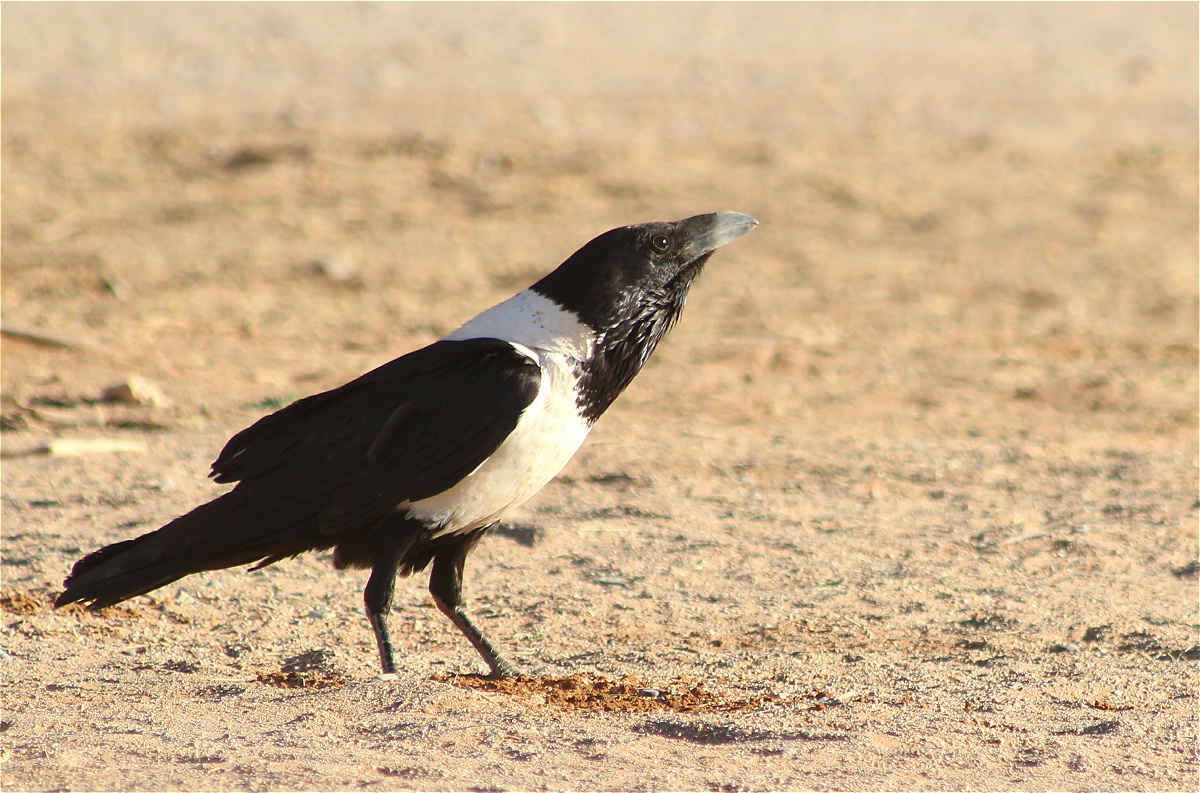
Pied Crow (Corvus albus) Pied Crow

Media

Loading…

In short

The Chinese Pond Heron and Pied Crow are easily distinguished by their size and coloration. The heron is a medium-sized waterbird with seasonal plumage changes, while the crow is a large, black-and-white land bird.

Identification tips

  1. Location: Check if the bird is near water (likely a heron) or in a more terrestrial setting (likely a crow). 2. Plumage: Look for the heron's seasonal plumage changes versus the crow's consistent black-and-white pattern. 3. Behavior: Observe if the bird is wading in water or walking on land. 4. Size: Note the relative size; the crow is larger and bulkier.

Size

The Chinese Pond Heron is smaller and more slender, while the Pied Crow is larger and more robust.

Plumage

Chinese Pond Heron has a striking breeding plumage with maroon, blue, and white, but is mostly brown and white in non-breeding plumage. The Pied Crow is consistently black with a distinctive white chest and nape, making it unmistakable.

Behaviour

Chinese Pond Herons are often seen wading in shallow waters, stalking prey. Pied Crows are more terrestrial, often seen walking on the ground or perching in trees.

Habitat

Chinese Pond Herons are typically found in wetlands, ponds, and rice fields. Pied Crows are more adaptable, found in a variety of habitats including savannas, urban areas, and near human settlements.

Voice

Chinese Pond Herons are generally quiet, with occasional harsh calls. Pied Crows are more vocal, known for their loud, harsh cawing.

Submit a better description

Use the same sections as the comparison. Your text is published immediately.

The Chinese Pond Heron and Pied Crow are easily distinguished by their size and coloration. The heron is a medium-sized waterbird with seasonal plumage changes, while the crow is a large, black-and-white land bird.

  1. Location: Check if the bird is near water (likely a heron) or in a more terrestrial setting (likely a crow). 2. Plumage: Look for the heron's seasonal plumage changes versus the crow's consistent black-and-white pattern. 3. Behavior: Observe if the bird is wading in water or walking on land. 4. Size: Note the relative size; the crow is larger and bulkier.

The Chinese Pond Heron is smaller and more slender, while the Pied Crow is larger and more robust.

Chinese Pond Heron has a striking breeding plumage with maroon, blue, and white, but is mostly brown and white in non-breeding plumage. The Pied Crow is consistently black with a distinctive white chest and nape, making it unmistakable.

Chinese Pond Herons are often seen wading in shallow waters, stalking prey. Pied Crows are more terrestrial, often seen walking on the ground or perching in trees.

Chinese Pond Herons are typically found in wetlands, ponds, and rice fields. Pied Crows are more adaptable, found in a variety of habitats including savannas, urban areas, and near human settlements.

Chinese Pond Herons are generally quiet, with occasional harsh calls. Pied Crows are more vocal, known for their loud, harsh cawing.

Discard your changes?

You have unsaved edits. If you leave now, those changes will be lost.

Chinese Pond Heron · Pied Crow · My Tricky Birds