
Clapper Rail vs Red-billed Tropicbird
Rallus crepitans versus Phaethon aethereus
Play a quiz with Clapper Rail and Red-billed Tropicbird
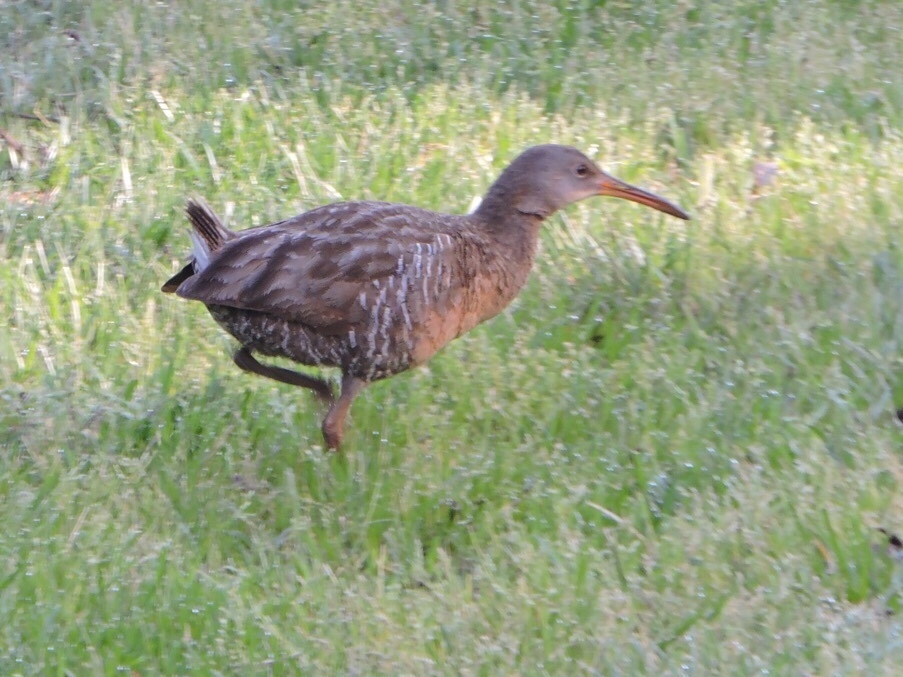 Clapper Rail
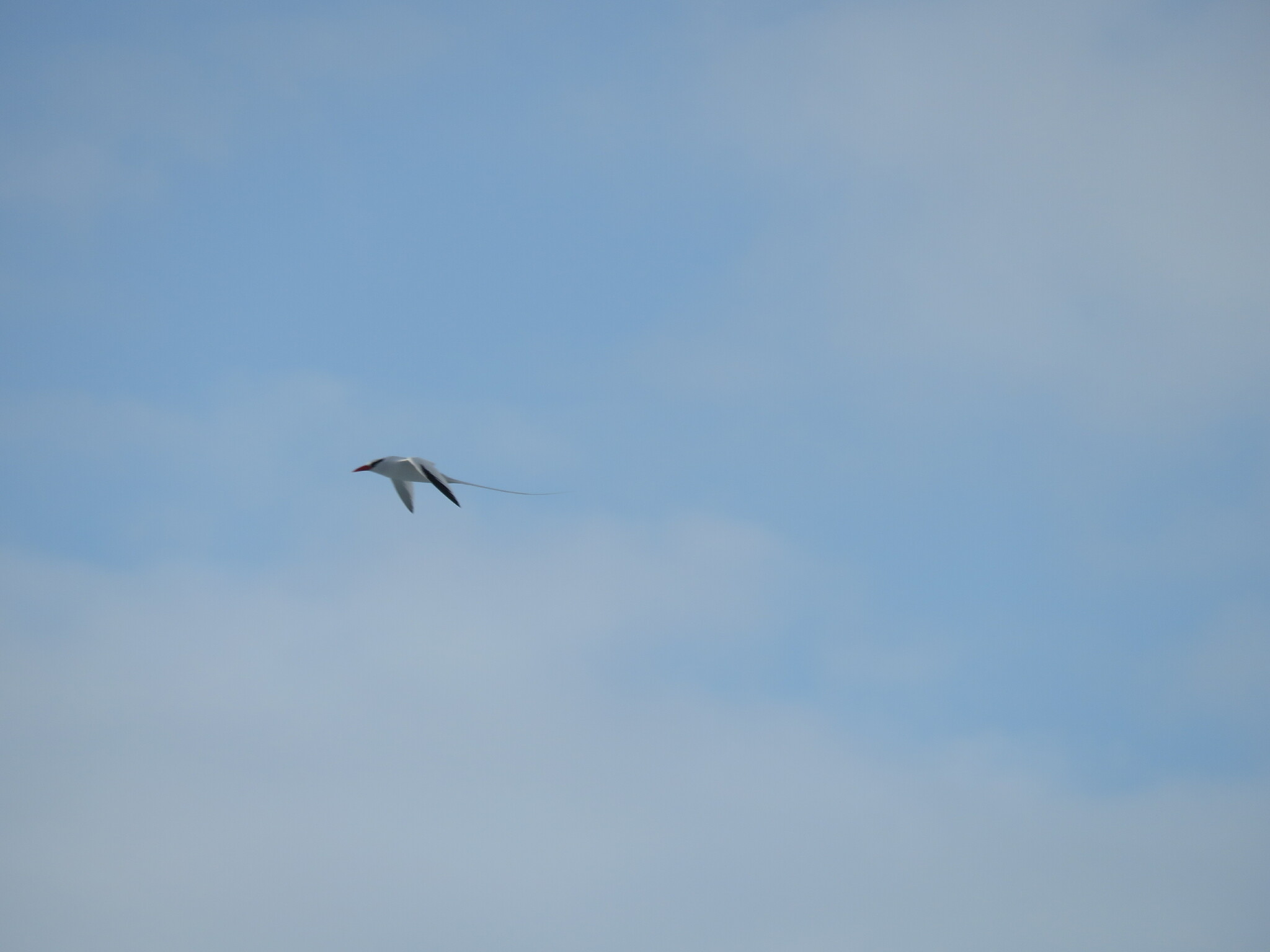 Red-billed Tropicbird
In short
The Clapper Rail (Rallus crepitans) and the Red-billed Tropicbird (Phaethon aethereus) are distinctly different species primarily characterized by their size, habitat preference, and physical appearance. The Clapper Rail is a small, secretive marsh bird with a long body and a notable, loud call, while the Red-billed Tropicbird is a larger, striking seabird known for its elongated tail feathers and bright red bill.
Identification tips
- Birds of the World Similar-Species Diagnostics:
- The Clapper Rail is noted for its "secretive nature and distinctive, loud calls" that can often be heard in its marshy habitat (source: Birds of the World). It can be confused with other rails due to its coloration and habitat.
-
The Red-billed Tropicbird is differentiated from similar species by its "bright red bill, elongated tail feathers, and white body with black wing tips," making it a striking presence in its coastal habitats (source: Birds of the World).
-
AI Field Diagnostics:
- Size and Shape: Look for the significant size difference; the Clapper Rail is much smaller and stocky compared to the elongated and graceful Red-billed Tropicbird.
- Plumage Markings: The Clapper Rail's camouflaged brown and gray plumage blends into marshes, while the Red-billed Tropicbird's bright white body and red bill stand out against its oceanic background.
- Behavior: If you see a bird walking in marshy areas, it’s likely a Clapper Rail; if you observe a bird gliding gracefully over the ocean or nesting on cliffs, it’s a Red-billed Tropicbird.
- Vocalization: Familiarize yourself with their calls: listen for the Clapper Rail's distinctive clattering sounds in marshes and the high-pitched calls of the Red-billed Tropicbird from coastal nesting sites.
- Habitat: Remember that the Clapper Rail is exclusively found in wetlands and marshes, while the Red-billed Tropicbird is associated with oceanic islands and cliffs.
By focusing on these key identification features, birdwatchers can effectively distinguish between the Clapper Rail and the Red-billed Tropicbird in their respective habitats.
Size
- Clapper Rail: Typically measures about 12 to 16 inches in length, with a wingspan of approximately 15 to 20 inches. It has a stocky body and short, stout legs.
- Red-billed Tropicbird: Significantly larger, averaging about 27 inches in length, including its long tail feathers, with a wingspan of about 36 inches. It has a more elongated and graceful body shape.
Plumage
- Clapper Rail: Its plumage is generally brown and gray with streaked patterning, providing excellent camouflage in marshy environments. The underparts are lighter, and it has a distinctively long, pointed bill.
- Red-billed Tropicbird: Characterized by its predominantly white plumage with black wing tips and a bright red bill. It also has long, elegant tail feathers that can be nearly as long as the body, giving it a unique silhouette in flight.
Behaviour
- Clapper Rail: Known for its secretive behavior, often hiding in dense marsh vegetation. It forages mainly by walking through mud and water, picking up crustaceans and invertebrates.
- Red-billed Tropicbird: Typically seen flying gracefully over the ocean, often gliding on air currents. It is more conspicuous than the Clapper Rail, commonly nesting on cliffs and islands, and is known for its aerial display during courtship.
Habitat
- Clapper Rail: Prefers salt and brackish marshes, estuaries, and wetlands along the Atlantic and Gulf coasts. It is often found in dense vegetation near water.
- Red-billed Tropicbird: Inhabits tropical and subtropical oceanic islands, nesting on cliffs, and is primarily associated with open ocean environments.
Voice
- Clapper Rail: Recognizable for its loud, clattering calls, which are often described as sounding like "clapping" or "creaking," used for communication and territory establishment.
- Red-billed Tropicbird: Produces a series of high-pitched, plaintive calls, often heard during the breeding season when in proximity to nesting colonies.