Birdr

Cockatiel vs Budgerigar

Nymphicus hollandicus versus Melopsittacus undulatus

Play a quiz with Cockatiel and Budgerigar
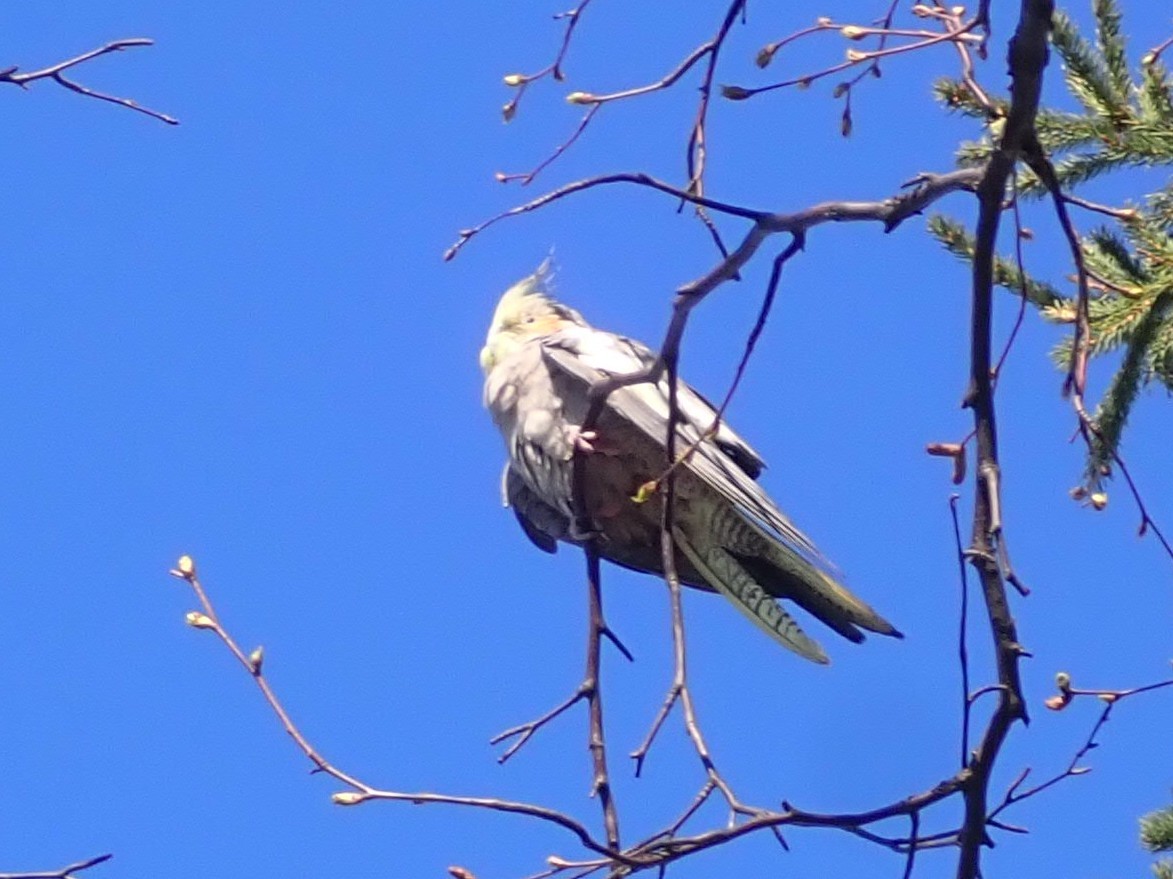
Cockatiel (Nymphicus hollandicus) Cockatiel
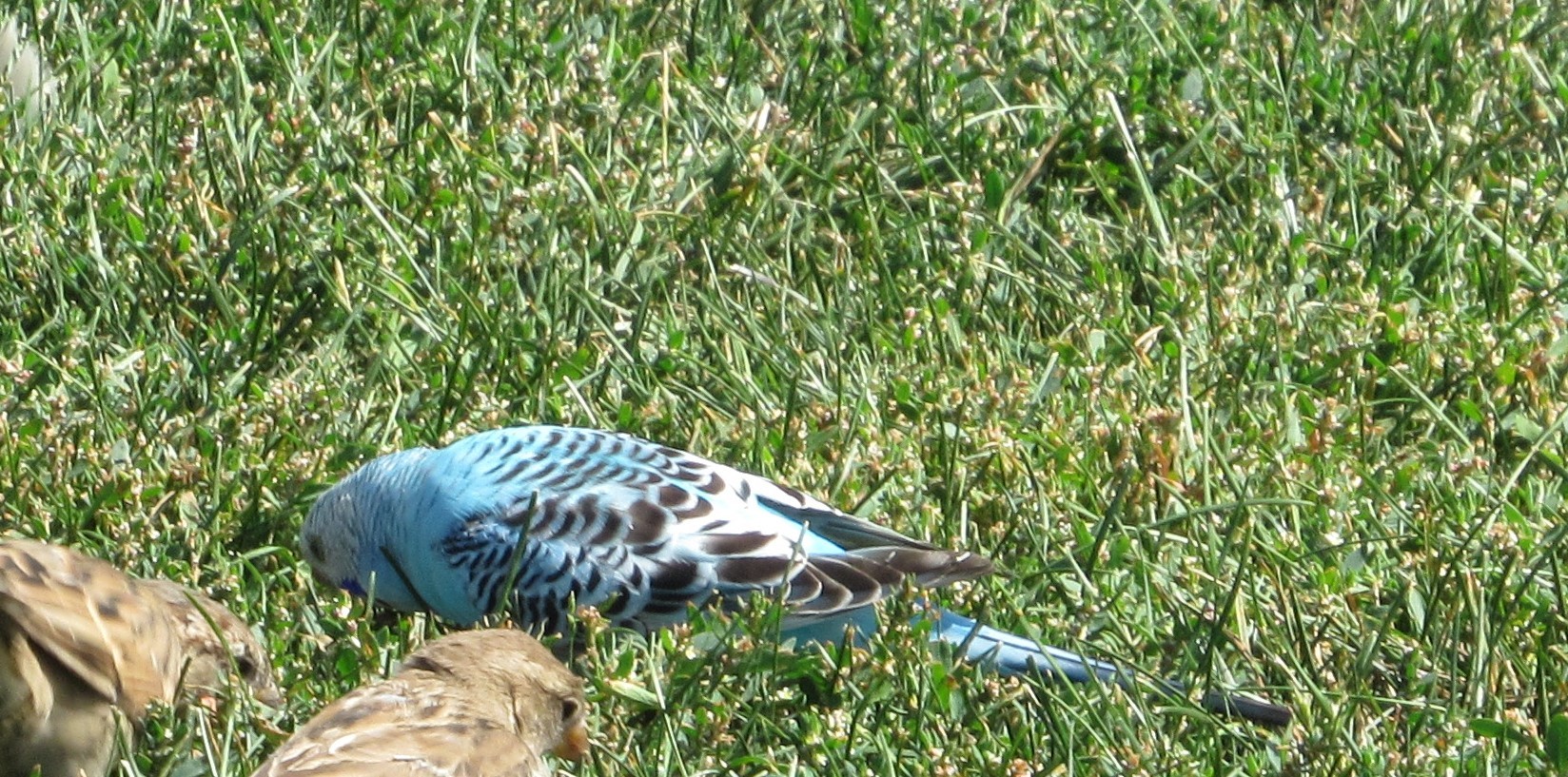
Budgerigar (Melopsittacus undulatus) Budgerigar

Media

Loading…

In short

The Cockatiel and Budgerigar are both small, colorful parrots but can be distinguished by their size and facial markings. Cockatiels are larger with a distinctive crest and orange cheek patches, while Budgerigars are smaller with a more uniform facial pattern. Listen for the Cockatiel's whistling calls compared to the Budgerigar's chattering.

Identification tips

1. Size and Shape: Cockatiels are larger with a longer tail and a distinctive crest. 2. Facial Markings: Look for the orange cheek patches on Cockatiels. 3. Vocalizations: Listen for whistling in Cockatiels versus chattering in Budgerigars. 4. Habitat: Consider the environment; Cockatiels may be near water, Budgerigars in grasslands.

Size

Cockatiels are noticeably larger than Budgerigars, with a more elongated body and longer tail.

Plumage

Cockatiels have a prominent crest and orange cheek patches on a generally gray or white face, while Budgerigars have a smooth head with a more uniform pattern, often featuring a mix of green, yellow, and black barring.

Behaviour

Both species are social and often seen in flocks, but Cockatiels may be observed displaying their crests more frequently as part of their social interactions.

Habitat

Both species inhabit open environments in Australia, but Cockatiels are more often found in open woodlands and near water sources, while Budgerigars favor grasslands and scrublands.

Voice

Cockatiels produce a variety of whistling calls, which are more melodic compared to the Budgerigar's rapid chattering and warbling.

Submit a better description

Use the same sections as the comparison. Your text is published immediately.

The Cockatiel and Budgerigar are both small, colorful parrots but can be distinguished by their size and facial markings. Cockatiels are larger with a distinctive crest and orange cheek patches, while Budgerigars are smaller with a more uniform facial pattern. Listen for the Cockatiel's whistling calls compared to the Budgerigar's chattering.

1. Size and Shape: Cockatiels are larger with a longer tail and a distinctive crest. 2. Facial Markings: Look for the orange cheek patches on Cockatiels. 3. Vocalizations: Listen for whistling in Cockatiels versus chattering in Budgerigars. 4. Habitat: Consider the environment; Cockatiels may be near water, Budgerigars in grasslands.

Cockatiels are noticeably larger than Budgerigars, with a more elongated body and longer tail.

Cockatiels have a prominent crest and orange cheek patches on a generally gray or white face, while Budgerigars have a smooth head with a more uniform pattern, often featuring a mix of green, yellow, and black barring.

Both species are social and often seen in flocks, but Cockatiels may be observed displaying their crests more frequently as part of their social interactions.

Both species inhabit open environments in Australia, but Cockatiels are more often found in open woodlands and near water sources, while Budgerigars favor grasslands and scrublands.

Cockatiels produce a variety of whistling calls, which are more melodic compared to the Budgerigar's rapid chattering and warbling.

Discard your changes?

You have unsaved edits. If you leave now, those changes will be lost.

Cockatiel · Budgerigar · My Tricky Birds