
Collared Forest-Falcon vs Common Kestrel
Micrastur semitorquatus versus Falco tinnunculus
Play a quiz with Collared Forest-Falcon and Common Kestrel
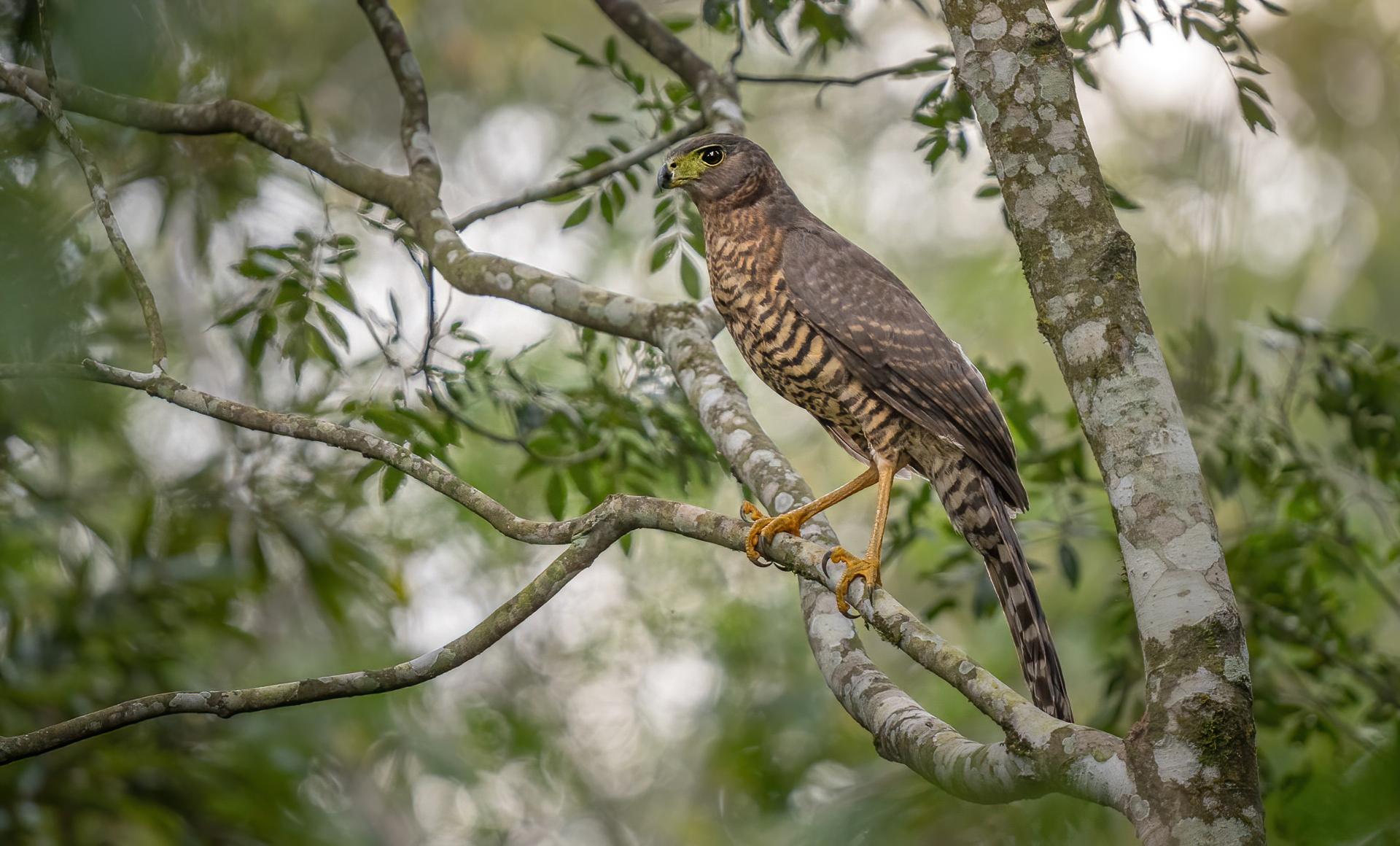 Collared Forest-Falcon
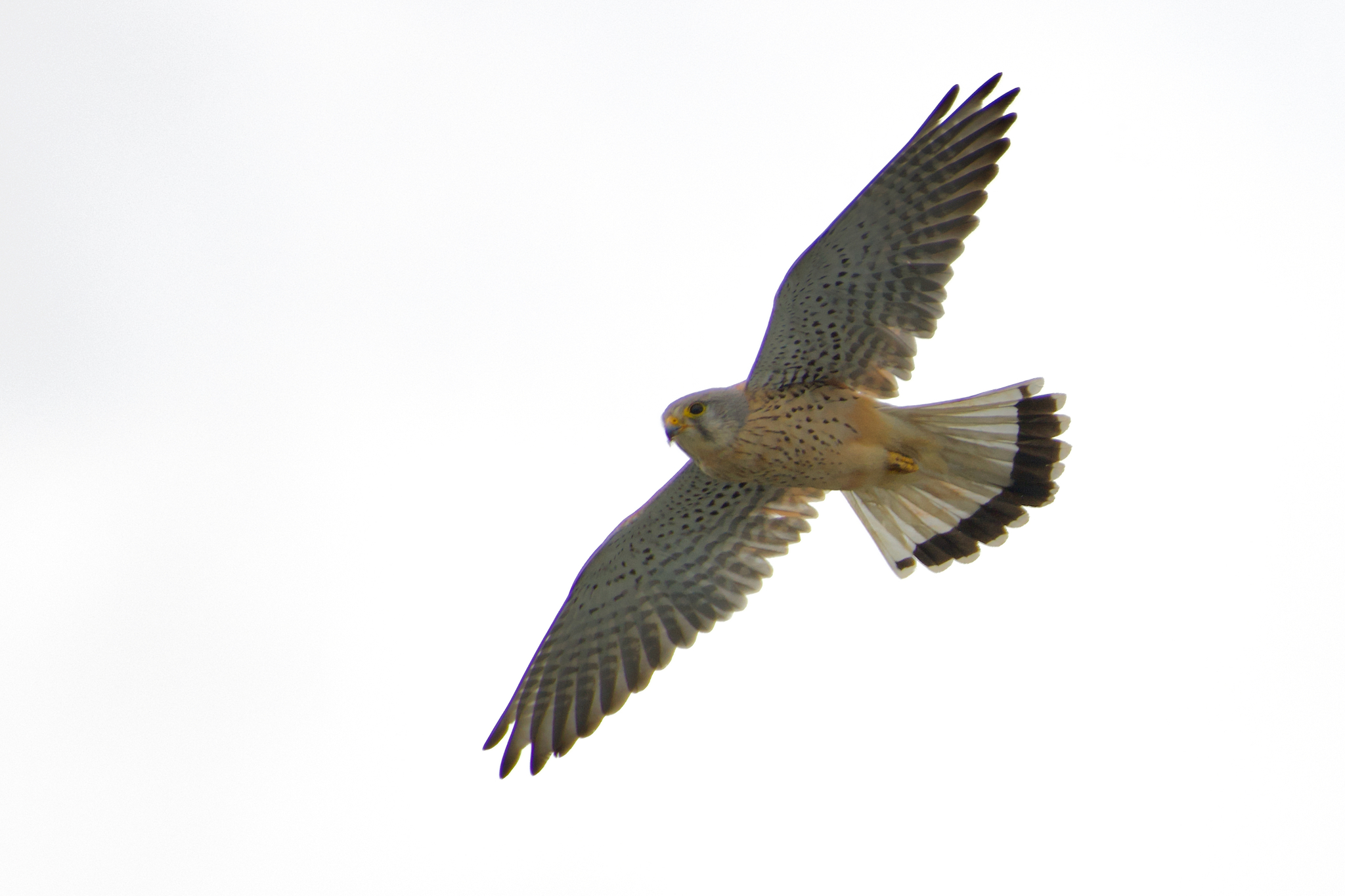 Common Kestrel
In short
The Collared Forest-Falcon and Common Kestrel are both falcons, but they differ significantly in appearance and habitat. The Collared Forest-Falcon is larger and prefers dense forests, while the Common Kestrel is smaller and often seen in open habitats. Their plumage and vocalizations also offer clear distinctions.
Identification tips
- Size and Shape: Look for the larger size and robust build of the Collared Forest-Falcon compared to the smaller, more slender Common Kestrel. 2. Plumage: Note the pale collar on the Collared Forest-Falcon, contrasting with its black upperparts, versus the gray head and chestnut back of the male Common Kestrel. 3. Habitat: Observe the surrounding environment; dense forests suggest Collared Forest-Falcon, while open fields or urban areas suggest Common Kestrel. 4. Behavior: Watch for hovering behavior typical of the Common Kestrel. 5. Calls: Listen for the humanlike calls of the Collared Forest-Falcon compared to the 'kee-kee-kee' of the Common Kestrel.
Size
The Collared Forest-Falcon is larger and more robust than the Common Kestrel.
Plumage
The Collared Forest-Falcon has three morphs (pale, dark, tawny) with a distinctive pale collar contrasting with black upperparts. The Common Kestrel shows sexual dimorphism; males have gray heads and tails with chestnut backs, while females are more uniformly colored with barred tails.
Behaviour
Collared Forest-Falcons are elusive, often heard more than seen, and hunt within dense forests. Common Kestrels are more visible, often seen hovering over open fields while hunting.
Habitat
Collared Forest-Falcons inhabit humid lowland rainforests and semi-deciduous forests. Common Kestrels prefer open habitats like fields, grasslands, and urban areas.
Voice
Collared Forest-Falcons have distinctive humanlike calls, while Common Kestrels have a repetitive 'kee-kee-kee' call.