Birdr

Collared Plover vs Great Thrush

Anarhynchus collaris versus Turdus fuscater

Play a quiz with Collared Plover and Great Thrush
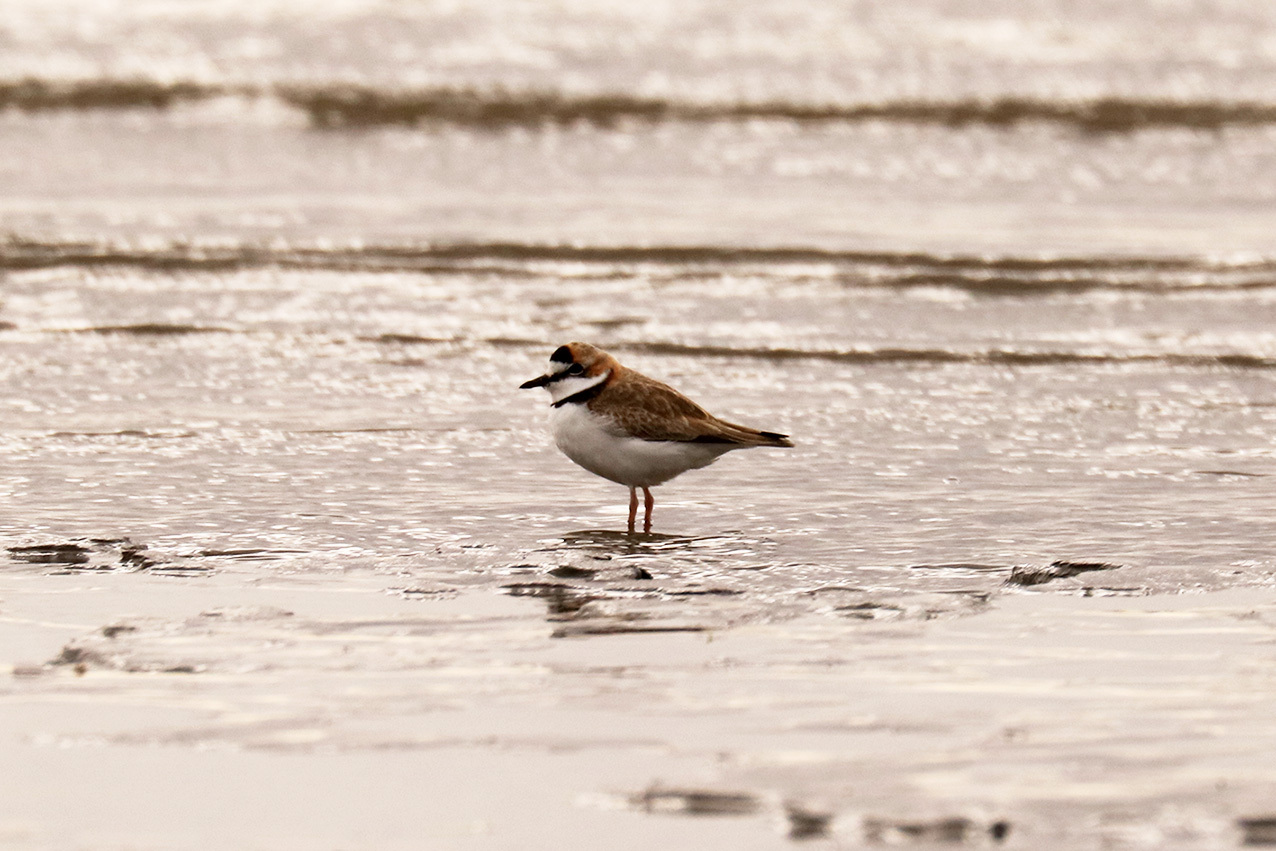
Collared Plover (Anarhynchus collaris) Collared Plover
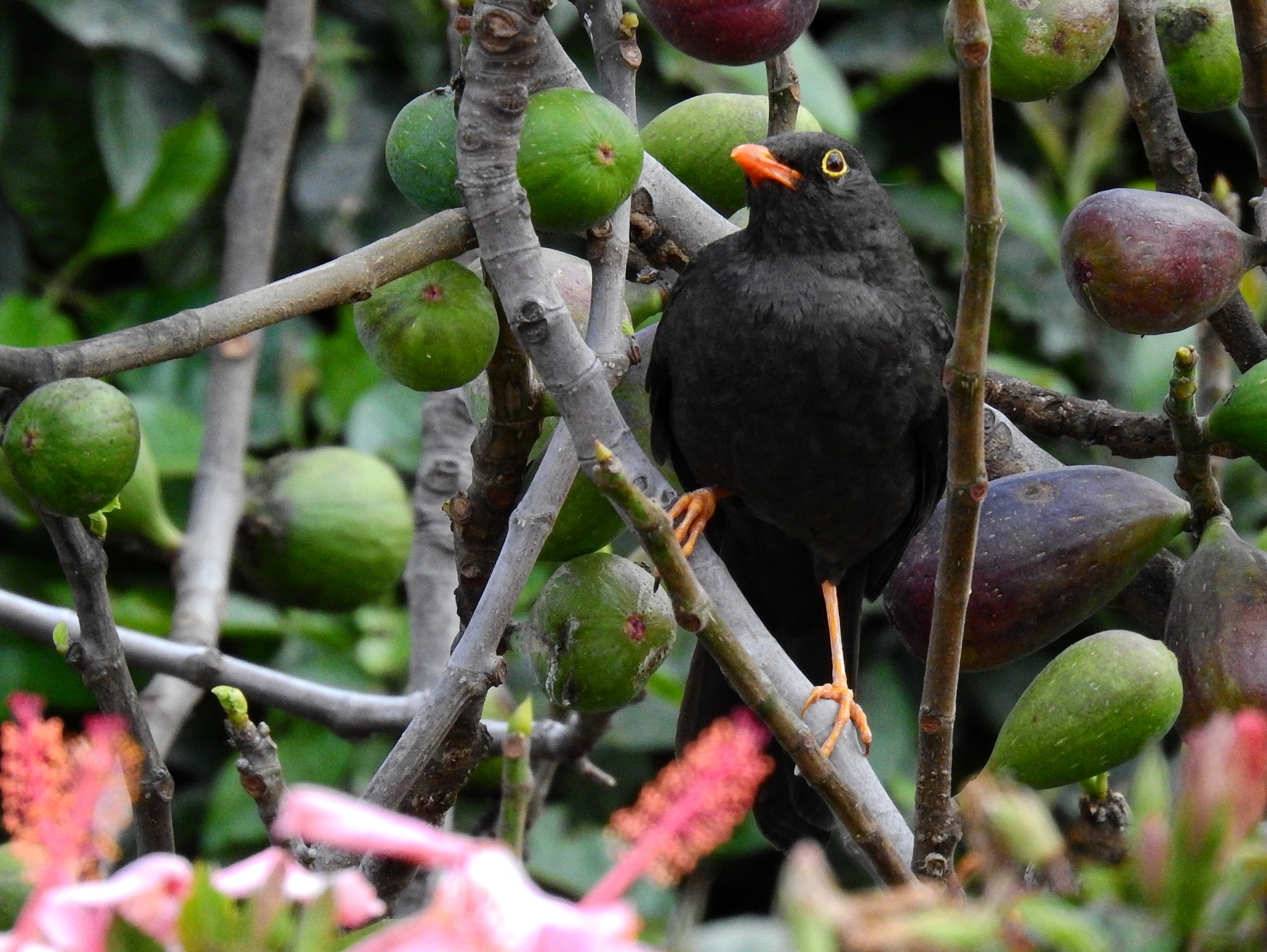
Great Thrush (Turdus fuscater) Great Thrush

Media

Loading…

In short

The Collared Plover and Great Thrush are easily distinguished by size and habitat. The Collared Plover is a small shorebird with a distinctive white collar, while the Great Thrush is a large, dark songbird found in high-altitude Andean regions.

Identification tips

  1. Size: Note the significant size difference; the Great Thrush is much larger. 2. Habitat: Consider the environment; Collared Plovers are near water, Great Thrushes are in high-altitude areas. 3. Plumage: Look for the Collared Plover's white collar and the Great Thrush's dark, uniform plumage with a male eyering. 4. Behavior: Observe movement patterns; plovers run on the ground, thrushes may be more arboreal.

Size

The Collared Plover is much smaller than the Great Thrush, which is notably large for a thrush.

Plumage

The Collared Plover has a white collar and a contrasting dark crown, while the Great Thrush is uniformly dark and grayish, with a conspicuous eyering in males.

Behaviour

Collared Plovers are often seen running along sandy shores, whereas Great Thrushes are more likely to be perched or foraging in trees.

Habitat

Collared Plovers inhabit coastal and riverine sandy areas, while Great Thrushes are found in high-altitude Andean regions, often near human activity.

Voice

Vocalizations differ greatly; the Collared Plover has typical plover calls, while the Great Thrush has a varied and melodious song.

Submit a better description

Use the same sections as the comparison. Your text is published immediately.

The Collared Plover and Great Thrush are easily distinguished by size and habitat. The Collared Plover is a small shorebird with a distinctive white collar, while the Great Thrush is a large, dark songbird found in high-altitude Andean regions.

  1. Size: Note the significant size difference; the Great Thrush is much larger. 2. Habitat: Consider the environment; Collared Plovers are near water, Great Thrushes are in high-altitude areas. 3. Plumage: Look for the Collared Plover's white collar and the Great Thrush's dark, uniform plumage with a male eyering. 4. Behavior: Observe movement patterns; plovers run on the ground, thrushes may be more arboreal.

The Collared Plover is much smaller than the Great Thrush, which is notably large for a thrush.

The Collared Plover has a white collar and a contrasting dark crown, while the Great Thrush is uniformly dark and grayish, with a conspicuous eyering in males.

Collared Plovers are often seen running along sandy shores, whereas Great Thrushes are more likely to be perched or foraging in trees.

Collared Plovers inhabit coastal and riverine sandy areas, while Great Thrushes are found in high-altitude Andean regions, often near human activity.

Vocalizations differ greatly; the Collared Plover has typical plover calls, while the Great Thrush has a varied and melodious song.

Discard your changes?

You have unsaved edits. If you leave now, those changes will be lost.

Collared Plover · Great Thrush · My Tricky Birds