Birdr

Common Chaffinch vs Cirl Bunting

Fringilla coelebs versus Emberiza cirlus

Play a quiz with Common Chaffinch and Cirl Bunting
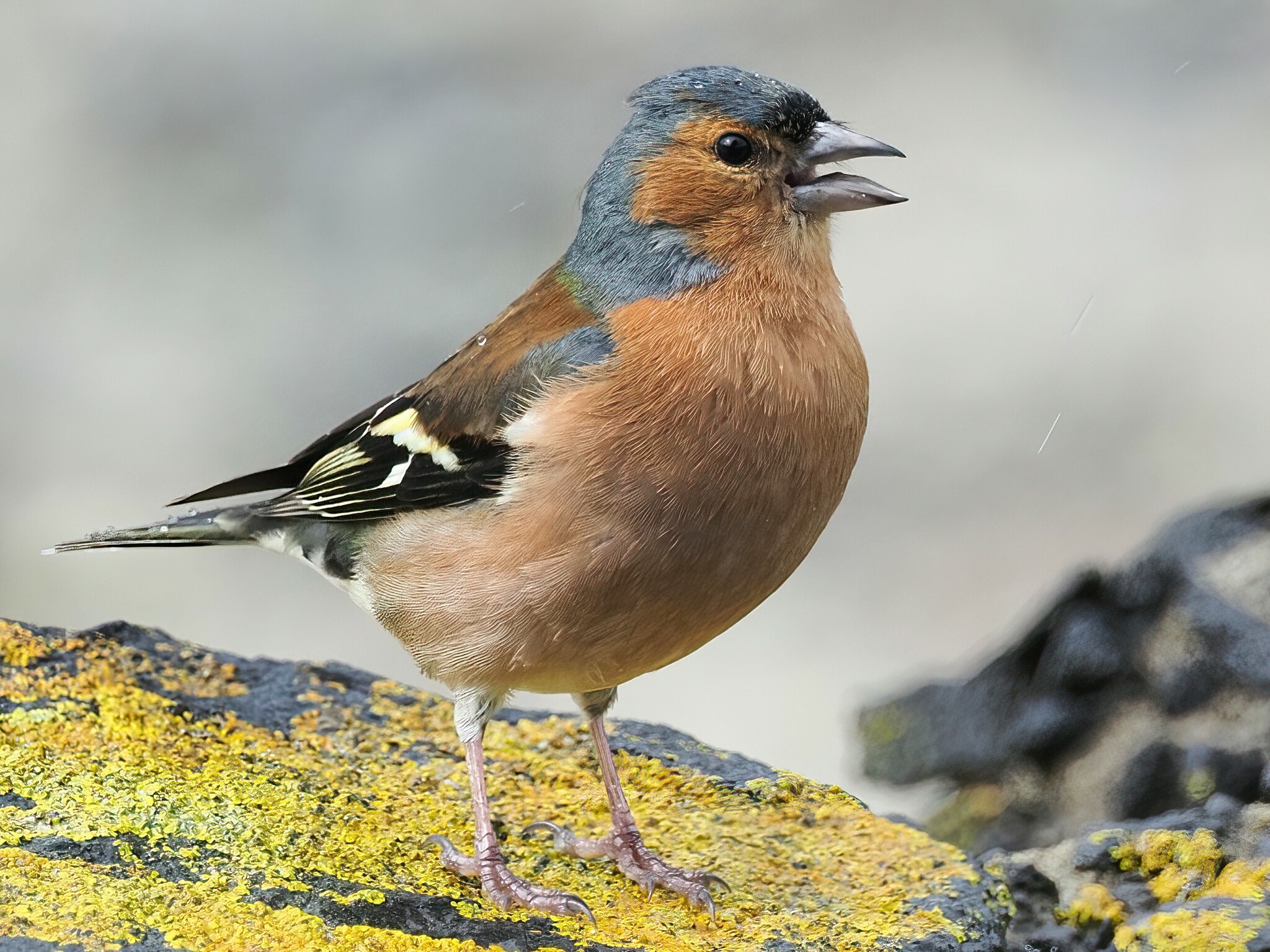
Common Chaffinch (Fringilla coelebs) Common Chaffinch
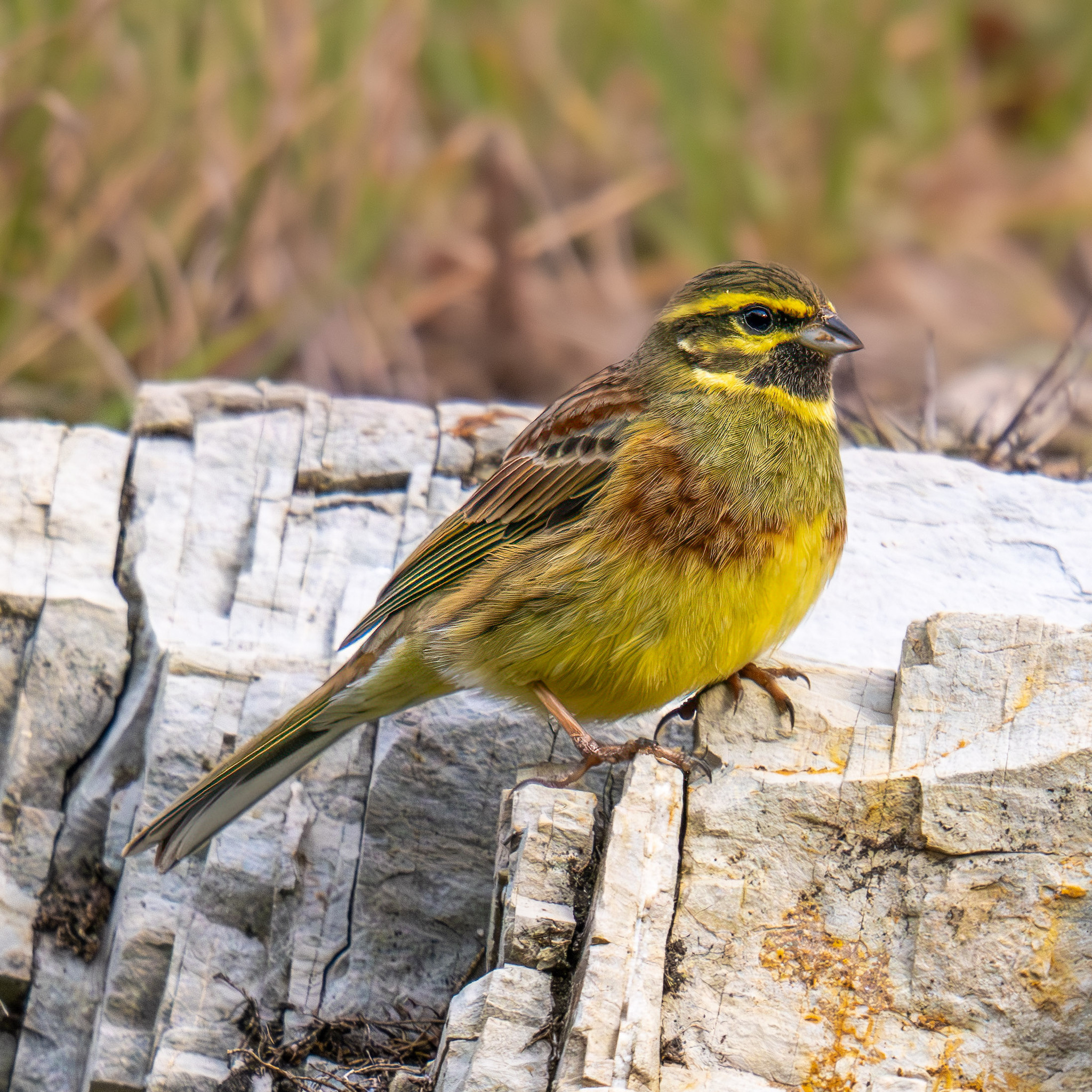
Cirl Bunting (Emberiza cirlus) Cirl Bunting

Media

Loading…

In short

The Common Chaffinch and Cirl Bunting can be distinguished by their plumage and habitat preferences. The Chaffinch has a distinctive slate-blue crown and pinkish-rust underparts in males, while the Cirl Bunting features a striking black and yellow head pattern. Both species occupy different habitats, with Chaffinches favoring wooded areas and gardens, and Cirl Buntings preferring open countryside.

Identification tips

  1. Head Pattern: Look for the slate-blue crown in male Chaffinches versus the black and yellow head of male Cirl Buntings. 2. Habitat: Consider the environment; Chaffinches are more likely in wooded areas, while Cirl Buntings are found in open countryside. 3. Song: Listen for the Chaffinch's descending song and regional 'rain call' compared to the Cirl Bunting's simpler song.

Size

Both species are similar in size, typical of small passerines.

Plumage

Male Common Chaffinches have a slate-blue crown and pinkish-rust underparts, with bold white wingbars. Female Chaffinches are muted olive-brown. Cirl Buntings, particularly males, have a distinctive black and yellow head pattern, with a greenish back and chestnut underparts. Females are more subdued but still show a hint of the head pattern.

Behaviour

Chaffinches are known for their cultural song learning and regional call dialects. Cirl Buntings are less studied in this regard but are typically more ground-feeding.

Habitat

Common Chaffinches are versatile, found in wooded habitats and gardens, while Cirl Buntings prefer open countryside, often near farmland.

Voice

Chaffinches have a distinctive descending song and a 'rain call' that varies regionally. Cirl Buntings have a simpler, repetitive song that is less variable.

Submit a better description

Use the same sections as the comparison. Your text is published immediately.

The Common Chaffinch and Cirl Bunting can be distinguished by their plumage and habitat preferences. The Chaffinch has a distinctive slate-blue crown and pinkish-rust underparts in males, while the Cirl Bunting features a striking black and yellow head pattern. Both species occupy different habitats, with Chaffinches favoring wooded areas and gardens, and Cirl Buntings preferring open countryside.

  1. Head Pattern: Look for the slate-blue crown in male Chaffinches versus the black and yellow head of male Cirl Buntings. 2. Habitat: Consider the environment; Chaffinches are more likely in wooded areas, while Cirl Buntings are found in open countryside. 3. Song: Listen for the Chaffinch's descending song and regional 'rain call' compared to the Cirl Bunting's simpler song.

Both species are similar in size, typical of small passerines.

Male Common Chaffinches have a slate-blue crown and pinkish-rust underparts, with bold white wingbars. Female Chaffinches are muted olive-brown. Cirl Buntings, particularly males, have a distinctive black and yellow head pattern, with a greenish back and chestnut underparts. Females are more subdued but still show a hint of the head pattern.

Chaffinches are known for their cultural song learning and regional call dialects. Cirl Buntings are less studied in this regard but are typically more ground-feeding.

Common Chaffinches are versatile, found in wooded habitats and gardens, while Cirl Buntings prefer open countryside, often near farmland.

Chaffinches have a distinctive descending song and a 'rain call' that varies regionally. Cirl Buntings have a simpler, repetitive song that is less variable.

Discard your changes?

You have unsaved edits. If you leave now, those changes will be lost.

Common Chaffinch · Cirl Bunting · My Tricky Birds