Birdr

Common Crossbill vs Cassia Crossbill

Loxia curvirostra versus Loxia sinesciuris

Play a quiz with Common Crossbill and Cassia Crossbill
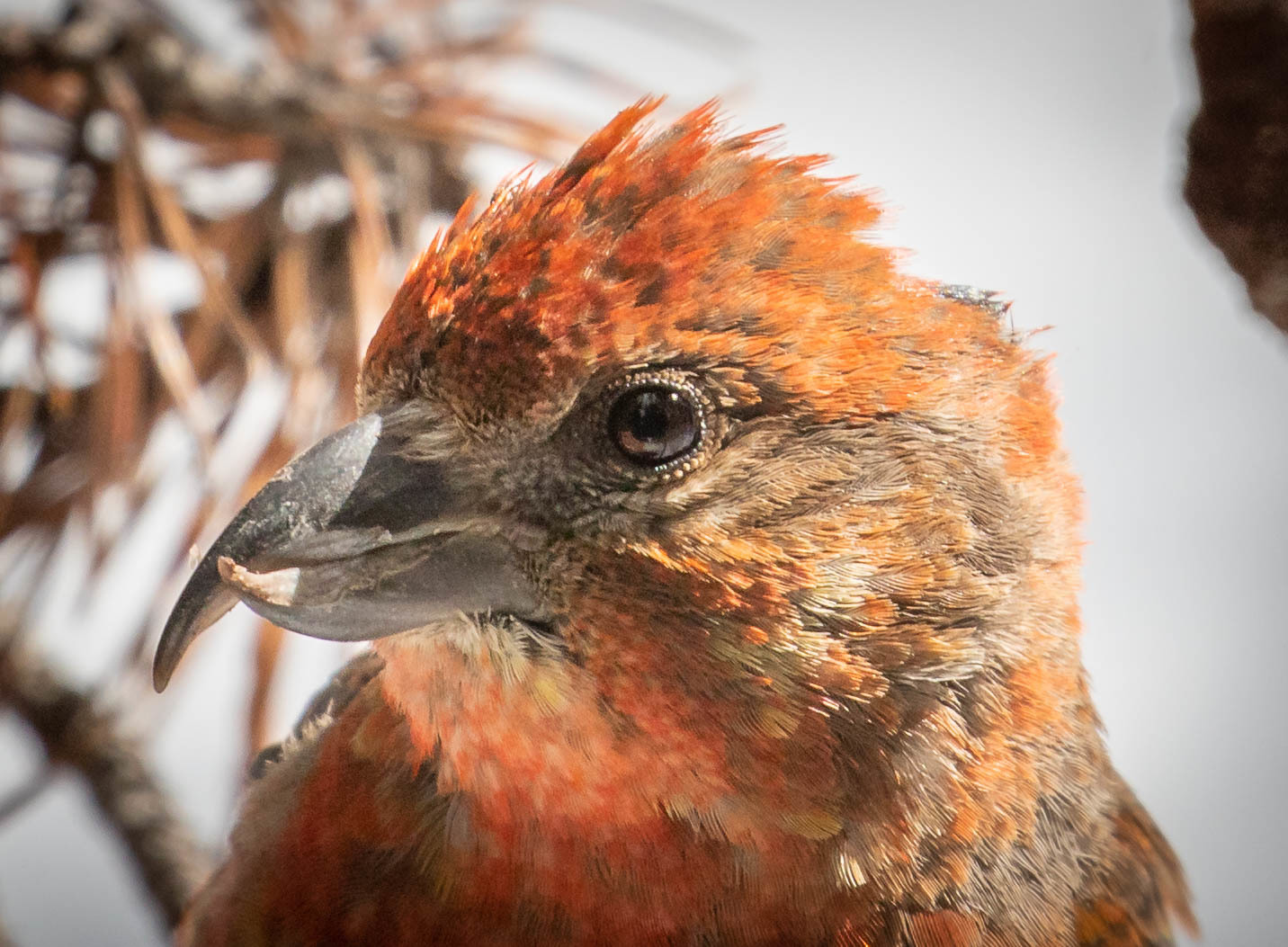
Common Crossbill (Loxia curvirostra) Common Crossbill
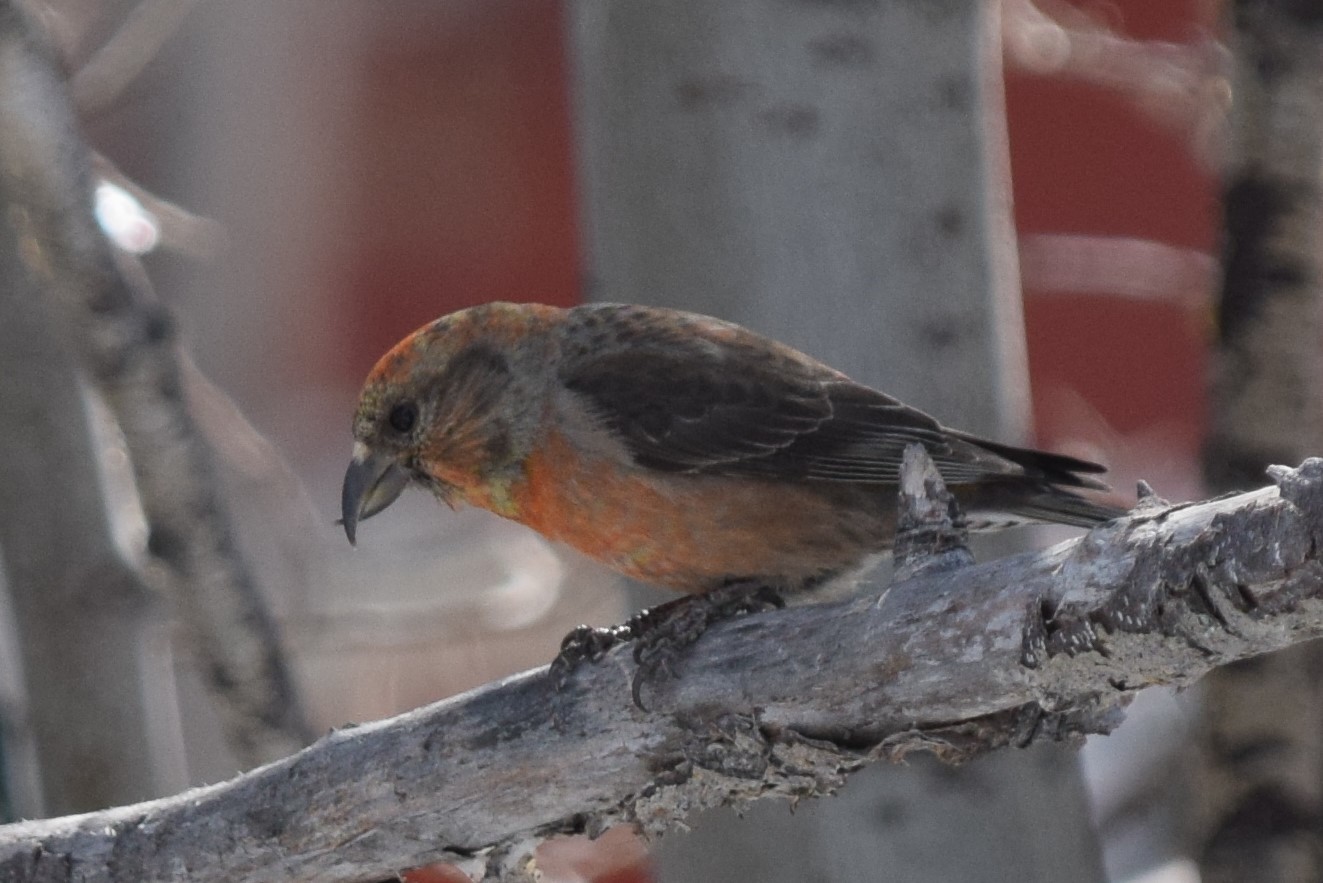
Cassia Crossbill (Loxia sinesciuris) Cassia Crossbill

Media

Loading…

In short

The Common Crossbill (Loxia curvirostra) and Cassia Crossbill (Loxia sinesciuris) are closely related and can be challenging to distinguish in the field. The most reliable difference is their vocalizations, with distinct call types. Structurally, both species have similar stout, crossed bills adapted for extracting seeds from conifer cones.

Identification tips

  1. Listen for vocalizations: Cassia Crossbill has a unique call type. 2. Check location: Cassia Crossbill is primarily found in southern Idaho. 3. Observe behavior: Both species forage on conifer seeds, but habitat preference can provide clues. 4. Consider plumage last: Color variations are not reliable for distinguishing these species.

Size

Both species are similar in size, typical of crossbills, with no notable differences in overall dimensions.

Plumage

Plumage is generally similar between the two species, with both exhibiting variations in red and greenish tones depending on age and sex. Color is not a reliable distinguishing feature.

Behaviour

Both species exhibit similar foraging behaviors, specializing in extracting seeds from conifer cones. They may show preference for different conifer species based on local availability.

Habitat

The Common Crossbill is more widespread, found in a variety of coniferous forests across its range. The Cassia Crossbill is more localized, primarily in southern Idaho, associated with lodgepole pine forests.

Voice

Vocalizations are the key distinguishing feature. The Cassia Crossbill has a unique call type that is distinct from the various call types of the Common Crossbill. Listening for these differences is crucial for identification.

Submit a better description

Use the same sections as the comparison. Your text is published immediately.

The Common Crossbill (Loxia curvirostra) and Cassia Crossbill (Loxia sinesciuris) are closely related and can be challenging to distinguish in the field. The most reliable difference is their vocalizations, with distinct call types. Structurally, both species have similar stout, crossed bills adapted for extracting seeds from conifer cones.

  1. Listen for vocalizations: Cassia Crossbill has a unique call type. 2. Check location: Cassia Crossbill is primarily found in southern Idaho. 3. Observe behavior: Both species forage on conifer seeds, but habitat preference can provide clues. 4. Consider plumage last: Color variations are not reliable for distinguishing these species.

Both species are similar in size, typical of crossbills, with no notable differences in overall dimensions.

Plumage is generally similar between the two species, with both exhibiting variations in red and greenish tones depending on age and sex. Color is not a reliable distinguishing feature.

Both species exhibit similar foraging behaviors, specializing in extracting seeds from conifer cones. They may show preference for different conifer species based on local availability.

The Common Crossbill is more widespread, found in a variety of coniferous forests across its range. The Cassia Crossbill is more localized, primarily in southern Idaho, associated with lodgepole pine forests.

Vocalizations are the key distinguishing feature. The Cassia Crossbill has a unique call type that is distinct from the various call types of the Common Crossbill. Listening for these differences is crucial for identification.

Discard your changes?

You have unsaved edits. If you leave now, those changes will be lost.

Common Crossbill · Cassia Crossbill · My Tricky Birds