
Common Crossbill vs Yellow-throated Warbler
Loxia curvirostra versus Setophaga dominica
Play a quiz with Common Crossbill and Yellow-throated Warbler
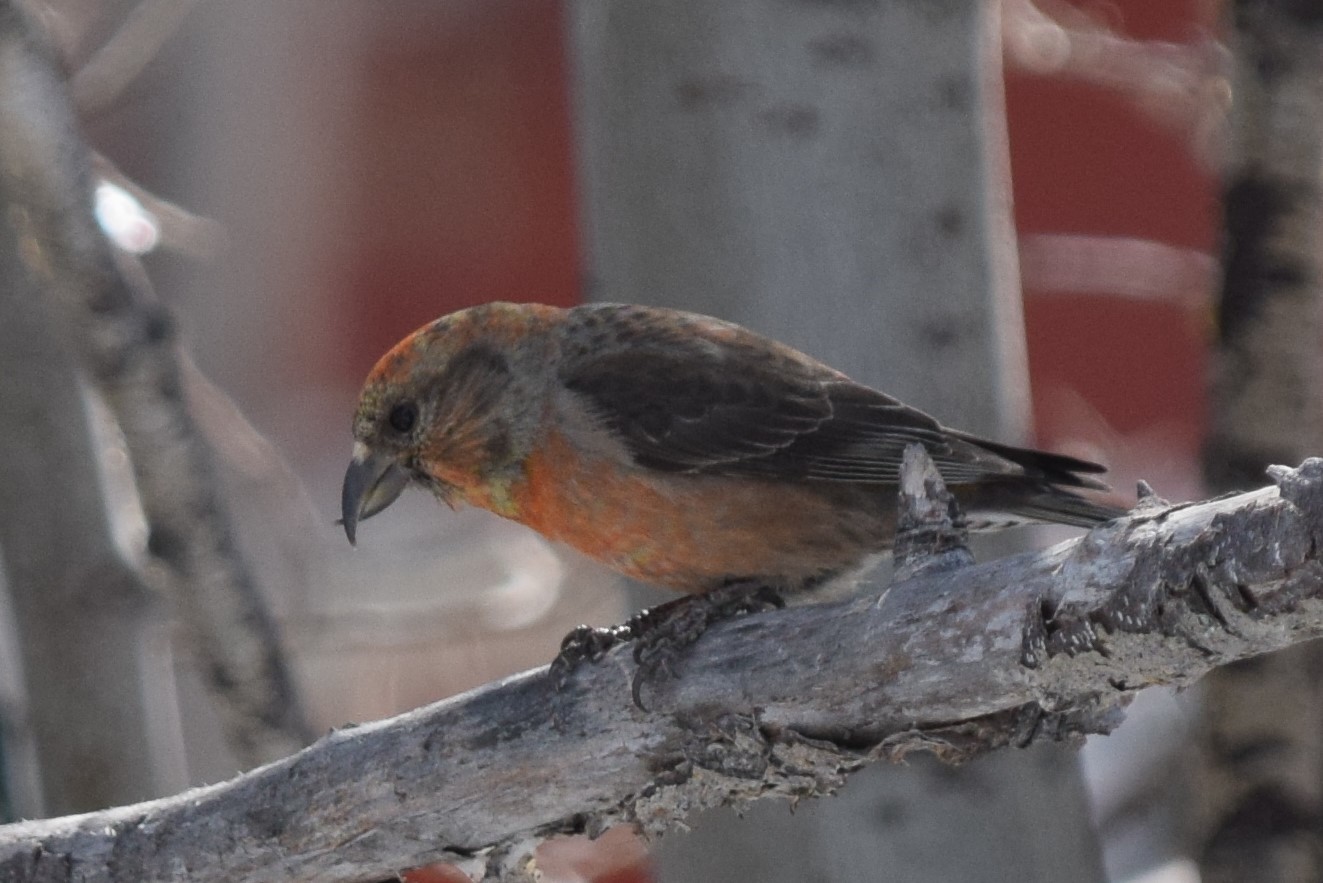 Common Crossbill
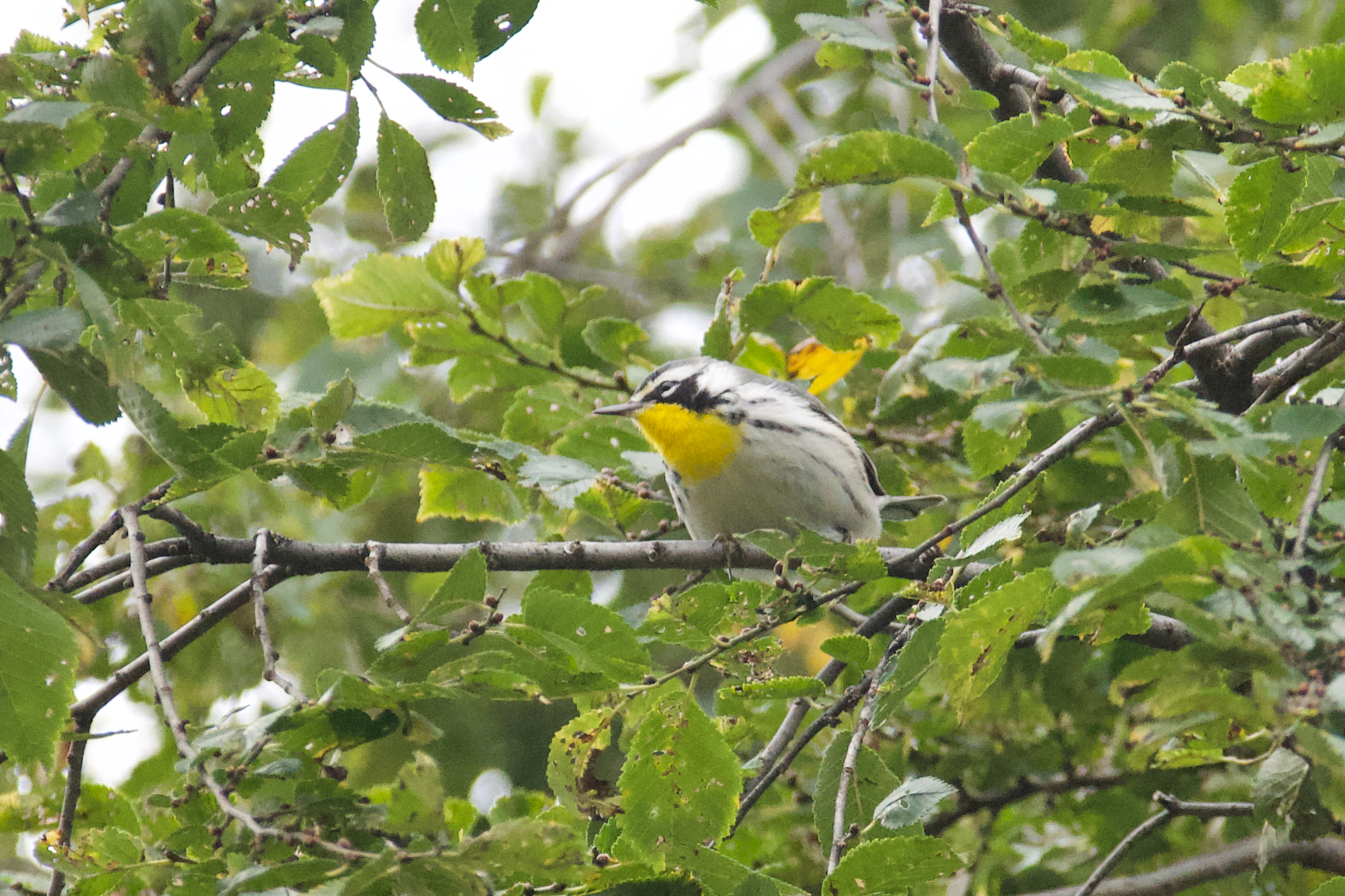 Yellow-throated Warbler
In short
The Common Crossbill and Yellow-throated Warbler are easily distinguished by their size, bill shape, and habitat preferences. The Common Crossbill, with its distinctive crossed bill, is adapted for extracting seeds from conifer cones, while the Yellow-throated Warbler is a smaller bird with a pointed bill, often seen high in the canopy of southeastern U.S. forests.
Identification tips
1. Bill Shape: Look for the distinctive crossed bill of the Common Crossbill, which is adapted for extracting seeds from cones. The Yellow-throated Warbler has a slender, pointed bill. 2. Plumage: Note the bright yellow throat and black streaks of the Yellow-throated Warbler, contrasting with the red or orange hues of the Common Crossbill. 3. Habitat: Observe the habitat; crossbills are in coniferous forests, while warblers are in southeastern U.S. woodlands. 4. Behavior: Crossbills are often in flocks, while the warbler moves deliberately and creeps along branches.
Size
The Common Crossbill is larger and more robust than the Yellow-throated Warbler.
Plumage
Common Crossbills have a red or orange hue in males and a more subdued olive or brown in females, while Yellow-throated Warblers are characterized by their bright yellow throat, white belly, and black streaks on the sides.
Behaviour
Common Crossbills are often seen in flocks, feeding on conifer cones, whereas Yellow-throated Warblers are more solitary, moving deliberately and often creeping along branches like a Black-and-white Warbler.
Habitat
Common Crossbills are found in coniferous forests, often at higher elevations, while Yellow-throated Warblers prefer wooded stream bottomlands, cypress swamps, and upland pine forests in the southeastern United States.
Voice
Common Crossbills have varied call types associated with different conifer species, while Yellow-throated Warblers have a loud, clear song that is one of the earliest signs of spring in their range.
Common Crossbill · Yellow-throated Warbler · My Tricky Birds