
Common Cuckoo vs Crested Lark
Cuculus canorus versus Galerida cristata
Play a quiz with Common Cuckoo and Crested Lark
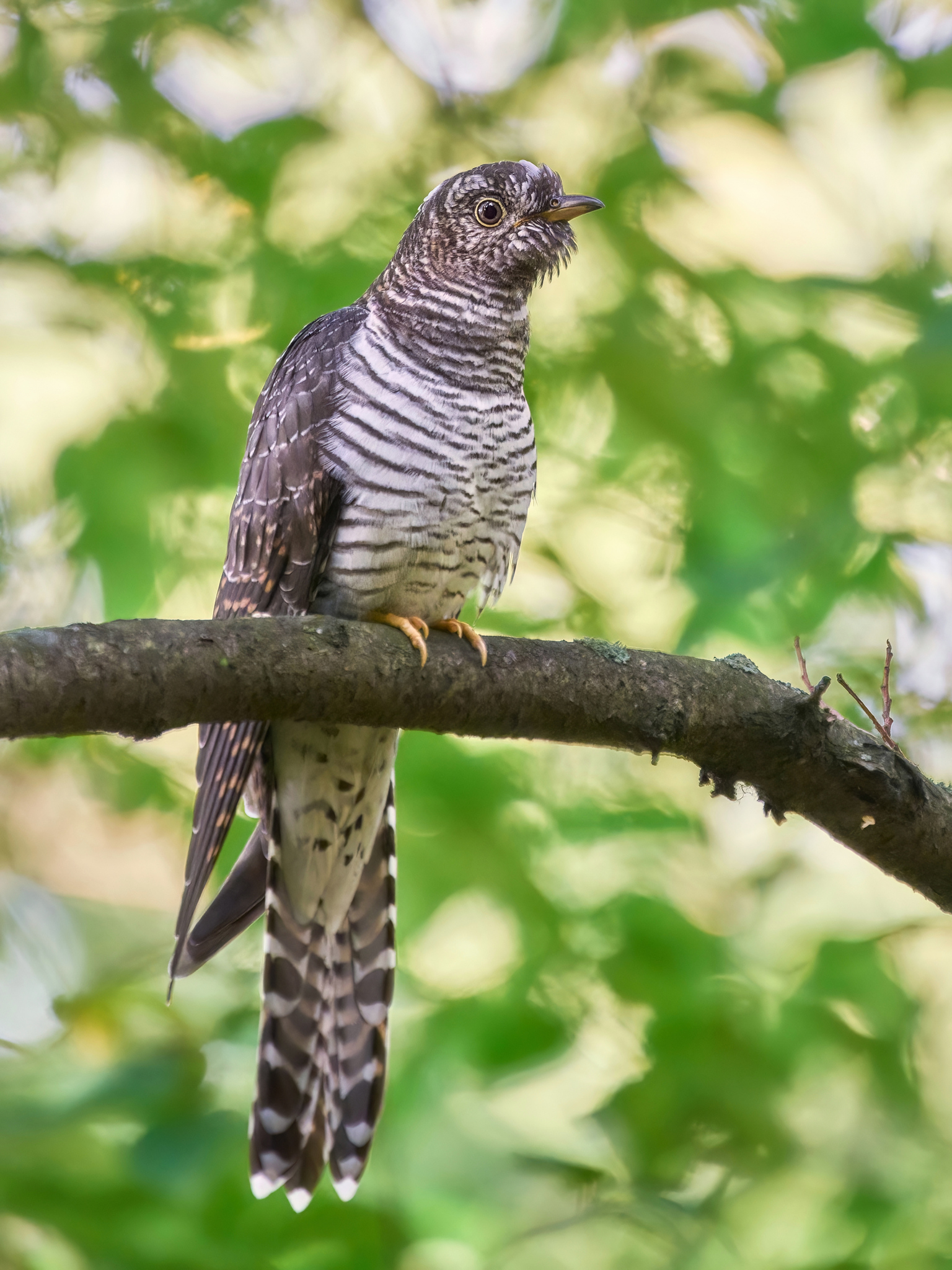 Common Cuckoo
 Crested Lark
In short
The Common Cuckoo (Cuculus canorus) and the Crested Lark (Galerida cristata) are two distinctly different bird species, both in appearance and behavior. The Cuckoo is known for its distinctive call and brood parasitism, while the Crested Lark features a prominent crest and a more terrestrial lifestyle. Their habitats also differ significantly, with the Cuckoo favoring wooded areas and the Crested Lark thriving in open, dry landscapes.
Identification tips
- Birds of the World Similar-Species Diagnostics:
-
The Common Cuckoo is identifiable by its "grayish-brown plumage with fine barring," while the Crested Lark is "usually grayer and darker than other similar species." The Crested Lark can also be distinguished from the Eurasian Skylark by “longer bill with a straight lower mandible and usually longer and spikier crest” (from Birds of the World).
-
AI Field Diagnostics:
- Size and Shape: The Common Cuckoo is significantly larger than the Crested Lark. Birdwatchers should note the cuckoo's longer tail and slender body shape compared to the stockier, shorter Crested Lark.
- Crest and Patterns: Look for the prominent crest of the Crested Lark, which is absent in the Common Cuckoo. The streaking on the lark’s plumage may help it blend into its environment, while the cuckoo's barring is less pronounced.
- Behavior and Habitat: The Cuckoo is often seen perched high and calling, while the Crested Lark is more likely to be found on the ground, running or foraging. Observing the habitat can provide clues: wooded areas for Cuckoos and open, dry regions for Crested Larks.
- Vocalization: Listen for the unmistakable "cu-coo" of the Common Cuckoo, which is different from the Crested Lark’s varied and melodious song.
By focusing on these characteristics, birdwatchers can effectively distinguish between these two species in the field.
Size
- Common Cuckoo: Typically measures about 32-34 cm in length, with a wingspan of 65-75 cm. They have a slender body shape and a long tail.
- Crested Lark: Generally smaller, measuring around 18-20 cm in length. They have a wingspan of about 30-36 cm and a more compact body structure.
Plumage
- Common Cuckoo: The adult plumage is grayish-brown with fine barring on the underparts, giving it a somewhat subdued appearance. The cuckoo's tail is long and has white tips.
- Crested Lark: This species has a streaked brownish plumage that often blends with the local soil types. The crest is a key identifying feature, being longer and spikier compared to other larks, and they are usually grayer and darker than some similar species.
Behaviour
- Common Cuckoo: The Cuckoo is known for its brood parasitism, laying eggs in the nests of other birds. Its flight is characterized as fast and straight. Cuckoos are often seen perched conspicuously on trees or utility wires.
- Crested Lark: The Crested Lark is often found foraging on the ground, displaying a more terrestrial behavior. They are seen in open areas, often running and taking short flights, usually with a series of rapid wingbeats.
Habitat
- Common Cuckoo: Prefers wooded or shrubby habitats, often found in areas with sparse trees where they can easily find host nests for laying their eggs. Their range extends across Europe and Asia.
- Crested Lark: Inhabits dry, open areas with sparse vegetation, such as agricultural fields, roadsides, and sandy soils. They are commonly found across Europe, North Africa, and parts of Asia.
Voice
- Common Cuckoo: The most recognizable feature of this species is its distinctive call, a repetitive "cu-coo" sound, which is often heard in spring. Their vocalizations are primarily associated with male calls during the breeding season.
- Crested Lark: Known for its elaborate song, the Crested Lark produces a series of varied jumbled twitters, trills, and warbles. They also give a plaintive “ch’wee” call, particularly when alarmed.