Birdr

Common Eider vs Chestnut-sided Warbler

Somateria mollissima versus Setophaga pensylvanica

Play a quiz with Common Eider and Chestnut-sided Warbler
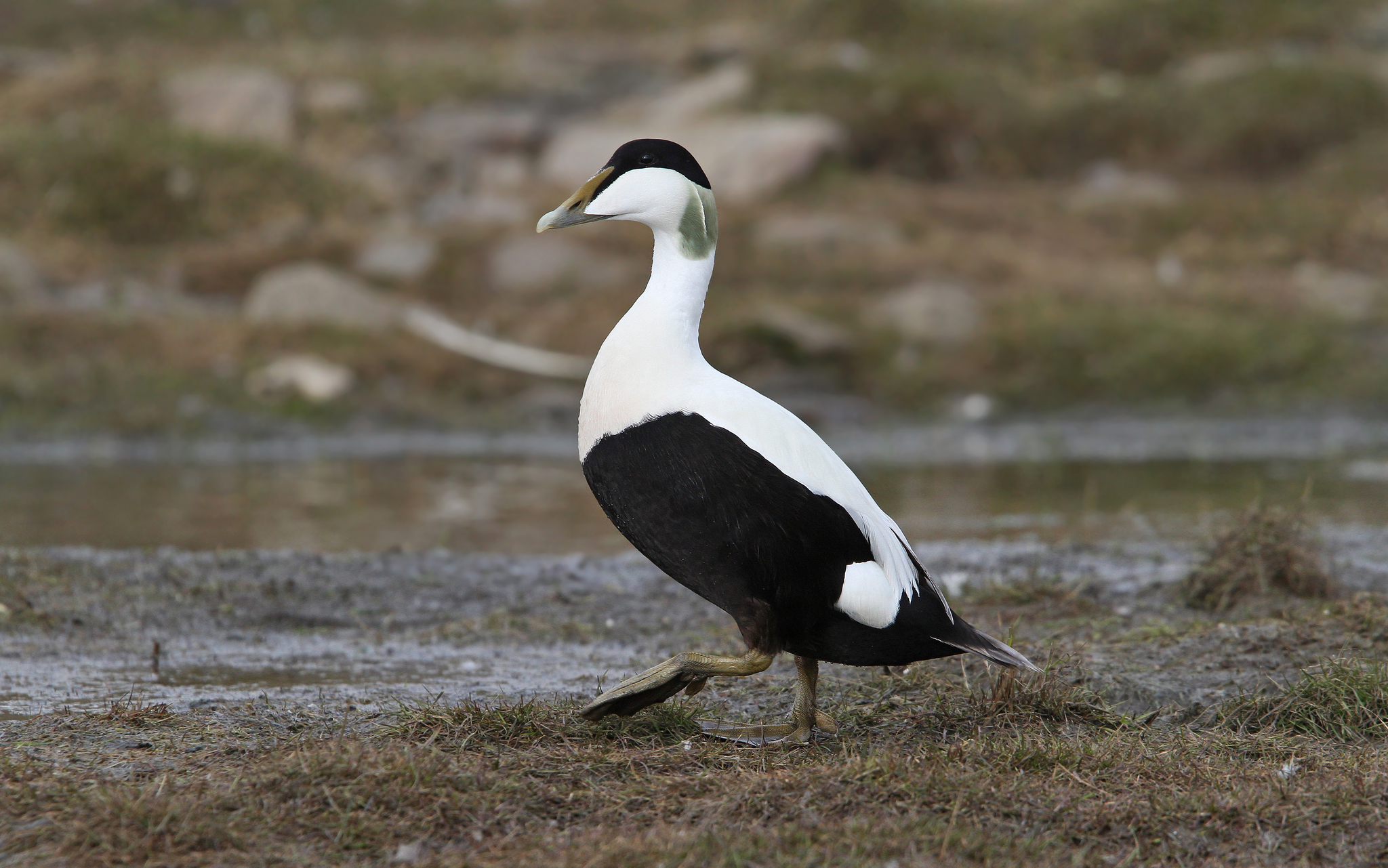
Common Eider (Somateria mollissima) Common Eider
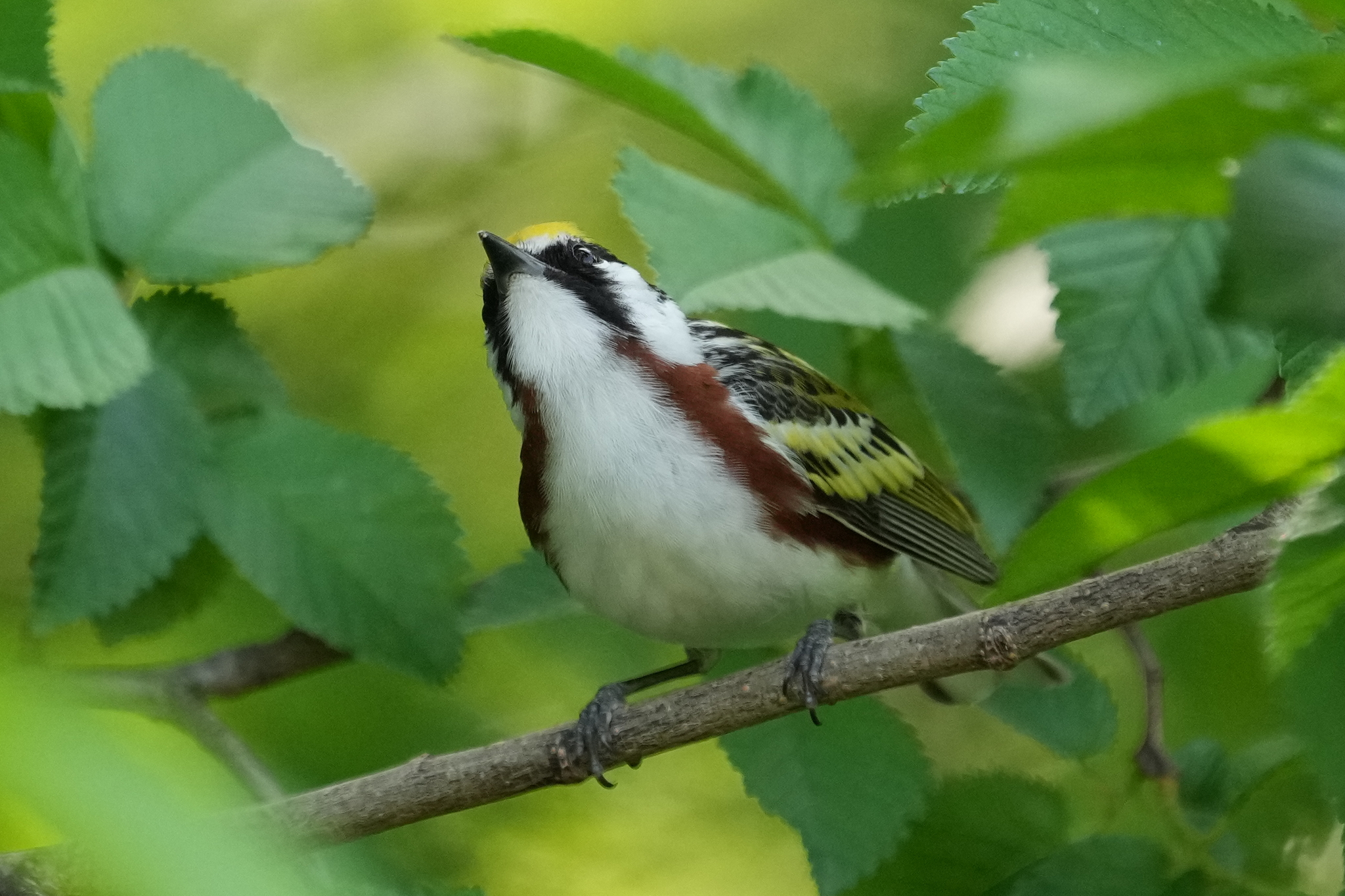
Chestnut-sided Warbler (Setophaga pensylvanica) Chestnut-sided Warbler

Media

Loading…

In short

The Common Eider and Chestnut-sided Warbler are easily distinguished by size and habitat. The Eider is a large sea duck, while the Warbler is a small, colorful songbird found in forests. Their plumage and behaviors are also distinct, making them unlikely to be confused in the field.

Identification tips

  1. Size and Shape: Look for the large size and duck-like shape of the Eider compared to the small, agile form of the Warbler. 2. Habitat: Note the coastal presence of Eiders versus the forest habitat of Warblers. 3. Plumage: Check for the Eider's black and white coloration versus the Warbler's yellow and chestnut tones. 4. Behavior: Observe the Eider's diving behavior compared to the Warbler's active foraging and tail-cocking. 5. Vocalization: Listen for the Warbler's distinctive song, absent in Eiders.

Size

The Common Eider is significantly larger, about the size of a goose, whereas the Chestnut-sided Warbler is a small bird, similar in size to a sparrow.

Plumage

The Common Eider has a predominantly white and black plumage with a distinctive sloping forehead and greenish nape in males. The Chestnut-sided Warbler is much smaller with a striking yellow crown, white underparts, and chestnut flanks.

Behaviour

Common Eiders are often seen in groups on coastal waters, diving for food. Chestnut-sided Warblers are active foragers, moving through foliage with a distinctive tail-cocking behavior.

Habitat

Common Eiders inhabit coastal marine environments, often seen on rocky shores or open water. Chestnut-sided Warblers prefer deciduous forests and shrubby areas, especially during migration and breeding seasons.

Voice

Common Eiders are generally silent but may produce low cooing sounds. Chestnut-sided Warblers have a distinctive song, often transcribed as "please, please, pleased to meetcha," used to attract mates and establish territory.

Submit a better description

Use the same sections as the comparison. Your text is published immediately.

The Common Eider and Chestnut-sided Warbler are easily distinguished by size and habitat. The Eider is a large sea duck, while the Warbler is a small, colorful songbird found in forests. Their plumage and behaviors are also distinct, making them unlikely to be confused in the field.

  1. Size and Shape: Look for the large size and duck-like shape of the Eider compared to the small, agile form of the Warbler. 2. Habitat: Note the coastal presence of Eiders versus the forest habitat of Warblers. 3. Plumage: Check for the Eider's black and white coloration versus the Warbler's yellow and chestnut tones. 4. Behavior: Observe the Eider's diving behavior compared to the Warbler's active foraging and tail-cocking. 5. Vocalization: Listen for the Warbler's distinctive song, absent in Eiders.

The Common Eider is significantly larger, about the size of a goose, whereas the Chestnut-sided Warbler is a small bird, similar in size to a sparrow.

The Common Eider has a predominantly white and black plumage with a distinctive sloping forehead and greenish nape in males. The Chestnut-sided Warbler is much smaller with a striking yellow crown, white underparts, and chestnut flanks.

Common Eiders are often seen in groups on coastal waters, diving for food. Chestnut-sided Warblers are active foragers, moving through foliage with a distinctive tail-cocking behavior.

Common Eiders inhabit coastal marine environments, often seen on rocky shores or open water. Chestnut-sided Warblers prefer deciduous forests and shrubby areas, especially during migration and breeding seasons.

Common Eiders are generally silent but may produce low cooing sounds. Chestnut-sided Warblers have a distinctive song, often transcribed as "please, please, pleased to meetcha," used to attract mates and establish territory.

Discard your changes?

You have unsaved edits. If you leave now, those changes will be lost.

Common Eider · Chestnut-sided Warbler · My Tricky Birds