Birdr

Common Eider vs Great Bustard

Somateria mollissima versus Otis tarda

Play a quiz with Common Eider and Great Bustard
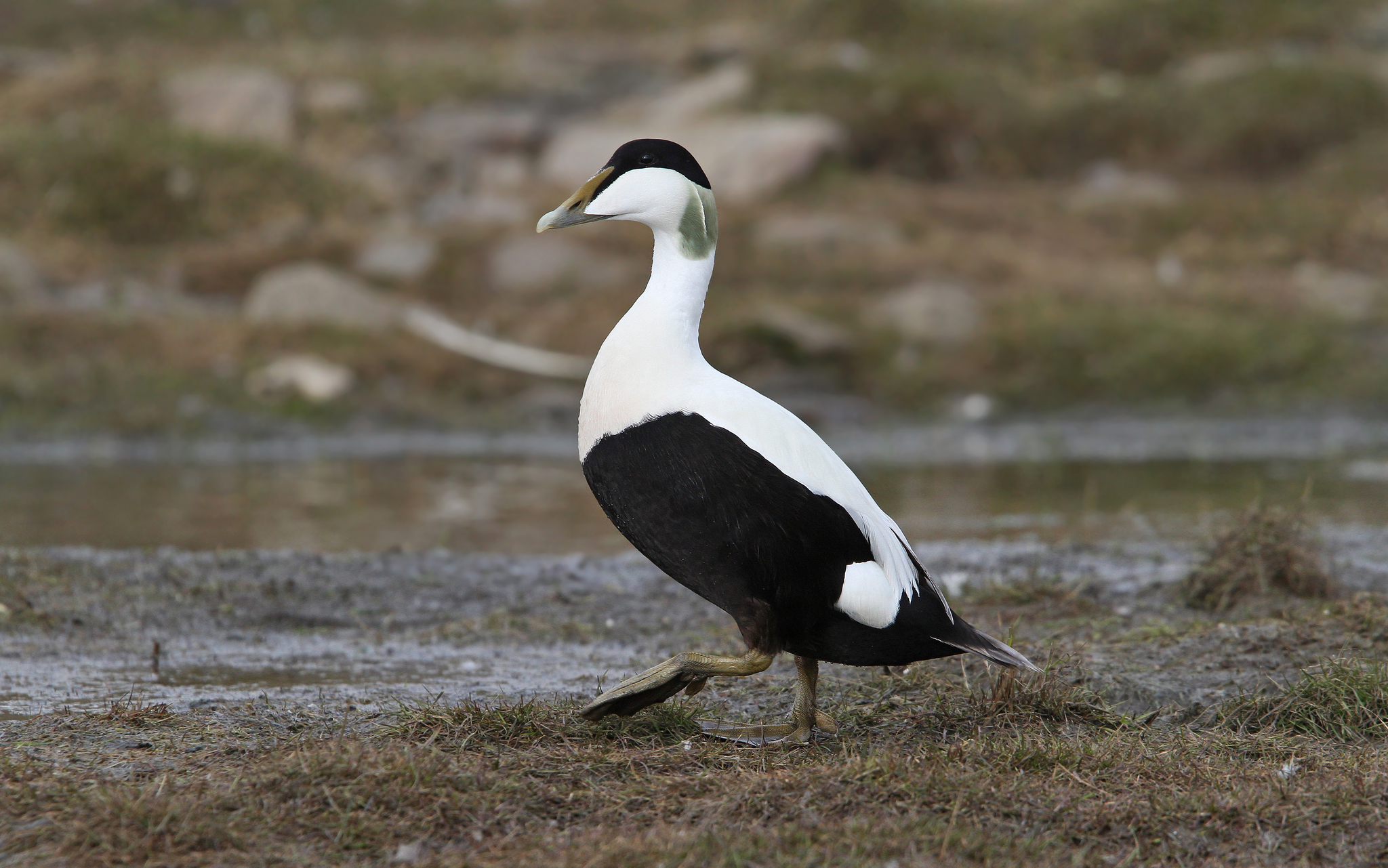
Common Eider (Somateria mollissima) Common Eider
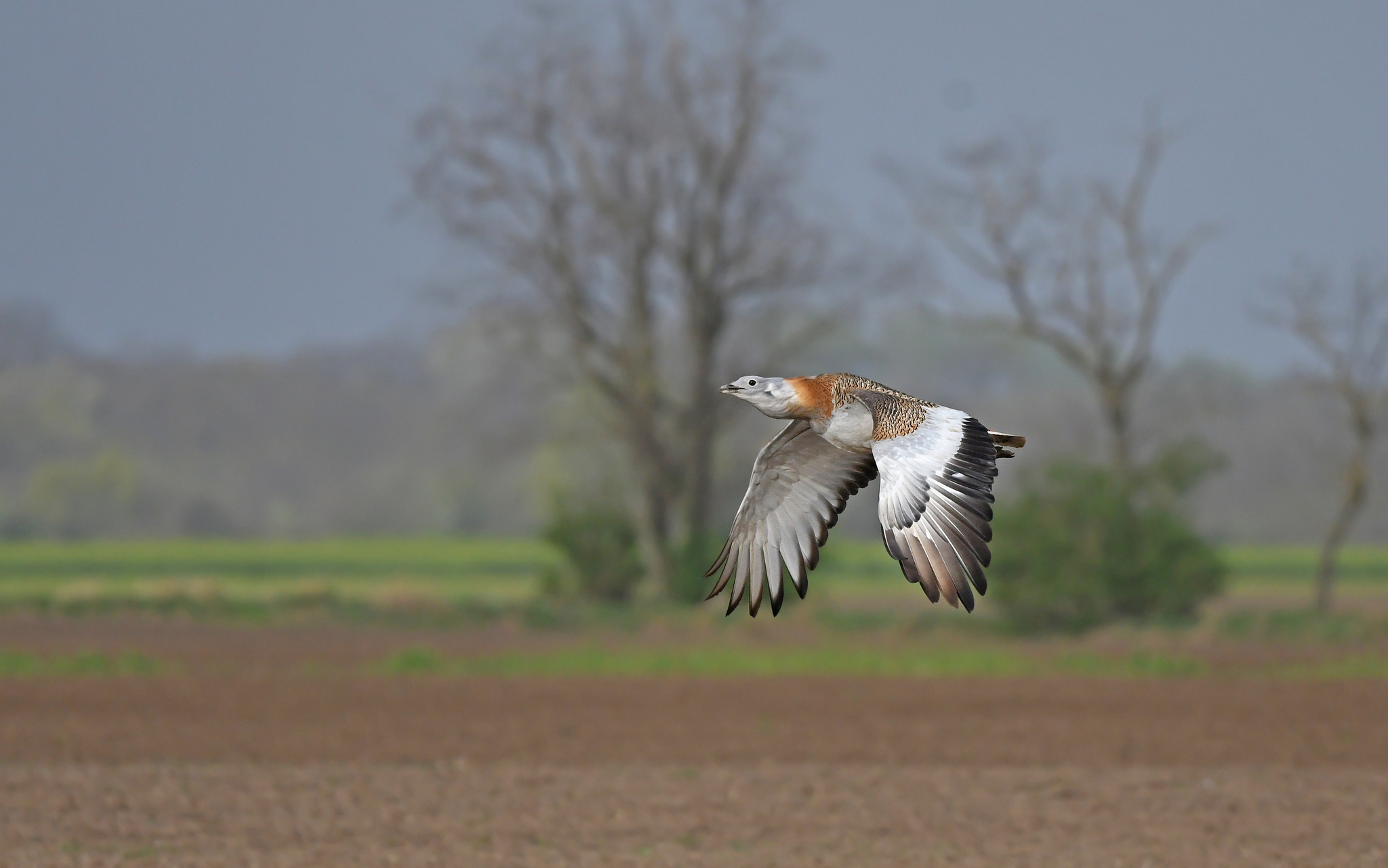
Great Bustard (Otis tarda) Great Bustard

Media

Loading…

In short

The Common Eider and Great Bustard are vastly different in appearance and habitat, making them easy to distinguish in the field. The Eider is a large sea duck with a distinctive sloping forehead and black-and-white plumage in males, while the Great Bustard is a large terrestrial bird with a robust body and brownish plumage. They occupy different environments, with the Eider found in coastal areas and the Bustard in open grasslands.

Identification tips

  1. Location: Eiders are coastal; Bustards are inland. 2. Size: Bustards are much larger and bulkier. 3. Plumage: Look for the Eider's black-and-white contrast in males; Bustards are more uniformly brown. 4. Behavior: Eiders dive in water; Bustards walk on land. 5. Vocalizations: Listen for Eider's cooing near water; Bustards are mostly silent.

Size

The Great Bustard is significantly larger than the Common Eider, with the Bustard being one of the heaviest flying birds.

Plumage

Male Common Eiders have striking black-and-white plumage, while females are mottled brown. Great Bustards have a more uniform brownish body with white underparts and a distinctive white neck in males.

Behaviour

Common Eiders are often seen diving for food in coastal waters, while Great Bustards are ground-dwelling and known for their elaborate mating displays on open fields.

Habitat

Common Eiders are found in coastal marine environments, often near rocky shores. Great Bustards inhabit open grasslands and steppe regions, far from coastal areas.

Voice

The Common Eider's vocalizations include a variety of cooing and grunting sounds, while the Great Bustard is generally silent, with males producing low booming calls during displays.

Submit a better description

Use the same sections as the comparison. Your text is published immediately.

The Common Eider and Great Bustard are vastly different in appearance and habitat, making them easy to distinguish in the field. The Eider is a large sea duck with a distinctive sloping forehead and black-and-white plumage in males, while the Great Bustard is a large terrestrial bird with a robust body and brownish plumage. They occupy different environments, with the Eider found in coastal areas and the Bustard in open grasslands.

  1. Location: Eiders are coastal; Bustards are inland. 2. Size: Bustards are much larger and bulkier. 3. Plumage: Look for the Eider's black-and-white contrast in males; Bustards are more uniformly brown. 4. Behavior: Eiders dive in water; Bustards walk on land. 5. Vocalizations: Listen for Eider's cooing near water; Bustards are mostly silent.

The Great Bustard is significantly larger than the Common Eider, with the Bustard being one of the heaviest flying birds.

Male Common Eiders have striking black-and-white plumage, while females are mottled brown. Great Bustards have a more uniform brownish body with white underparts and a distinctive white neck in males.

Common Eiders are often seen diving for food in coastal waters, while Great Bustards are ground-dwelling and known for their elaborate mating displays on open fields.

Common Eiders are found in coastal marine environments, often near rocky shores. Great Bustards inhabit open grasslands and steppe regions, far from coastal areas.

The Common Eider's vocalizations include a variety of cooing and grunting sounds, while the Great Bustard is generally silent, with males producing low booming calls during displays.

Discard your changes?

You have unsaved edits. If you leave now, those changes will be lost.

Common Eider · Great Bustard · My Tricky Birds