Birdr

Common Firecrest vs Wallcreeper

Regulus ignicapilla versus Tichodroma muraria

Play a quiz with Common Firecrest and Wallcreeper
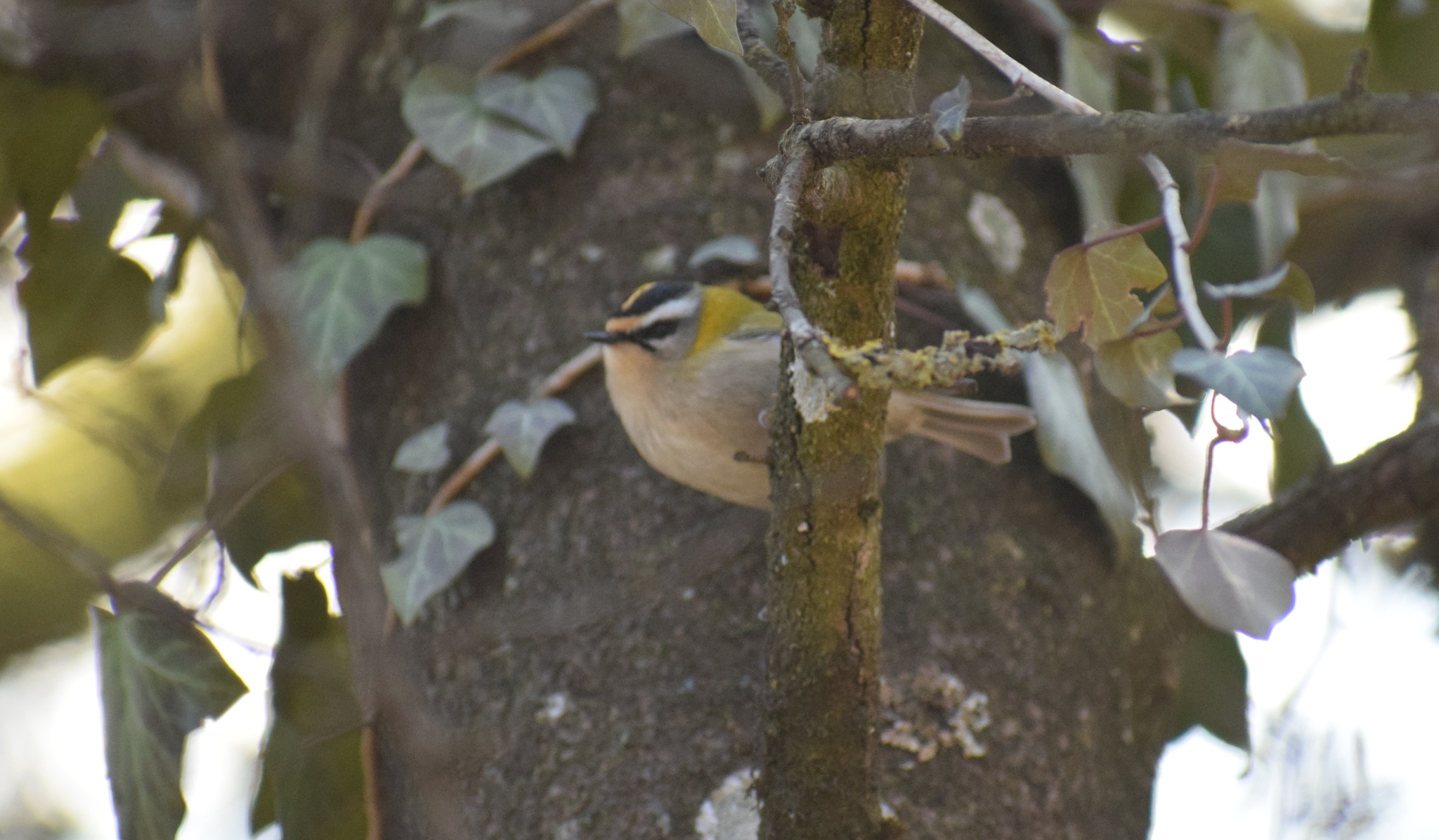
Common Firecrest (Regulus ignicapilla) Common Firecrest
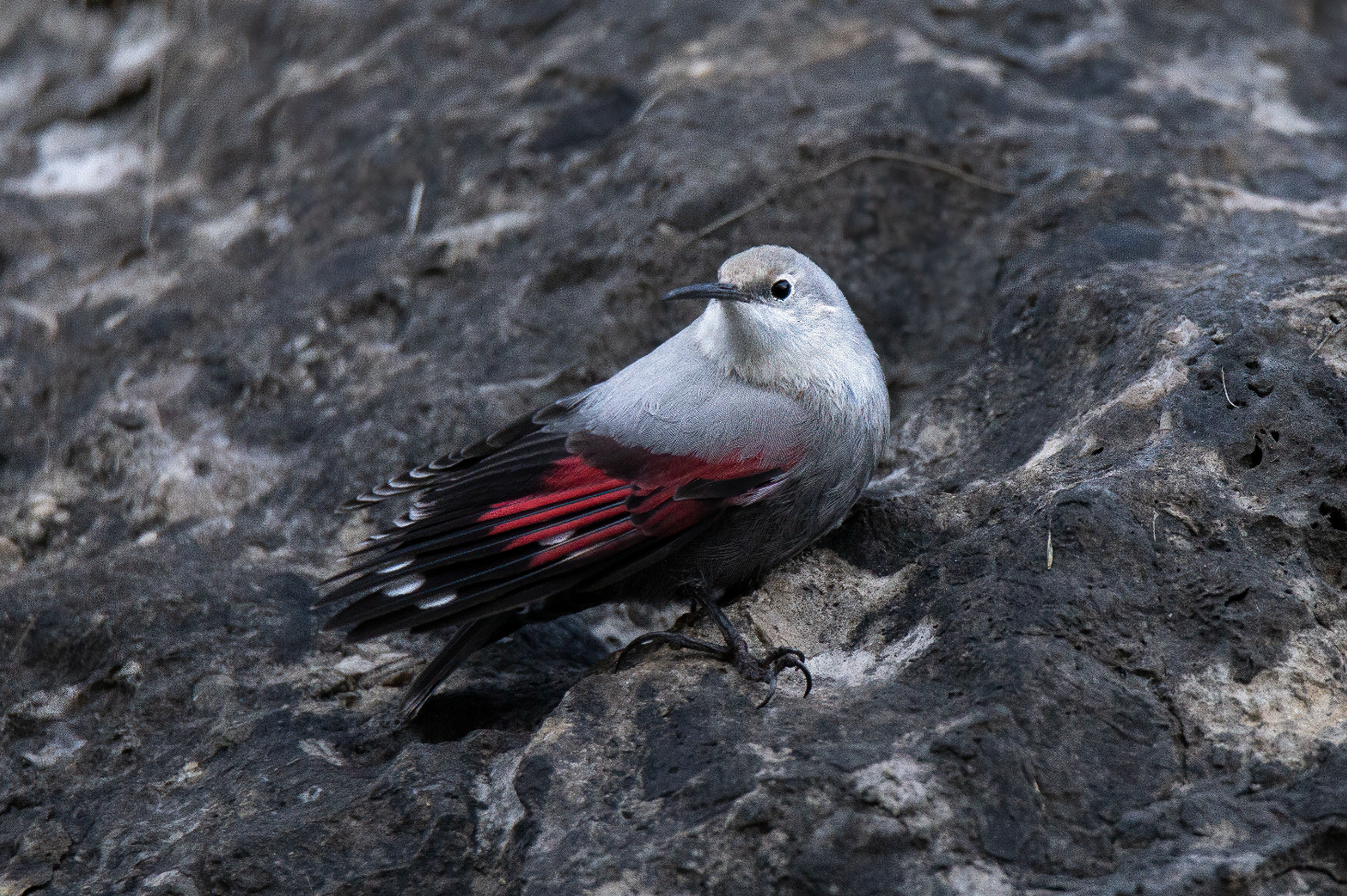
Wallcreeper (Tichodroma muraria) Wallcreeper

Media

Loading…

In short

The Common Firecrest and Wallcreeper are easily distinguished by their habitat and behavior. The Firecrest is a small, active bird of woodlands, while the Wallcreeper is a larger, striking bird often seen on rocky surfaces or man-made structures.

Identification tips

1. Habitat: Look for Firecrests in wooded areas and Wallcreepers on rocky surfaces or buildings. 2. Size and Shape: Wallcreepers are larger and have a unique wing pattern visible during flight. 3. Plumage: Firecrests have an orange crown stripe, while Wallcreepers have gray bodies with red and black wings. 4. Behavior: Note the Firecrest's active foraging in trees versus the Wallcreeper's rock-climbing and wing-flicking.

Size

The Wallcreeper is significantly larger than the Common Firecrest.

Plumage

The Common Firecrest has a distinctive orange crown stripe bordered by black, with a white supercilium. The Wallcreeper is unmistakable with its gray body and striking red, black, and white wing pattern.

Behaviour

The Firecrest is often seen flitting through trees, while the Wallcreeper is known for its unique rock-climbing behavior, often flicking its wings to reveal their colorful pattern.

Habitat

Common Firecrests are found in woodlands, particularly coniferous forests. Wallcreepers inhabit rocky, mountainous areas and can be found on cliffs or urban structures during winter.

Voice

The Common Firecrest has a high-pitched, fast-paced song, whereas the Wallcreeper's vocalizations are less frequently noted and not a primary identification feature.

Submit a better description

Use the same sections as the comparison. Your text is published immediately.

The Common Firecrest and Wallcreeper are easily distinguished by their habitat and behavior. The Firecrest is a small, active bird of woodlands, while the Wallcreeper is a larger, striking bird often seen on rocky surfaces or man-made structures.

1. Habitat: Look for Firecrests in wooded areas and Wallcreepers on rocky surfaces or buildings. 2. Size and Shape: Wallcreepers are larger and have a unique wing pattern visible during flight. 3. Plumage: Firecrests have an orange crown stripe, while Wallcreepers have gray bodies with red and black wings. 4. Behavior: Note the Firecrest's active foraging in trees versus the Wallcreeper's rock-climbing and wing-flicking.

The Wallcreeper is significantly larger than the Common Firecrest.

The Common Firecrest has a distinctive orange crown stripe bordered by black, with a white supercilium. The Wallcreeper is unmistakable with its gray body and striking red, black, and white wing pattern.

The Firecrest is often seen flitting through trees, while the Wallcreeper is known for its unique rock-climbing behavior, often flicking its wings to reveal their colorful pattern.

Common Firecrests are found in woodlands, particularly coniferous forests. Wallcreepers inhabit rocky, mountainous areas and can be found on cliffs or urban structures during winter.

The Common Firecrest has a high-pitched, fast-paced song, whereas the Wallcreeper's vocalizations are less frequently noted and not a primary identification feature.

Discard your changes?

You have unsaved edits. If you leave now, those changes will be lost.

Common Firecrest · Wallcreeper · My Tricky Birds