Birdr

Common Linnet vs Common Crossbill

Linaria cannabina versus Loxia curvirostra

Play a quiz with Common Linnet and Common Crossbill
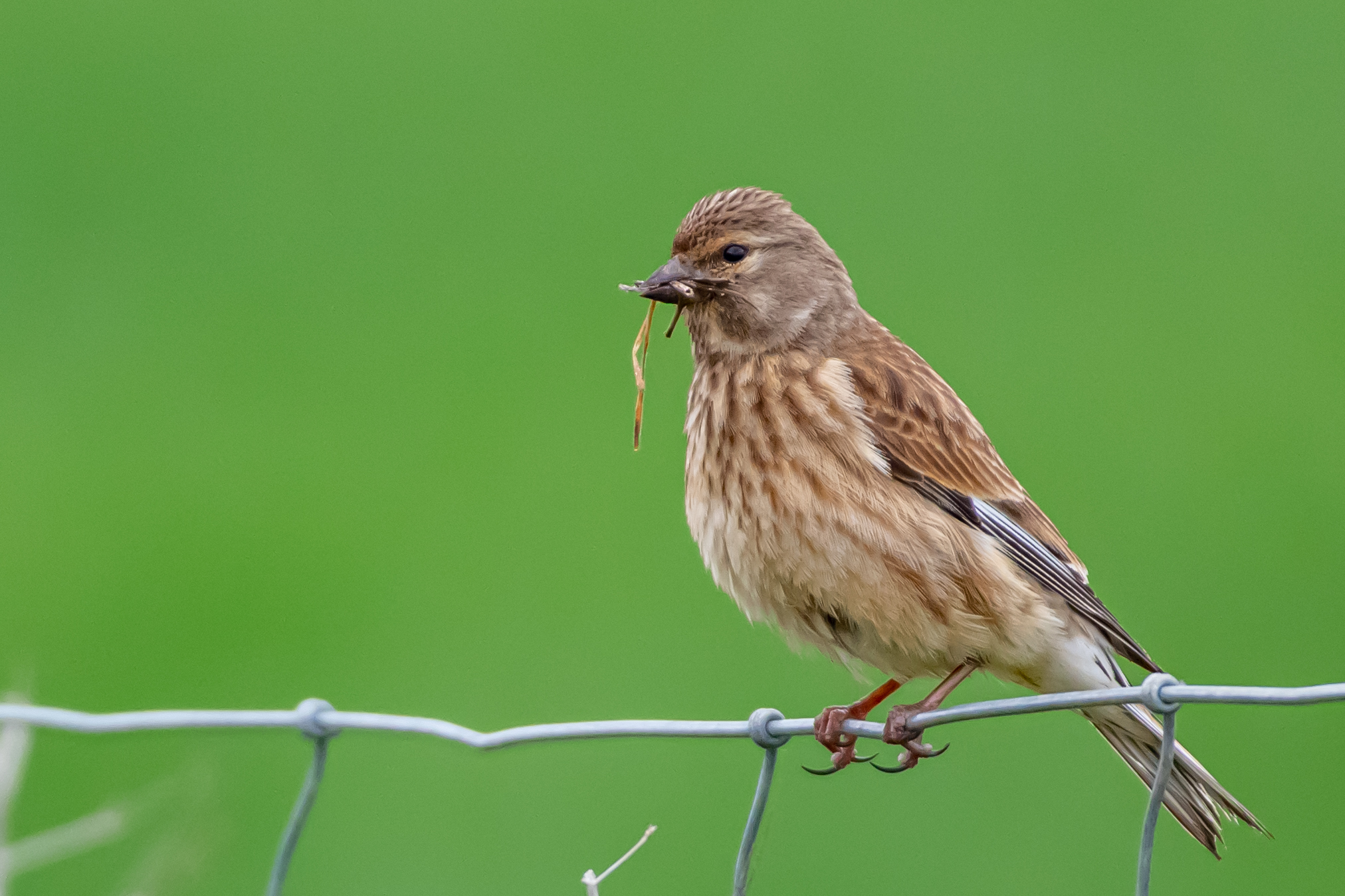
Common Linnet (Linaria cannabina) Common Linnet
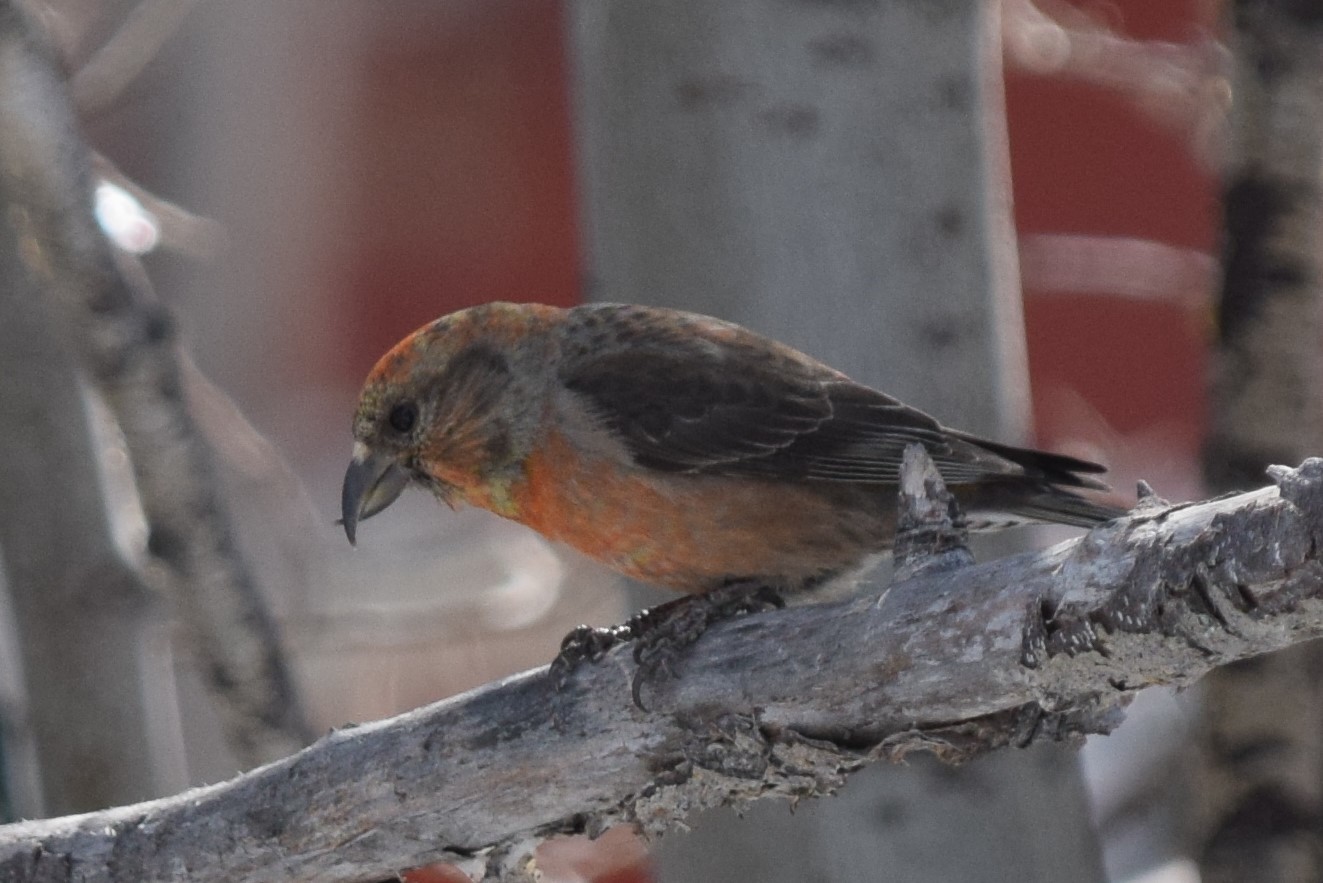
Common Crossbill (Loxia curvirostra) Common Crossbill

Media

Loading…

In short

The Common Linnet and Common Crossbill are both finches, but they differ significantly in bill structure and feeding habits. The Linnet has a slender, pointed bill suited for seeds, while the Crossbill's unique crossed bill is adapted for extracting seeds from conifer cones.

Identification tips

  1. Bill shape: Look for the Crossbill's unique crossed bill versus the Linnet's slender, pointed bill. 2. Habitat: Note the habitat; Crossbills are often in coniferous trees, Linnets in open areas. 3. Plumage: Check for the Linnet's red markings in males versus the more uniform coloration of Crossbills. 4. Behavior: Observe feeding behavior; Crossbills are often seen extracting seeds from cones, while Linnets feed on the ground.

Size

Both species are similar in size, but the Crossbill is generally more robust and stocky compared to the more slender Linnet.

Plumage

The Common Linnet typically shows a brownish back with a grey head and, in males, a distinctive red breast and forehead. The Common Crossbill, on the other hand, has a more uniform coloration with males often displaying a red or orange hue, and females a greenish or yellowish tone.

Behaviour

Common Linnets often form flocks and feed on the ground or low vegetation, while Common Crossbills are more arboreal, often seen in coniferous trees foraging for seeds.

Habitat

The Linnet is commonly found in open country, farmland, and heathland, whereas the Crossbill is typically associated with coniferous forests.

Voice

The Linnet has a pleasant, warbling song, while the Crossbill's calls are more distinctive, consisting of sharp 'jip-jip' notes.

Submit a better description

Use the same sections as the comparison. Your text is published immediately.

The Common Linnet and Common Crossbill are both finches, but they differ significantly in bill structure and feeding habits. The Linnet has a slender, pointed bill suited for seeds, while the Crossbill's unique crossed bill is adapted for extracting seeds from conifer cones.

  1. Bill shape: Look for the Crossbill's unique crossed bill versus the Linnet's slender, pointed bill. 2. Habitat: Note the habitat; Crossbills are often in coniferous trees, Linnets in open areas. 3. Plumage: Check for the Linnet's red markings in males versus the more uniform coloration of Crossbills. 4. Behavior: Observe feeding behavior; Crossbills are often seen extracting seeds from cones, while Linnets feed on the ground.

Both species are similar in size, but the Crossbill is generally more robust and stocky compared to the more slender Linnet.

The Common Linnet typically shows a brownish back with a grey head and, in males, a distinctive red breast and forehead. The Common Crossbill, on the other hand, has a more uniform coloration with males often displaying a red or orange hue, and females a greenish or yellowish tone.

Common Linnets often form flocks and feed on the ground or low vegetation, while Common Crossbills are more arboreal, often seen in coniferous trees foraging for seeds.

The Linnet is commonly found in open country, farmland, and heathland, whereas the Crossbill is typically associated with coniferous forests.

The Linnet has a pleasant, warbling song, while the Crossbill's calls are more distinctive, consisting of sharp 'jip-jip' notes.

Discard your changes?

You have unsaved edits. If you leave now, those changes will be lost.

Common Linnet · Common Crossbill · My Tricky Birds