Birdr

Common Nightingale vs Atlantic Canary

Luscinia megarhynchos versus Serinus canaria

Play a quiz with Common Nightingale and Atlantic Canary
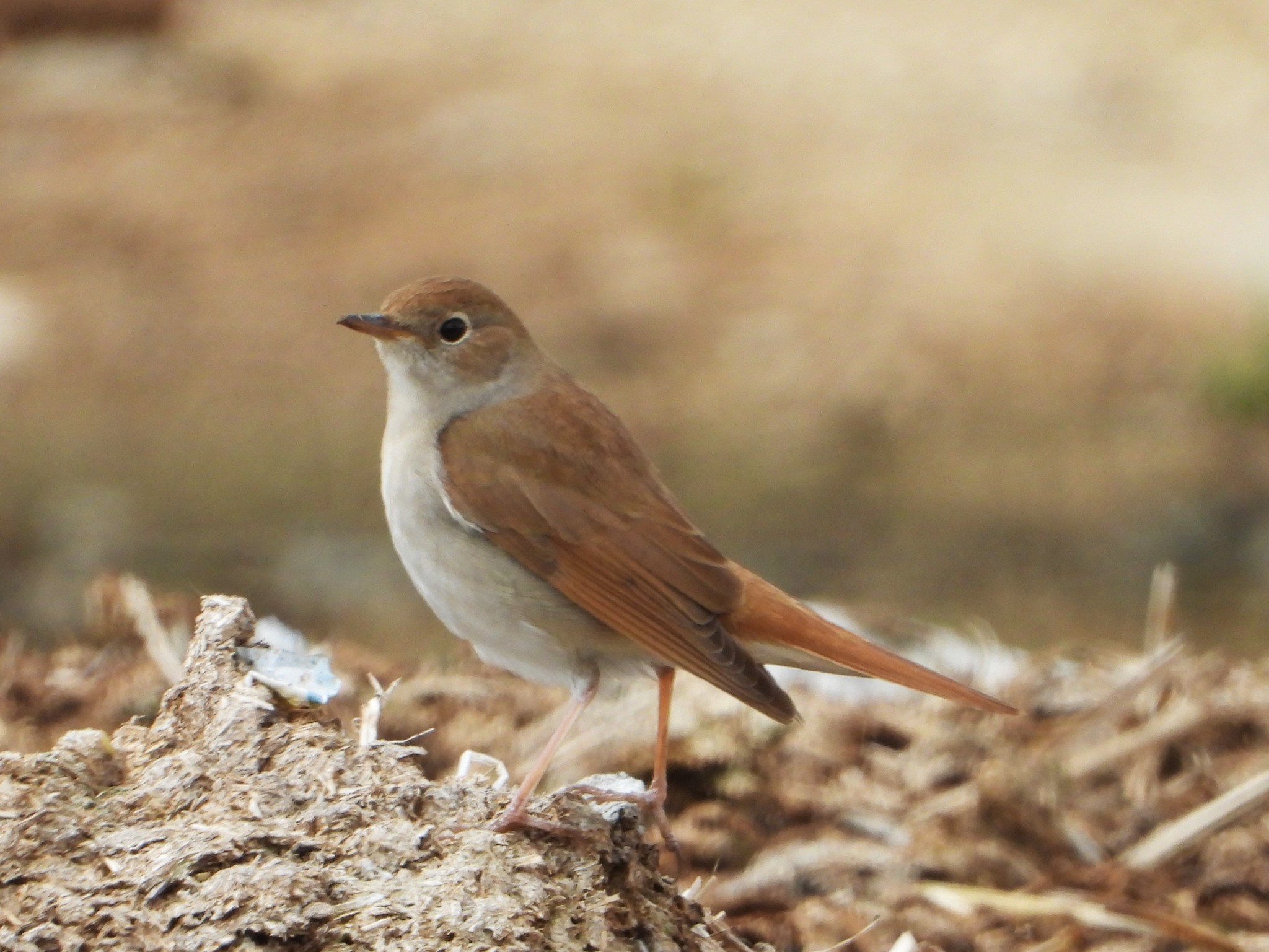
Common Nightingale (Luscinia megarhynchos) Common Nightingale
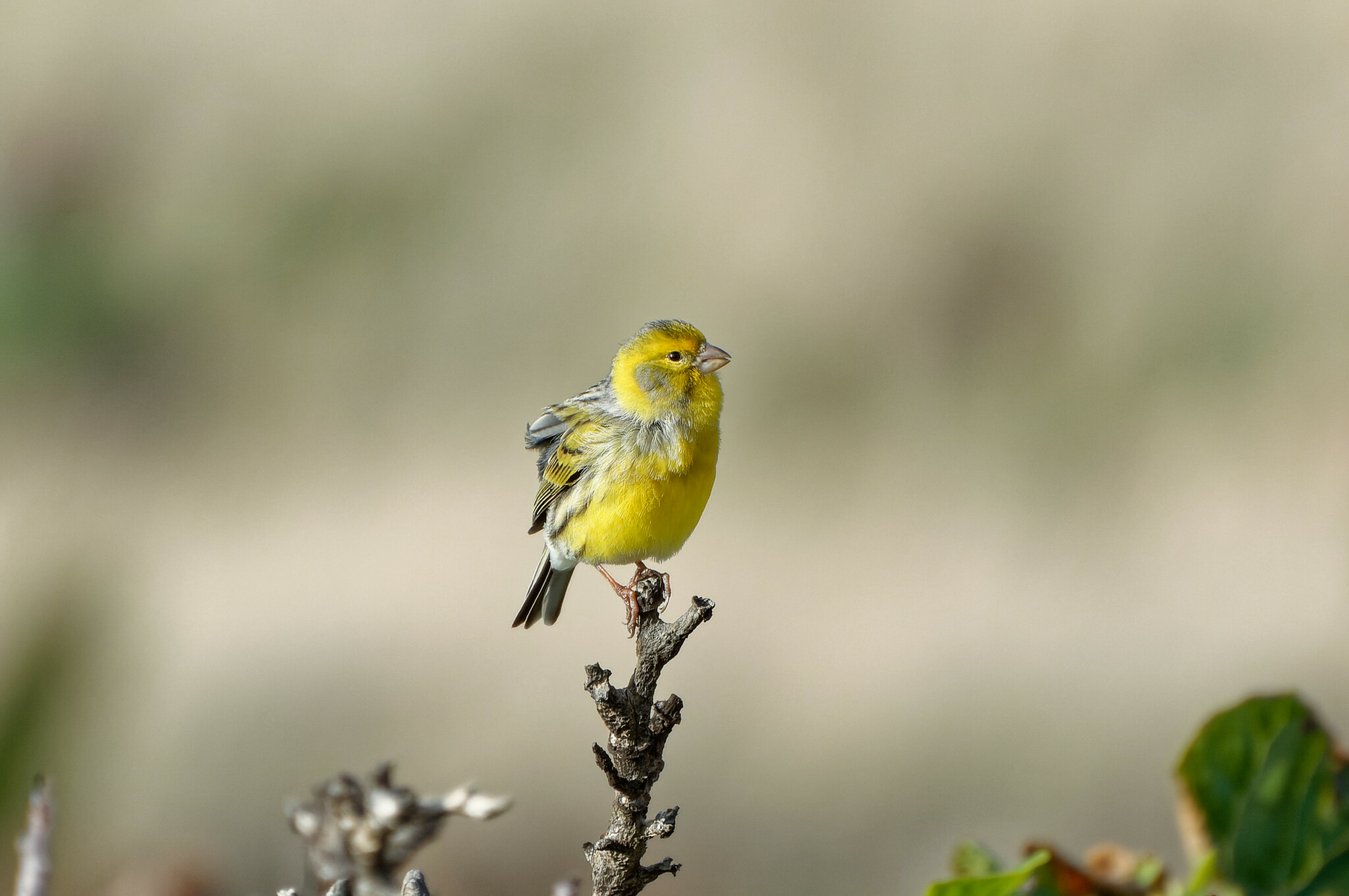
Atlantic Canary (Serinus canaria) Atlantic Canary

Media

Loading…

In short

The Common Nightingale and Atlantic Canary are easily distinguished by their size, plumage, and habitat preferences. The Nightingale is a plain brown bird often heard but seldom seen, while the Canary is a bright yellow-green bird commonly found in open areas.

Identification tips

  1. Size and Shape: Look for the larger, more robust Nightingale versus the smaller, more compact Canary. 2. Plumage: Note the Nightingale's plain brown coloration compared to the Canary's bright yellow-green. 3. Habitat: Observe the Nightingale in dense cover and the Canary in open spaces. 4. Song: Listen for the Nightingale's complex song, often at night, versus the Canary's simpler daytime song.

Size

The Common Nightingale is larger and more robust than the Atlantic Canary.

Plumage

The Nightingale has plain brown upperparts and pale underparts with a rusty brown tail, whereas the Canary is bright yellow-green with streaked upperparts.

Behaviour

Common Nightingales are secretive, often sticking to dense cover, while Atlantic Canaries are more conspicuous and social, often seen in flocks.

Habitat

Nightingales prefer dense underbrush and woodland edges, whereas Canaries are found in open areas like fields and gardens.

Voice

The Nightingale is famous for its melodious and complex song, often heard at night, while the Canary has a simpler, cheerful song.

Submit a better description

Use the same sections as the comparison. Your text is published immediately.

The Common Nightingale and Atlantic Canary are easily distinguished by their size, plumage, and habitat preferences. The Nightingale is a plain brown bird often heard but seldom seen, while the Canary is a bright yellow-green bird commonly found in open areas.

  1. Size and Shape: Look for the larger, more robust Nightingale versus the smaller, more compact Canary. 2. Plumage: Note the Nightingale's plain brown coloration compared to the Canary's bright yellow-green. 3. Habitat: Observe the Nightingale in dense cover and the Canary in open spaces. 4. Song: Listen for the Nightingale's complex song, often at night, versus the Canary's simpler daytime song.

The Common Nightingale is larger and more robust than the Atlantic Canary.

The Nightingale has plain brown upperparts and pale underparts with a rusty brown tail, whereas the Canary is bright yellow-green with streaked upperparts.

Common Nightingales are secretive, often sticking to dense cover, while Atlantic Canaries are more conspicuous and social, often seen in flocks.

Nightingales prefer dense underbrush and woodland edges, whereas Canaries are found in open areas like fields and gardens.

The Nightingale is famous for its melodious and complex song, often heard at night, while the Canary has a simpler, cheerful song.

Discard your changes?

You have unsaved edits. If you leave now, those changes will be lost.

Common Nightingale · Atlantic Canary · My Tricky Birds