Birdr

Common Pauraque vs White-faced Ibis

Nyctidromus albicollis versus Plegadis chihi

Play a quiz with Common Pauraque and White-faced Ibis
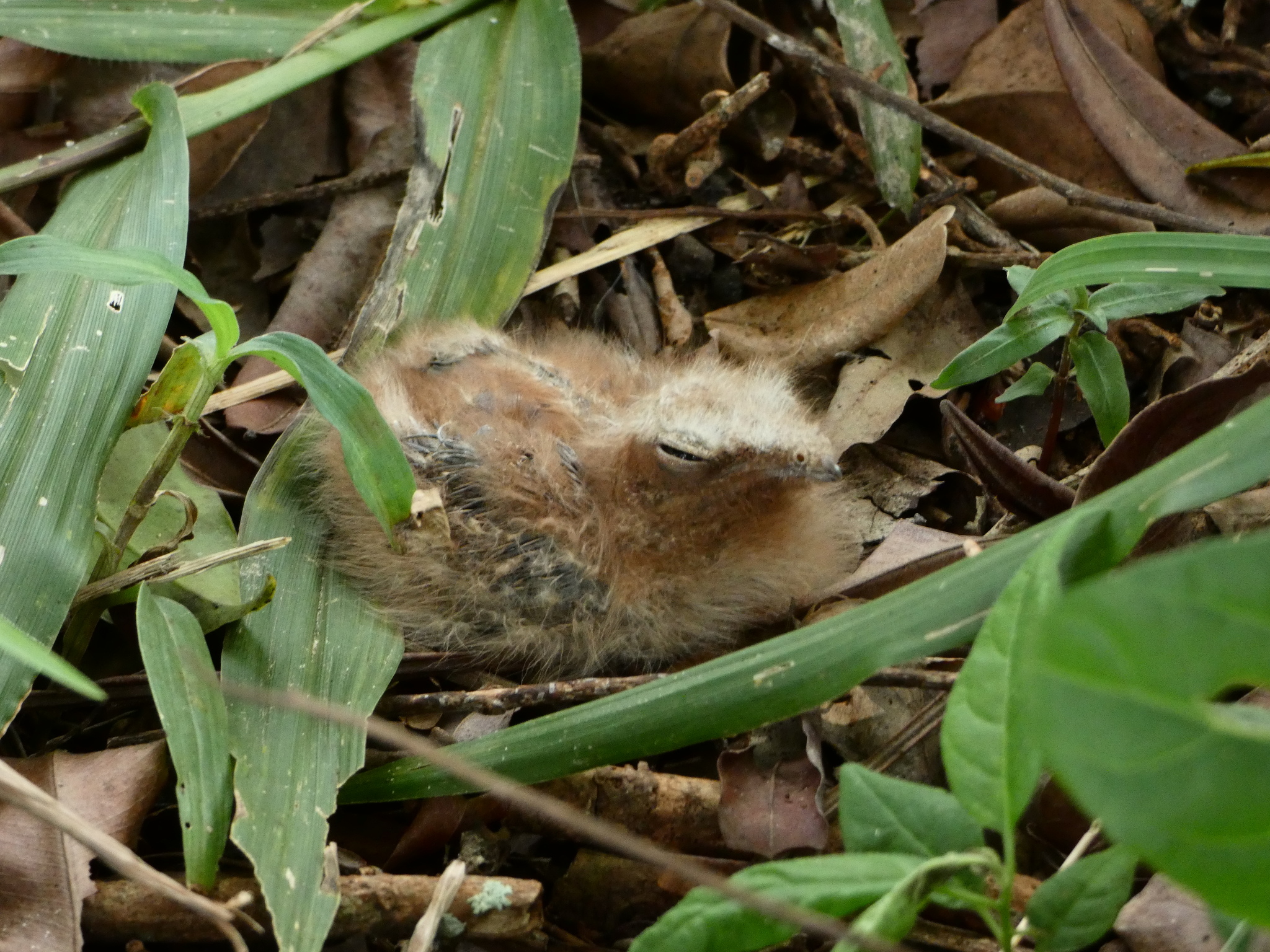
Common Pauraque (Nyctidromus albicollis) Common Pauraque
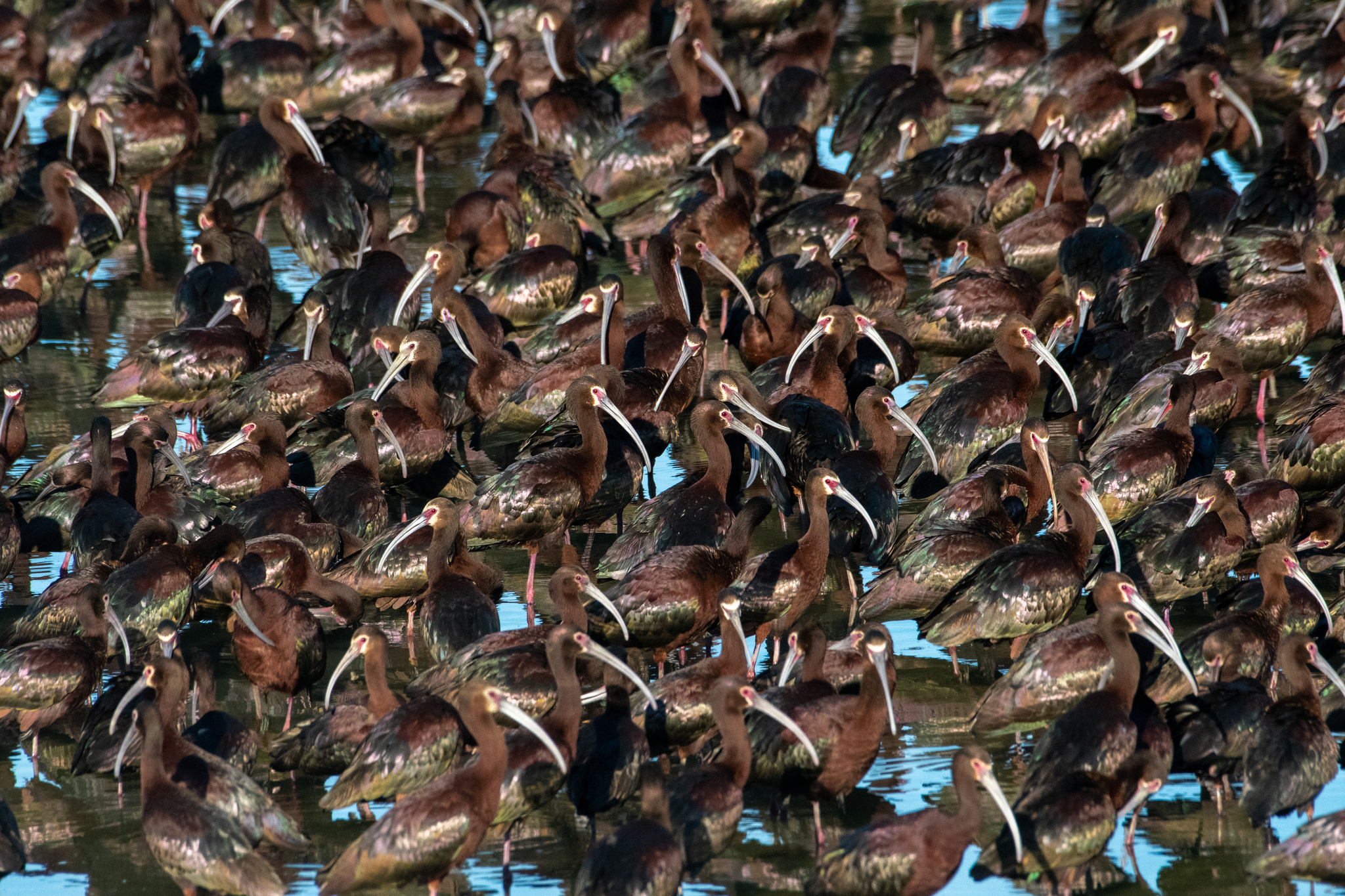
White-faced Ibis (Plegadis chihi) White-faced Ibis

Media

Loading…

In short

The Common Pauraque and White-faced Ibis are distinct in both appearance and habitat. The Pauraque is a nocturnal, ground-dwelling nightjar with intricate plumage patterns, while the Ibis is a wetland bird with a distinctive white face during breeding season. Their behaviors and habitats rarely overlap, aiding in identification.

Identification tips

  1. Habitat: Pauraques are in tropical lowlands; Ibises are in wetlands. 2. Plumage: Look for the Pauraque's intricate patterns and white bands on wings and tail. 3. Face: Breeding Ibises have a white face. 4. Behavior: Pauraques are ground-dwelling; Ibises wade in water. 5. Vocalization: Listen for the Pauraque's distinctive song.

Size

The Common Pauraque is a medium-sized nightjar, while the White-faced Ibis is a larger wader.

Plumage

The Pauraque has a complex pattern of browns, buffs, grays, and blacks with a white band across the primaries and substantial white in the tail. The Ibis, in breeding plumage, has white feathers along the edge of its facial skin and a more uniform dark body.

Behaviour

The Pauraque is crepuscular and terrestrial, foraging on the ground. The Ibis is diurnal, often seen wading in wetlands.

Habitat

Pauraques are found in tropical lowlands, while White-faced Ibises inhabit freshwater wetlands and marshes in North America.

Voice

The Pauraque's song is a distinctive 'hip-hip hip-hip hip-hip-hooray,' while the Ibis is generally silent.

Submit a better description

Use the same sections as the comparison. Your text is published immediately.

The Common Pauraque and White-faced Ibis are distinct in both appearance and habitat. The Pauraque is a nocturnal, ground-dwelling nightjar with intricate plumage patterns, while the Ibis is a wetland bird with a distinctive white face during breeding season. Their behaviors and habitats rarely overlap, aiding in identification.

  1. Habitat: Pauraques are in tropical lowlands; Ibises are in wetlands. 2. Plumage: Look for the Pauraque's intricate patterns and white bands on wings and tail. 3. Face: Breeding Ibises have a white face. 4. Behavior: Pauraques are ground-dwelling; Ibises wade in water. 5. Vocalization: Listen for the Pauraque's distinctive song.

The Common Pauraque is a medium-sized nightjar, while the White-faced Ibis is a larger wader.

The Pauraque has a complex pattern of browns, buffs, grays, and blacks with a white band across the primaries and substantial white in the tail. The Ibis, in breeding plumage, has white feathers along the edge of its facial skin and a more uniform dark body.

The Pauraque is crepuscular and terrestrial, foraging on the ground. The Ibis is diurnal, often seen wading in wetlands.

Pauraques are found in tropical lowlands, while White-faced Ibises inhabit freshwater wetlands and marshes in North America.

The Pauraque's song is a distinctive 'hip-hip hip-hip hip-hip-hooray,' while the Ibis is generally silent.

Discard your changes?

You have unsaved edits. If you leave now, those changes will be lost.

Common Pauraque · White-faced Ibis · My Tricky Birds