Birdr

Common Pochard vs Ruddy Duck

Aythya ferina versus Oxyura jamaicensis

Play a quiz with Common Pochard and Ruddy Duck
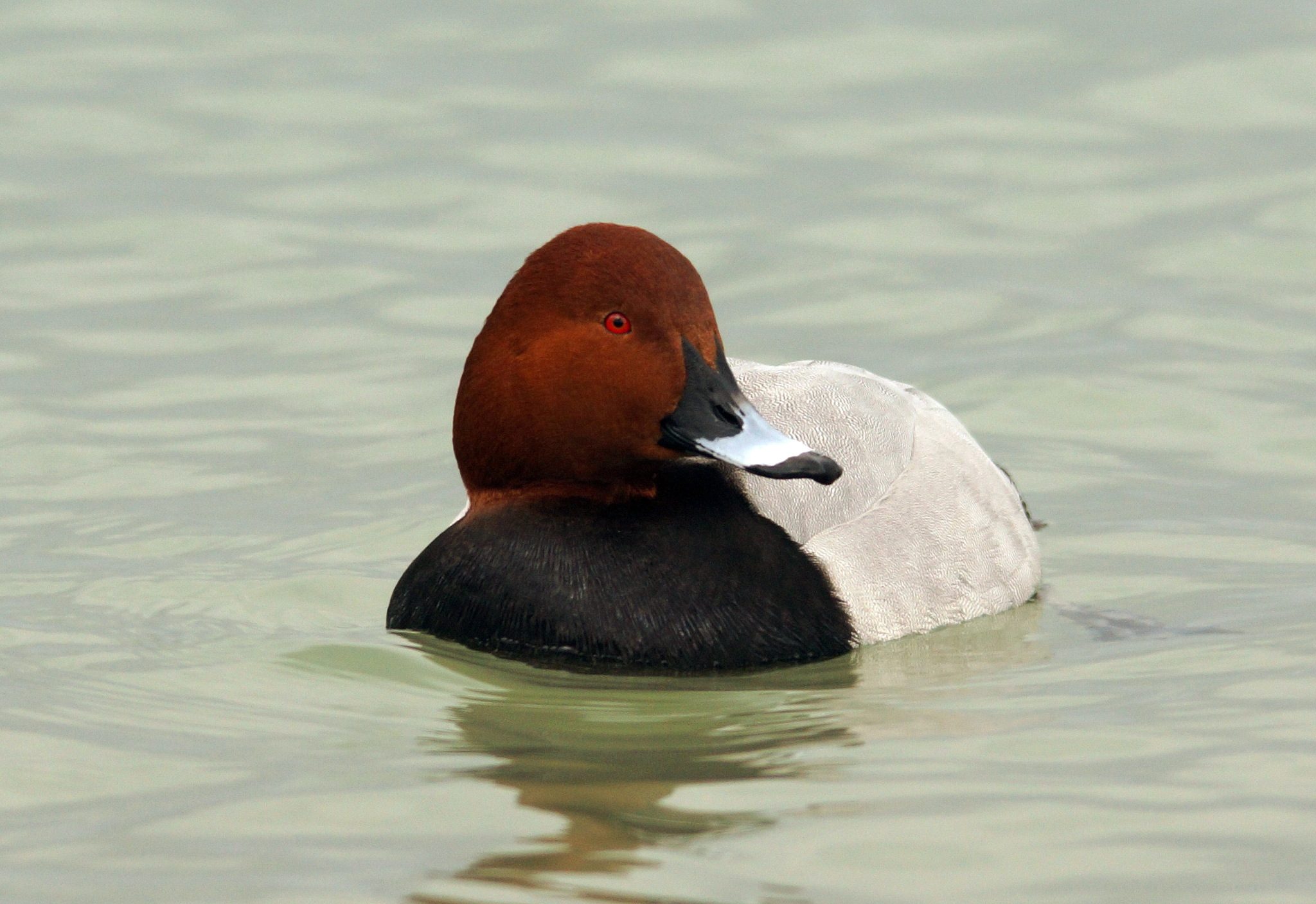
Common Pochard (Aythya ferina) Common Pochard
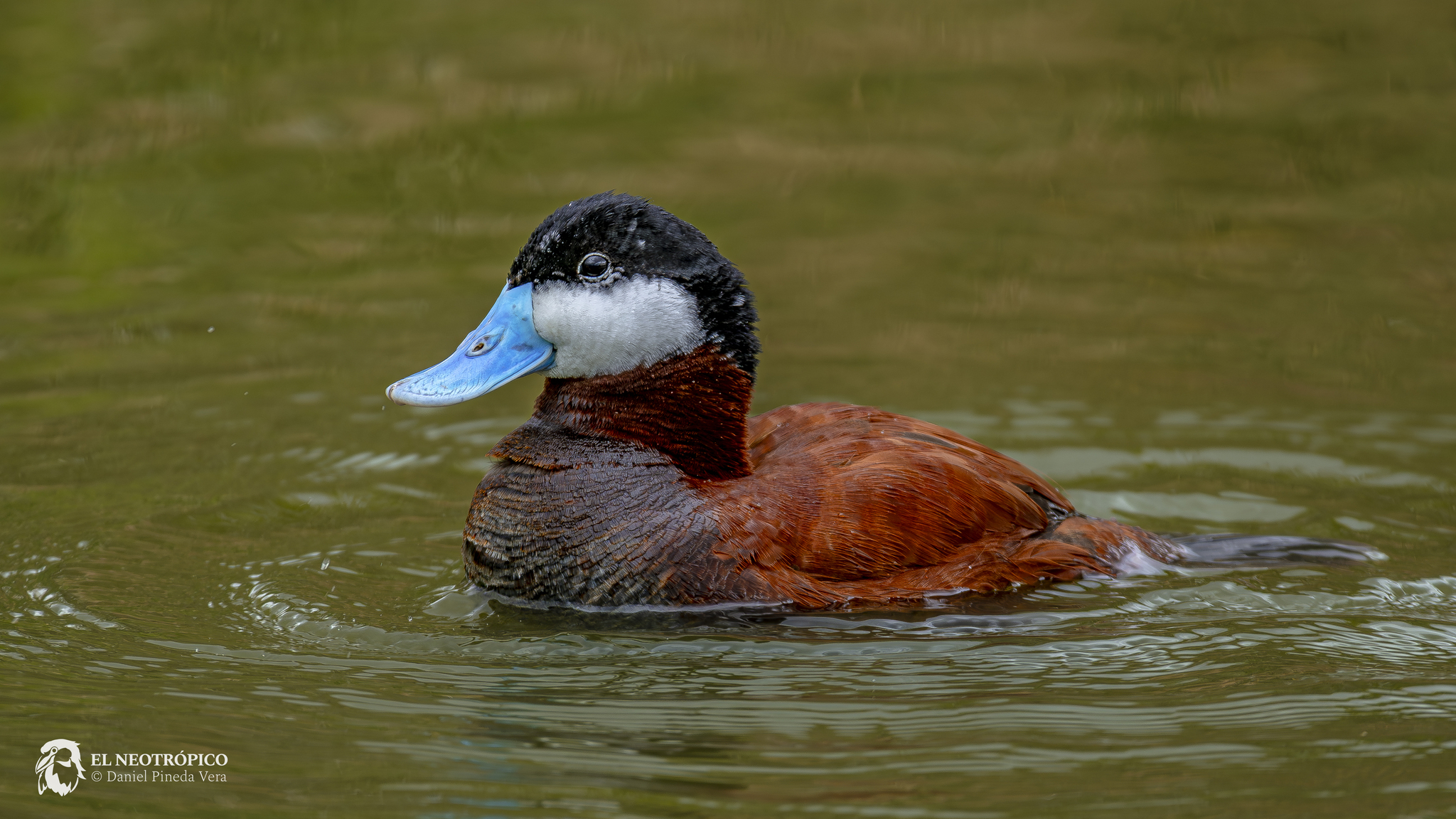
Ruddy Duck (Oxyura jamaicensis) Ruddy Duck

Media

Loading…

In short

The Common Pochard and Ruddy Duck are both diving ducks but can be distinguished by their distinct plumage and behavior. The Common Pochard has a more traditional duck appearance, while the Ruddy Duck is notable for its stiff tail and unique courtship displays.

Identification tips

1. Look for the sky-blue bill and stiff tail of the Ruddy Duck during breeding season. 2. Note the reddish-brown head of the male Common Pochard. 3. Observe behavior: Ruddy Ducks often display unique courtship rituals. 4. Consider habitat: Common Pochards are more likely in Europe and Asia, while Ruddy Ducks are found in North America.

Size

The Common Pochard is larger and more robust than the smaller, compact Ruddy Duck.

Plumage

Male Common Pochards have a distinctive reddish-brown head and gray body, while male Ruddy Ducks have a striking sky-blue bill and chestnut body during breeding season. Females of both species are more subdued, but the Ruddy Duck's females have a distinctive dark cap and cheek stripe.

Behaviour

Ruddy Ducks are known for their unique, comical courtship displays and stiff-tailed posture. Common Pochards do not exhibit such displays and have a more typical duck behavior.

Habitat

Common Pochards are found in freshwater lakes and ponds across Europe and Asia, while Ruddy Ducks are primarily found in North America, favoring prairie potholes and coastal habitats.

Voice

Vocalizations are not a primary distinguishing feature between these species, as both are relatively quiet.

Submit a better description

Use the same sections as the comparison. Your text is published immediately.

The Common Pochard and Ruddy Duck are both diving ducks but can be distinguished by their distinct plumage and behavior. The Common Pochard has a more traditional duck appearance, while the Ruddy Duck is notable for its stiff tail and unique courtship displays.

1. Look for the sky-blue bill and stiff tail of the Ruddy Duck during breeding season. 2. Note the reddish-brown head of the male Common Pochard. 3. Observe behavior: Ruddy Ducks often display unique courtship rituals. 4. Consider habitat: Common Pochards are more likely in Europe and Asia, while Ruddy Ducks are found in North America.

The Common Pochard is larger and more robust than the smaller, compact Ruddy Duck.

Male Common Pochards have a distinctive reddish-brown head and gray body, while male Ruddy Ducks have a striking sky-blue bill and chestnut body during breeding season. Females of both species are more subdued, but the Ruddy Duck's females have a distinctive dark cap and cheek stripe.

Ruddy Ducks are known for their unique, comical courtship displays and stiff-tailed posture. Common Pochards do not exhibit such displays and have a more typical duck behavior.

Common Pochards are found in freshwater lakes and ponds across Europe and Asia, while Ruddy Ducks are primarily found in North America, favoring prairie potholes and coastal habitats.

Vocalizations are not a primary distinguishing feature between these species, as both are relatively quiet.

Discard your changes?

You have unsaved edits. If you leave now, those changes will be lost.

Common Pochard · Ruddy Duck · My Tricky Birds