Birdr

Common Poorwill vs Burrowing Owl

Phalaenoptilus nuttallii versus Athene cunicularia

Play a quiz with Common Poorwill and Burrowing Owl
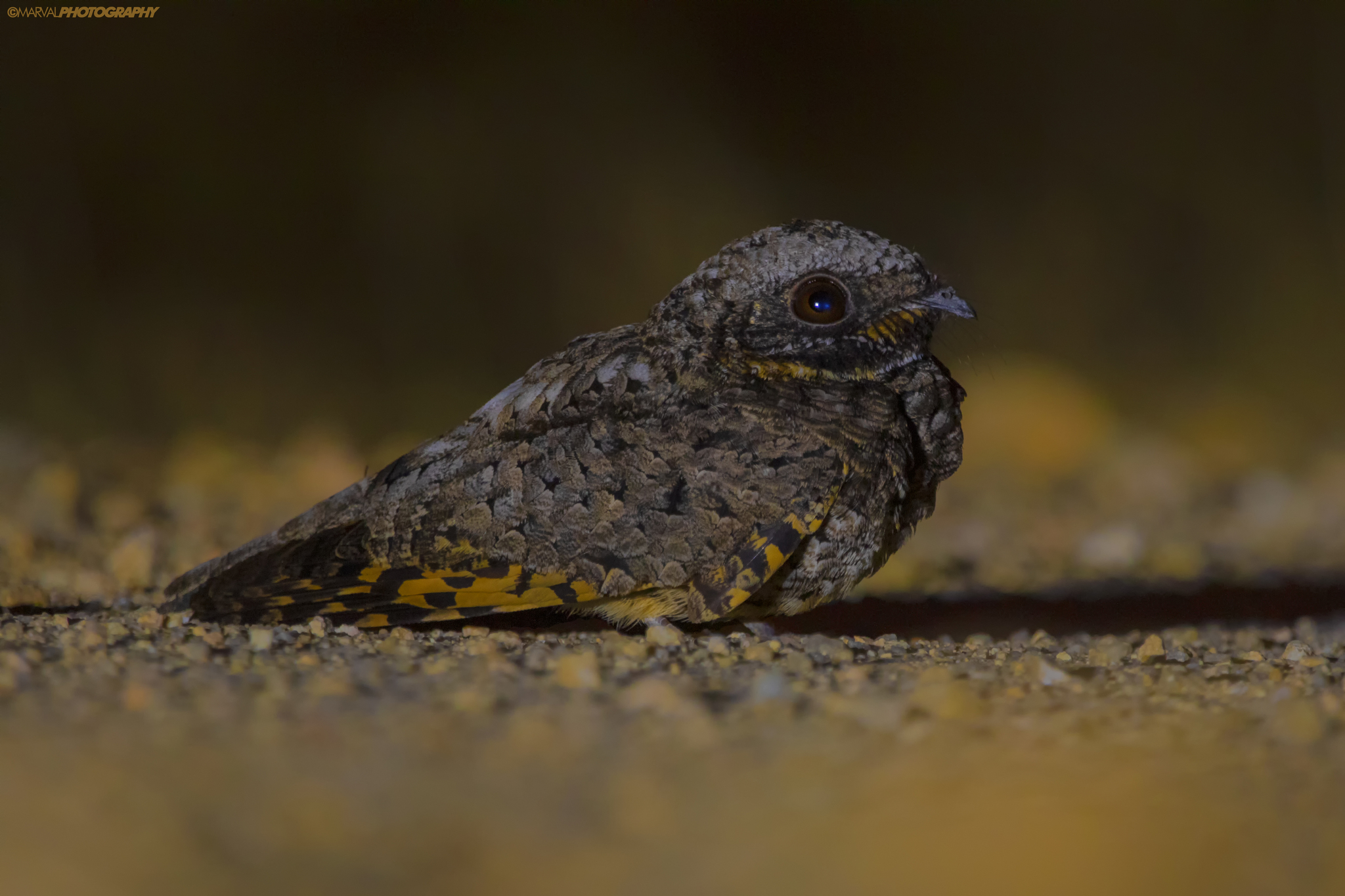
Common Poorwill (Phalaenoptilus nuttallii) Common Poorwill
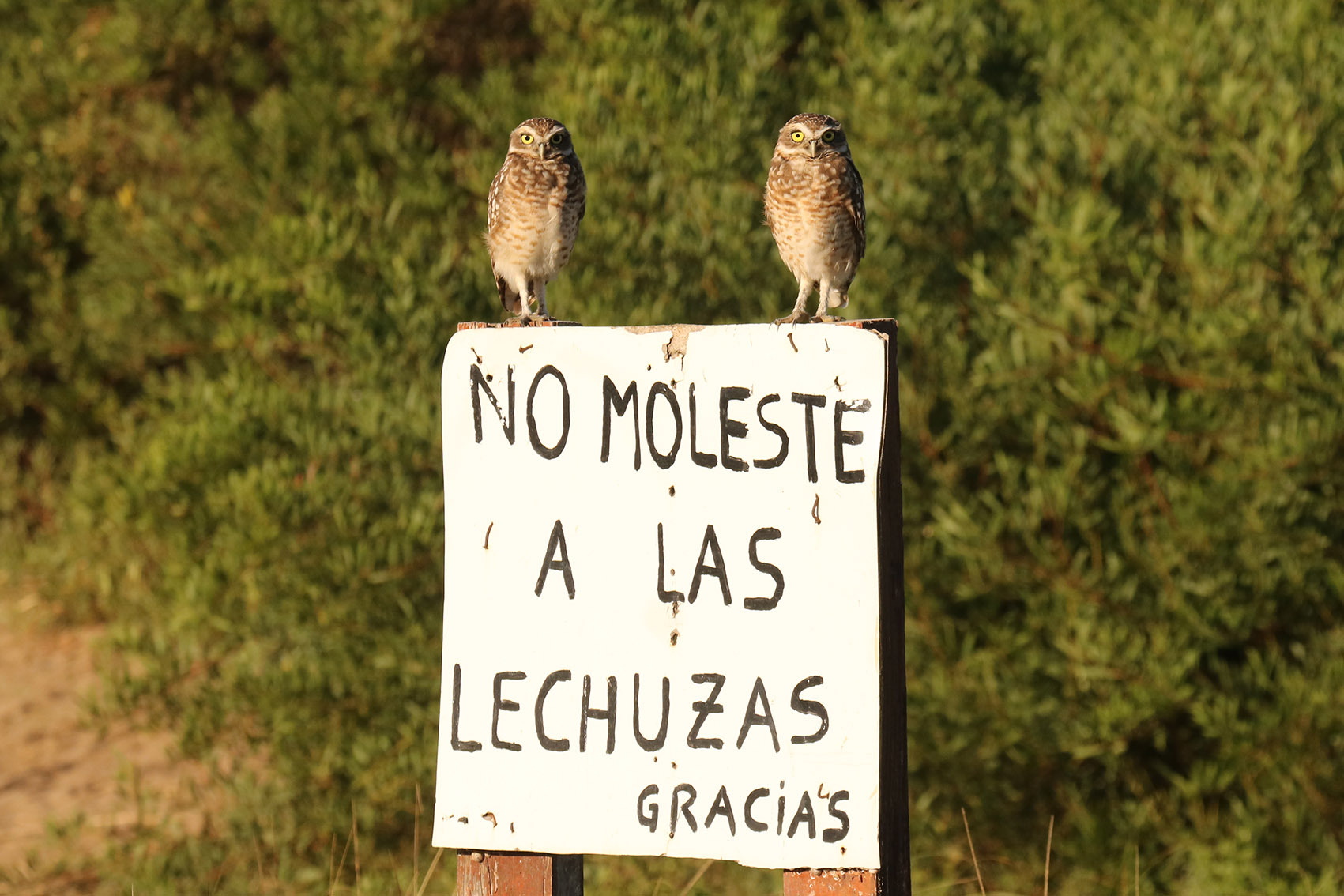
Burrowing Owl (Athene cunicularia) Burrowing Owl

Media

Loading…

In short

The Common Poorwill and the Burrowing Owl are both small, ground-dwelling birds, but they differ significantly in appearance and behavior. The Poorwill is a nocturnal nightjar with cryptic plumage, while the Burrowing Owl is a diurnal owl with distinctive markings and upright posture.

Identification tips

1. Look for the Poorwill's cryptic plumage and horizontal posture at night, often on the ground. 2. Observe the Burrowing Owl's upright stance, white facial disk, and yellow eyes during the day. 3. Listen for the Poorwill's 'poor-will' call at night versus the Burrowing Owl's 'coo-coo' notes during the day. 4. Consider habitat: Poorwills in rocky areas, Burrowing Owls in open grasslands.

Size

Both species are small, but the Burrowing Owl is slightly larger and more upright in posture compared to the more compact and horizontal stance of the Common Poorwill.

Plumage

The Common Poorwill has mottled brown and gray plumage that blends with its rocky habitat, lacking distinct facial features. In contrast, the Burrowing Owl has a more striking appearance with a white facial disk, yellow eyes, and a spotted brown and white body.

Behaviour

The Common Poorwill is nocturnal and often remains motionless during the day, relying on its camouflage. The Burrowing Owl is diurnal, often seen standing on the ground or perching on low posts, and is more active during daylight.

Habitat

Common Poorwills inhabit semi-arid prairies and rocky foothills, while Burrowing Owls prefer open grasslands and deserts, often near burrows or other ground cavities.

Voice

The Common Poorwill has a distinctive, repetitive 'poor-will' call heard at night. The Burrowing Owl's call is a series of short, high-pitched 'coo-coo' notes, often heard during the day.

Submit a better description

Use the same sections as the comparison. Your text is published immediately.

The Common Poorwill and the Burrowing Owl are both small, ground-dwelling birds, but they differ significantly in appearance and behavior. The Poorwill is a nocturnal nightjar with cryptic plumage, while the Burrowing Owl is a diurnal owl with distinctive markings and upright posture.

1. Look for the Poorwill's cryptic plumage and horizontal posture at night, often on the ground. 2. Observe the Burrowing Owl's upright stance, white facial disk, and yellow eyes during the day. 3. Listen for the Poorwill's 'poor-will' call at night versus the Burrowing Owl's 'coo-coo' notes during the day. 4. Consider habitat: Poorwills in rocky areas, Burrowing Owls in open grasslands.

Both species are small, but the Burrowing Owl is slightly larger and more upright in posture compared to the more compact and horizontal stance of the Common Poorwill.

The Common Poorwill has mottled brown and gray plumage that blends with its rocky habitat, lacking distinct facial features. In contrast, the Burrowing Owl has a more striking appearance with a white facial disk, yellow eyes, and a spotted brown and white body.

The Common Poorwill is nocturnal and often remains motionless during the day, relying on its camouflage. The Burrowing Owl is diurnal, often seen standing on the ground or perching on low posts, and is more active during daylight.

Common Poorwills inhabit semi-arid prairies and rocky foothills, while Burrowing Owls prefer open grasslands and deserts, often near burrows or other ground cavities.

The Common Poorwill has a distinctive, repetitive 'poor-will' call heard at night. The Burrowing Owl's call is a series of short, high-pitched 'coo-coo' notes, often heard during the day.

Discard your changes?

You have unsaved edits. If you leave now, those changes will be lost.

Common Poorwill · Burrowing Owl · My Tricky Birds